Short Answer
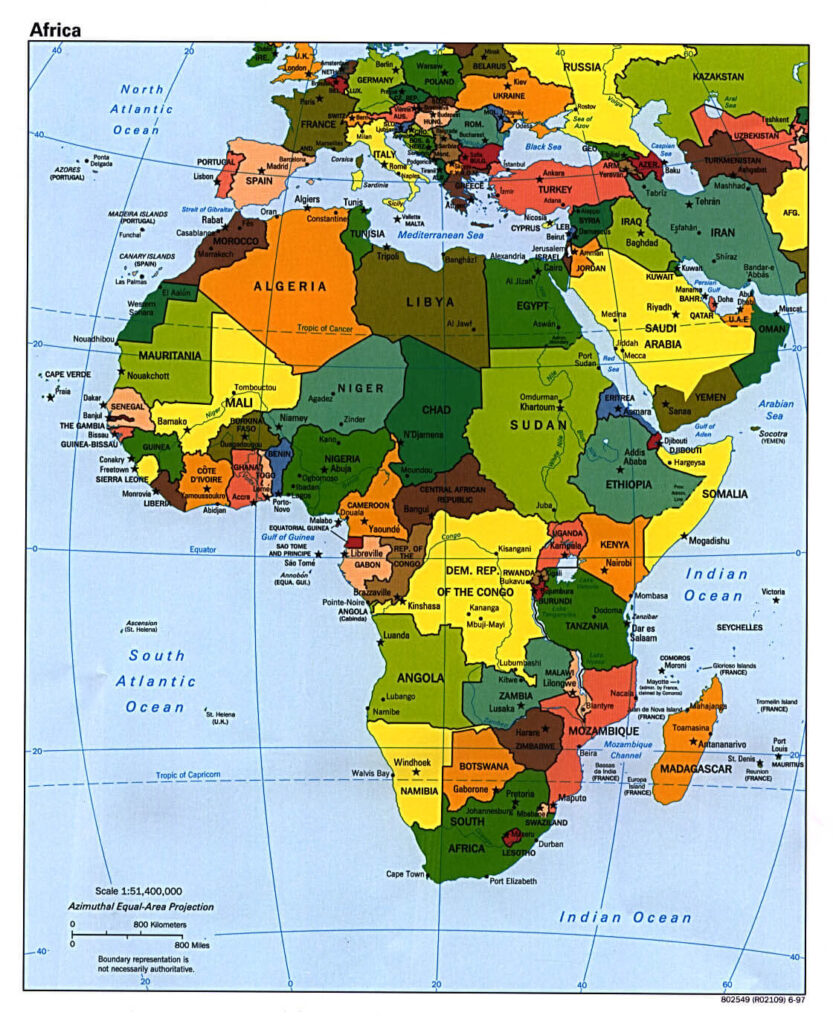
Africa, often referred to as the “Cradle of Life,” is an incredibly rich tapestry of history, culture, and biodiversity. It stands as the continent where humanity first emerged, and its vast landscapes are home to the dawn of civilization. This article will explore the intricate and multifaceted aspects of Africa, delving into its ancient lineages, cultural heritage, and the contemporary significance that shapes its identity today.
The Birthplace of Humanity
Archaeological and genetic evidence indicates that Homo sapiens originated in East Africa approximately 200,000 to 300,000 years ago. The Olduvai Gorge in Tanzania, considered one of the most important paleoanthropological sites, provides invaluable insights into early human evolution. The fossilized remains and artifacts unearthed here reveal the cognitive and social capabilities of early hominins, showcasing their rudimentary tool-making skills and communal living practices. This period, often dubbed the “Stone Age,” marks a crucial juncture in human history, laying the groundwork for future advancements.
The Rise of Civilizations
As millennia progressed, Africa witnessed the emergence of remarkable civilizations. Notable among these is Ancient Egypt, situated along the banks of the Nile River. The Egyptians developed an intricate society characterized by advances in writing, architecture, and governance. The construction of monumental pyramids, sophisticated agricultural techniques, and a complex system of social stratification epitomized their ingenuity. Similarly, the Kingdom of Kush to the south also flourished, contributing to the rich tapestry of African history through its own distinct achievements.
Further to the west, the Kingdom of Mali rose to prominence in the 13th century. With its extensive trade networks, it became a hub of commerce, culture, and intellectual achievement. The legendary city of Timbuktu emerged as a center for scholarly pursuit, attracting theologians and philosophers from far and wide. This period highlights the significance of trade routes, not only as conduits of goods but also as vessels of knowledge and cultural exchange.
Diverse Cultures and Linguistic Heritage
Africa’s cultural mosaic is as vast as its geographic landscape. With over 3,000 ethnic groups and more than 2,000 languages spoken, the continent embodies an extraordinary diversity. From the vibrant Maasai of East Africa, known for their distinctive beadwork and warrior traditions, to the intricate mask-making ceremonies of the Baule in Ivory Coast, each culture possesses unique customs and beliefs that contribute to the collective African identity.
Linguistically, Africa is a wonderland. The Afro-Asiatic, Nilo-Saharan, Niger-Congo, and Khoisan language families encompass a stunning array of dialects, reflecting the continent’s complex history. Language serves not only as a medium of communication but also as a vessel for cultural narratives, oral traditions, and historical records that encapsulate the essence of African societies.
Natural Ecosystems and Biodiversity
Africa’s geographical diversity is mirrored in its ecosystems, ranging from the arid Sahara Desert to the lush rainforests of the Congo Basin. This ecological variety sustains an astonishing array of flora and fauna, giving rise to some of the world’s most iconic species, such as elephants, lions, and rhinoceroses. These ecosystems, however, are not merely backdrops; they are integral to the livelihoods of millions of people who depend on them for food, shelter, and cultural significance.
Conservation efforts on the continent play a crucial role in preserving this biodiversity. Initiatives aimed at protecting endangered species and their habitats are paramount, especially considering the encroaching threats of climate change and habitat loss. The balance between human development and environmental preservation remains a pressing challenge that necessitates informed and sustainable approaches.
Modern Africa: A Continent in Transformation
In recent decades, Africa has emerged as a dynamic entity on the global stage. Nations such as Nigeria, Kenya, and South Africa are not only economically significant but also burgeoning centers of innovation and technology. The rise of mobile technology in Africa has revolutionized communication and commerce, allowing for unprecedented connectivity and economic opportunities. Artists, entrepreneurs, and activists are redefining the continent’s narrative, asserting a new identity that celebrates both heritage and modernity.
However, Africa faces an array of challenges, including political instability, socioeconomic inequalities, and health crises. The COVID-19 pandemic, for instance, has exacerbated existing vulnerabilities, necessitating coordinated responses both within and outside of the continent. Efforts to enhance resilience, foster inclusivity, and promote sustainable development are critical for Africa’s trajectory moving forward.
Conclusion: The Legacy of Africa
Africa, the cradle of life and civilization, continues to captivate the imagination and inspire inquiry. Its history is profound, its cultures are diverse, and its landscapes are breathtaking. As we reflect on the continent’s legacy, it is essential to acknowledge both its past and its present. The ongoing journey towards self-identity, empowerment, and unity is a testament to the resilience of its peoples. Africa will undoubtedly continue to play a pivotal role in the historical narrative of humanity and the future of our interconnected world.



Leave a Reply