Short Answer
Overview
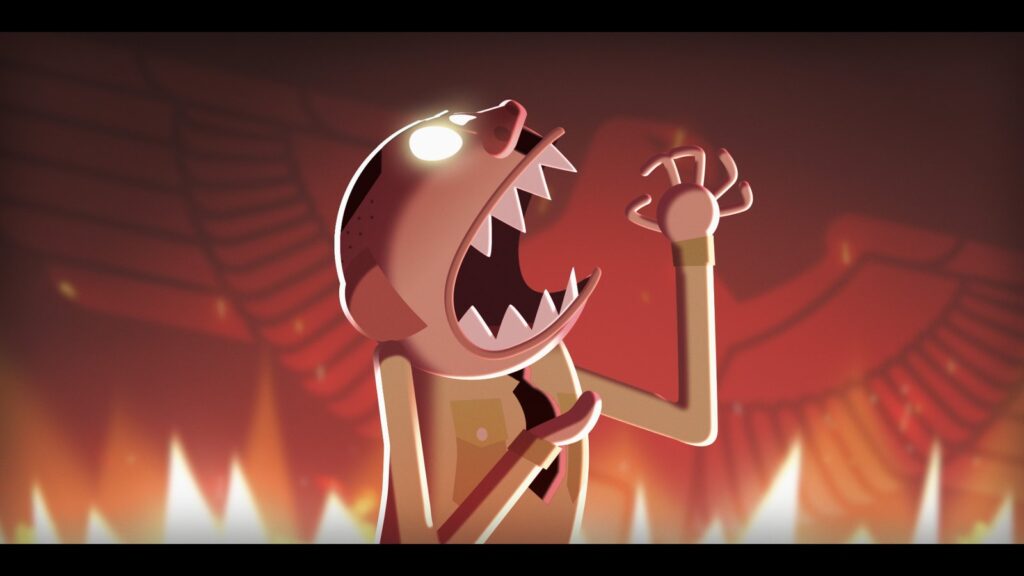
“Alternate Histories” is an episode from the animated anthology series Love Death & Robots, which presents speculative and often surreal narratives across a variety of genres including science fiction, fantasy, horror, and dark comedy. This particular episode explores the concept of alternate history through a satirical and imaginative lens. It envisions multiple hypothetical scenarios revolving around the assassination attempts on Adolf Hitler, demonstrating how small changes could drastically alter historical outcomes. The episode combines dark humor with speculative fiction to challenge conventional perspectives on historical events and their fragility.
History / Background
Love Death & Robots is a Netflix anthology series created by Tim Miller and David Fincher that debuted in 2019. The series is known for its diverse animation styles and mature, thought-provoking content. “Alternate Histories” is one of the early episodes in the first volume, directed by Tim Miller and produced by Blur Studio. It stands out for its experimental narrative structure and use of humor to address serious subject matter. The episode leverages the popular alternate history subgenre, which has roots in speculative fiction literature dating back to the early 20th century, where authors imagine “what if” scenarios that diverge from actual historical events.
Importance and Impact
“Alternate Histories” contributes to the cultural conversation about how history is interpreted and remembered. By using animation and a humorous approach, the episode makes the complex concept of alternate history accessible to a wider audience. It reflects on the unpredictability of historical outcomes and the role of chance in shaping the modern world. The episode also underscores the ethical and philosophical considerations involved in imagining alternate pasts, especially when dealing with figures like Hitler. Within the broader context of Love Death & Robots, it exemplifies the series’ commitment to pushing the boundaries of animated storytelling and blending genres to provoke thought and discussion.
Why It Matters
The episode’s exploration of alternate history is relevant for contemporary viewers as it encourages critical thinking about the nature of historical causality and the consequences of individual actions. It highlights how history is not a fixed narrative but a construct influenced by perspective and interpretation. For students, historians, and fans of speculative fiction, “Alternate Histories” serves as an engaging visual case study on the impact of divergent historical paths. Moreover, it prompts reflection on the moral complexities of revisiting and reimagining traumatic historical events through entertainment media.
Common Misconceptions
“Alternate Histories” is a documentary or factual recount of historical events.
The episode is a work of speculative fiction and satire that imagines hypothetical outcomes rather than presenting factual history.
The episode promotes or trivializes the actions of Adolf Hitler.
The episode uses dark humor and speculative scenarios to critique and explore the impact of Hitler’s actions, not to endorse or diminish their severity.
Alternate history narratives always present realistic and plausible scenarios.
Many alternate history works, including this episode, intentionally exaggerate or surrealize possibilities to provoke thought or entertain, rather than strictly adhere to plausible historical divergence.
FAQ
What is the premise of the 'Alternate Histories' episode in Love Death & Robots?
The episode imagines multiple hypothetical scenarios involving different assassination attempts on Adolf Hitler, exploring how these alternate events could have changed history through dark humor and speculative storytelling.
Is 'Alternate Histories' based on real historical events?
While the episode references real historical figures and events, it is a work of speculative fiction and satire, not a factual recount or documentary.
Why does the episode use humor to depict serious historical topics?
The use of dark humor serves to challenge viewers’ perceptions and make complex, potentially uncomfortable topics more approachable, encouraging reflection on the nature of history and its interpretation.
Leave a Reply