Short Answer
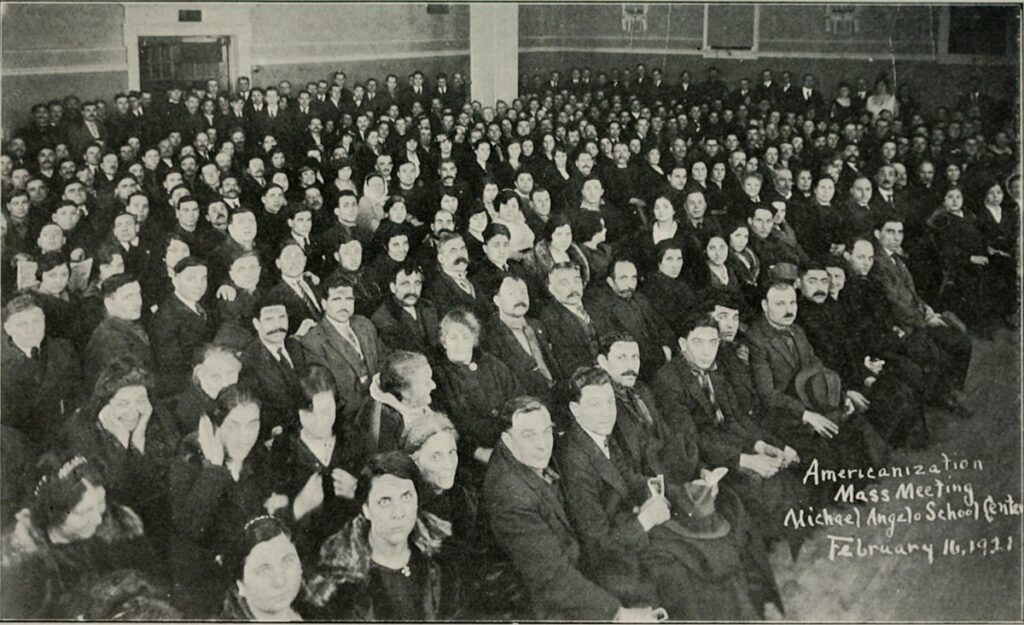
Cultural spaces have played an integral and multifaceted role in shaping the immigrant experience in the United States. From the earliest waves of migration to contemporary times, various groups have been pivotal in fostering environments that welcome newcomers, thereby enhancing the country’s rich societal tapestry. This article examines the dynamics of these cultural spaces and explores the groups responsible for the reception of immigrants throughout American history.
One of the most prominent groups in this dialogue is the religious community, particularly churches and synagogues. Religious organizations have historically offered sanctuary and support to immigrants, facilitating not only spiritual nourishment but also material assistance. By providing food, shelter, and legal aid, these institutions have acted as lifelines for those navigating the challenges of adaptation. The Catholic Church, with its extensive network in urban centers, exemplifies the historical commitment to immigrant communities, demonstrating a tradition of social equity and inclusion. Alongside Catholicism, various Protestant denominations and Jewish synagogues have engaged in efforts to welcome immigrant populations, emphasizing a biblical mandate for compassion.
Another significant player in the realm of immigrant reception is the labor movement. Labor unions have often been at the forefront of advocating for workers’ rights, and their efforts have included organizing immigrant labor. In the early 20th century, waves of newcomers seeking economic opportunity found solidarity within union halls. These spaces became venues for cultural exchange and empowerment, providing immigrants with the tools to navigate the complex environment of industrial America. Notably, groups such as the United Farm Workers advocated for the rights of immigrant agricultural laborers, creating a host of cultural and educational programs aimed at providing training and resources vital for organizational participation.
Moreover, mutual aid societies emerged as vital cultural spaces for immigrants. These grassroots organizations were established by specific ethnic communities—such as the German, Italian, and Irish immigrants—who came together in the face of shared experiences and challenges. Mutual aid societies were built upon a foundation of social interconnectedness, where members pooled resources to support one another in times of need. These societies not only helped mitigate economic hardships but also played a crucial role in preserving cultural identities, language, and traditions. They organized festivities, cultural events, and educational initiatives that allowed immigrants to flourish and maintain their rich heritages while integrating into American society.
Family networks further emphasize the importance of cultural spaces in facilitating immigrant reception. The familial connections of immigrants often serve as the first points of contact in a new country. They create microcosms of support within which language is passed down, cultural practices are maintained, and traditions are upheld. Through communal gatherings and familial ties, immigrants engage in cultural resilience, effectively fueling a sense of belonging within a largely unfamiliar landscape. These family units become cultural spaces where stories are shared, and collective memories are forged, thereby crystallizing the immigrant experience for future generations.
The educational system has also acted as a cultural compass for immigrants. Schools serve not only as venues for acquiring knowledge but also as essential cultural spaces that facilitate integration. Bilingual programs and multicultural curricula can enhance the educational experiences of immigrant children, allowing them to maintain their linguistic identities while assimilating into a new society. Educational institutions offer opportunities for cultural exchange, promoting understanding and acceptance across diverse communities. In instances where the educational environment fosters inclusivity and celebrates cultural diversity, immigrant children can thrive, and their families can feel a sense of reassurance and community.
In addition to traditional institutions, modern cultural organizations have emerged to meet the needs of increasingly diverse populations. Nonprofit organizations dedicated to immigration advocacy, cultural diversity, and social justice serve as modern-day cultural spaces that welcome immigrants into the fabric of American life. Initiatives aimed at fostering community engagement, providing legal resources, and promoting artistic expression cultivate environments that honor and celebrate immigrant narratives. Through festivals, art exhibitions, and cultural exchange programs, these organizations not only highlight the contributions of immigrants but also foster a broader understanding of the nuanced mosaic of American identity.
The stunning interplay of cultural spaces that welcome immigrants reveals a deeper societal fascination with the dynamics of inclusion and acceptance. The success that immigrant communities have often experienced in the United States can be attributed in part to the array of support systems in place—each contributing to a complex fabric of hospitality and compassion. These groups have worked tirelessly, often in the face of adversity, to provide a framework through which newcomers can navigate their new realities while cherishing their cultural roots.
As America continues to grapple with the discourse surrounding immigration, the historical legacy of those who have opened their arms to newcomers serves as a poignant reminder of the potential for community and collective growth. Cultural spaces that welcome immigrants do not merely connect individuals; they create intertwining narratives that enrich the entire society. These spaces facilitate the ongoing dialogue between tradition and innovation and prop up the notion that diverse cultural identities are not merely tolerated but are essential threads woven into the very fabric of American life.
In conclusion, the welcoming nature of various groups, ranging from religious institutions to labor unions, family networks, and modern cultural organizations, illustrates the diverse landscape of cultural spaces in America. As these entities continue to evolve, the potential for fostering an inclusive society that celebrates its multifaceted heritage remains ever vibrant, offering hope and promise for future generations of immigrants.
FAQ
What are cultural spaces in the context of immigrant reception?
Cultural spaces are environments and institutions where immigrants find support, community, and resources to help them adapt while preserving their cultural identity.
How have mutual aid societies helped immigrant communities?
Mutual aid societies provided economic assistance, social connectedness, and cultural preservation through events and educational initiatives specific to ethnic communities.
What role do educational institutions play for immigrant integration?
Schools offer bilingual programs and multicultural curricula that support immigrant children in maintaining their language and culture while integrating into American society.




Leave a Reply