Short Answer
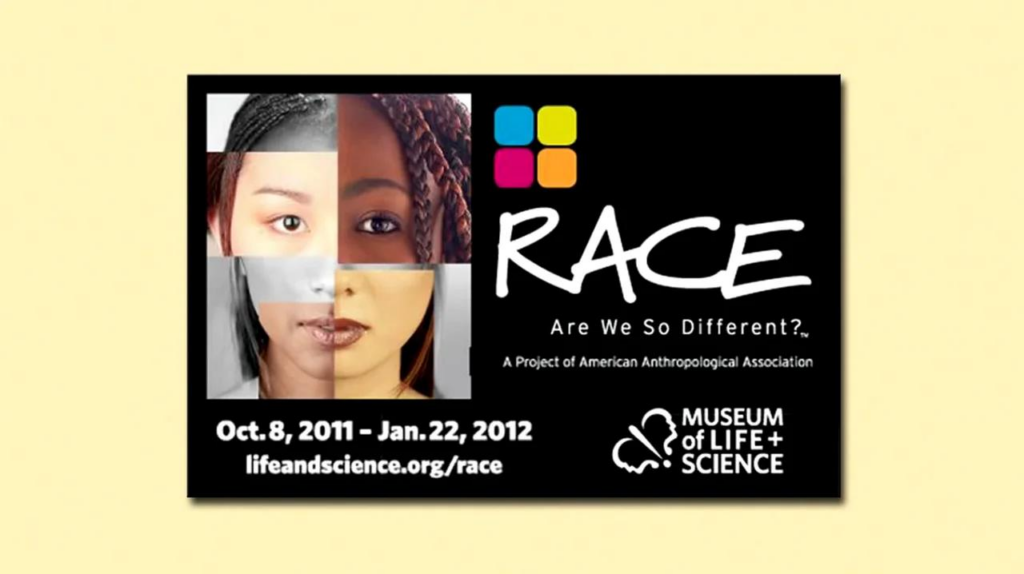
The concept of race has lingered in the sociocultural and historical fabric of humanity for centuries. Despite the overwhelming consensus among biologists and anthropologists that race lacks a biological basis, the implications of racial categorization continue to permeate various aspects of society. This dissonance prompts an inquiry: if race is not rooted in biology, why does it continue to hold significance? This exploration traverses the realms of social constructs, systemic inequality, cultural identity, and psychological impact—highlighting the complexities of race and its pervasive influence on contemporary human interactions.
To appreciate the significance of race in society today, it is crucial to disentangle the constructs of biology and sociology. Biological essentialism—the idea that certain characteristics and behaviors can be traced directly to genetic makeup—has been thoroughly dismantled. Genetic diversity within so-called racial groups often surpasses the variations observed between groups. Thus, the biological argument for race is tenuous at best. However, this does not preclude the existence of race as a powerful social construct. The social dimension of race is steeped in historical contexts, where racial categories were utilized to enforce hierarchies, segregate communities, and rationalize colonial endeavors.
Understanding the historical underpinnings of race reveals the mechanisms through which it has been imbued with significance. The advent of the transatlantic slave trade marked a pivotal moment in racial consciousness, crystallizing notions of superiority and inferiority. Racial identity became synonymous with power dynamics, economic control, and cultural hegemony. Narratives woven into the fabric of societies often perpetuate racial disparities, embedding them into the institutional structures and policies that govern social interaction. These historical narratives maintain a societal adhesion to race, despite the biological arguments indicating its fallacy.
The relevance of race manifests palpably within systems of inequality. From healthcare disparities to educational access and inequitable law enforcement practices, race continues to dictate life outcomes for many individuals. The notion of systemic racism embodies the deep-seated practices that cause disadvantage along racial lines. Indeed, contemporary discussions around racial justice and equity underscore an acknowledgment that the legacy of historical injustices remains alive and affects generations. This context imbues race with immediate importance, influencing societal norms and individual experiences.
Moreover, the cultural identity associated with race warrants significant consideration. Racial identities serve as vessels for cultural expressions, communal experiences, and shared histories. For marginalized racial groups, the conviction of a shared identity fosters resilience and solidarity in the face of discrimination. As individuals navigate their economic, educational, and social landscapes, the affinity for a cultural heritage instills a sense of belongingness. Consequently, race becomes not just a matter of prejudice or societal stratification but also a fundamental aspect of individual and group identity.
Exploring the psychological dimension provides yet another layer of understanding. Racial identity can profoundly influence self-esteem, perceived self-worth, and personal agency. Research indicates that individuals who embrace their racial identity may derive a sense of empowerment and purpose from it, even in contexts marked by systemic disadvantage. Yet, exposure to negative stereotypes and prejudice may engender internalized racism, affecting mental health and wellbeing. The intersectionality of race with socioeconomic status and gender exacerbates these psychological ramifications, accentuating the necessity for nuanced discussions surrounding mental health within racial groups.
Likewise, the collective memory of injustices—historical and ongoing—fuels a narrative that shapes present realities. Movements for racial equity, social justice, and reparative justice are manifestations of the desire to rectify historical wrongs. The urgency of these missions speaks not only to a wish for acknowledgment but also to a broader demand for equity and inclusivity in societal structures. This collective consciousness underscores the perennial relevance of race; it serves as a fulcrum upon which societal change can pivot.
Additionally, the globalization of culture in the twenty-first century has complicated the relationship between race and identity. Interactions across diverse populations challenge rigid categorizations of race, fostering hybrid cultural expressions. However, it has simultaneously exposed how racial prejudices transcend borders, manifesting in various forms across different contexts. As societies negotiate these complexities, the relevance of racial constructs remains inextricably linked to both historical contexts and contemporary realities.
In conclusion, the question of why race continues to matter, despite its lack of biological foundation, necessitates an appreciation of the multifaceted interplay between history, culture, systemic structures, and identity. Social constructs, imbued with historical context, have real-world implications that shape societal experience. The continued urgency of addressing racial issues and disparities underscores the profundity of race as an indelible aspect of human society. Thus, the significance of race transcends biological arguments, delving into the deeper recesses of collective human experience. While biology may tell one story, the enduring relevance of race is intricately woven into the fabric of social existence, demanding reflection, understanding, and change.
FAQ
Why is race considered a social construct?
Race is considered a social construct because it lacks a biological basis and is instead shaped by historical, cultural, and social contexts that assign meaning and significance to perceived differences.
How does systemic inequality relate to race?
Systemic inequality relates to race as racial categorizations have historically been used to create and maintain unequal access to resources, opportunities, and rights in areas such as healthcare, education, and law enforcement.
What role does racial identity play in individual and group experiences?
Racial identity serves as a source of cultural expression, resilience, and solidarity, shaping personal agency, self-esteem, and a sense of belonging within communities.
How does the history of race influence its current significance?
Historical events such as the transatlantic slave trade and colonialism embedded racial hierarchies and power dynamics into social institutions, which continue to affect contemporary societal structures and attitudes.
Can race impact psychological wellbeing?
Yes, racial identity can influence psychological wellbeing positively by providing empowerment, but negative stereotypes and discrimination may lead to internalized racism and mental health challenges.




Leave a Reply