Short Answer
What if we peered through the thick veil of time and glimpsed the flourishing civilizations that once inhabited the vast expanses of North America? Imagine exploring the remnants of societies that, while overshadowed by their more widely recognized contemporaries, exhibited remarkable cultural sophistication and complexity. This inquiry prompts an essential reflection on a largely overlooked narrative: the lost ancient civilizations of North America. To fully appreciate these societies, an exhaustive examination of their unique characteristics, accomplishments, and eventual decline is imperative.
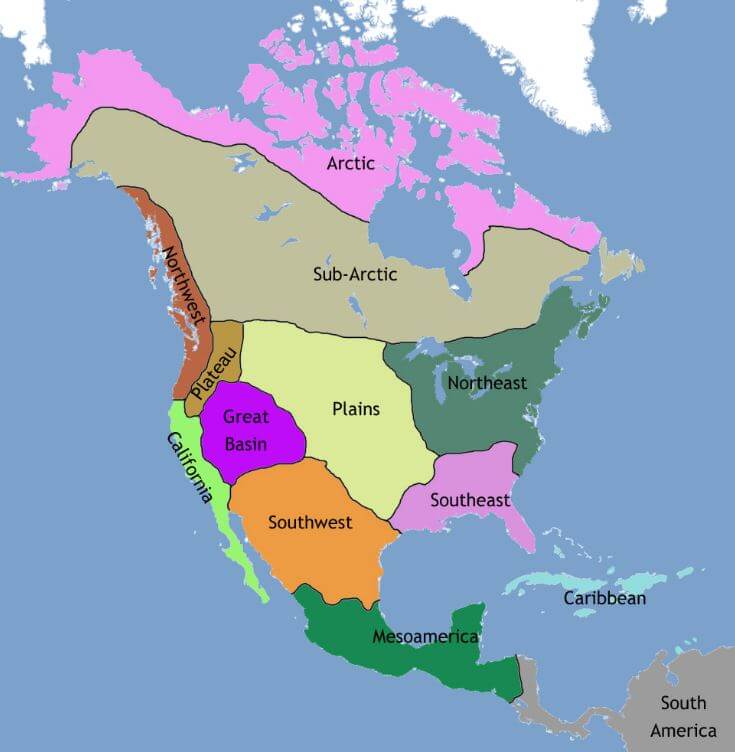
The narrative of North America’s ancient civilizations is a fragmented tapestry woven from various tribes, cultures, and settlements. From the enigmatic Mound Builders of the Midwest to the intricate societies of the Southwest such as the Ancestral Puebloans, the evidence reveals a diverse and rich cultural landscape. Each civilization offers a distinct contribution to the overarching history of human development on the continent, yet many remain shrouded in mystery.
One might ponder the question: what drove these societies to flourish, and what subsequently led to their decline? The exploration of these civilizations invites us to traverse beyond the superficial understanding of Native American history and to delve into the broader anthropological significance of their existence. Let us embark on a chronological journey through some of the most notable ancient civilizations in North America, examining their exceptional attributes and contributions to human history.
**The Mound Builders**
Beginning in the Midwest, the Mound Builders stand as a testament to the architectural ingenuity of ancient North American societies. Flourishing from approximately 300 BCE to 1500 CE, various groups such as the Adena, Hopewell, and Mississippian constructed monumental earthworks across the region, with mounds serving both ceremonial and functional purposes. These structures varied in size and complexity, ranging from simple burial mounds to sprawling geometrical formations, such as Cahokia, which was once the largest urban center north of Mexico.
Remarkably, the Mound Builders engaged in extensive trade networks, with artifacts found as far afield as the Gulf Coast and the Great Lakes. Their advanced agricultural practices and social stratification suggest a society that was not merely surviving but thriving, thus refuting the colonial presumption of ‘primitive’ indigenous peoples. However, this vibrant civilization eventually declined, attributed largely to environmental changes, resource depletion, and perhaps internal strife.
**The Ancestral Puebloans**
Shifting westward, we encounter the Ancestral Puebloans, formerly known as the Anasazi, who inhabited the Four Corners region from around 100 CE until the late 13th century. Renowned for their impressive architecture, they constructed cliff dwellings and multi-storied pueblos utilizing adobe, demonstrating an extraordinary adaptability to their arid environment. A close examination of their communal structures reveals a sophisticated understanding of social cohesion and collective resource management, essential for surviving in a challenging landscape.
Their intricate pottery and textiles reflect not only functional artistry but also profound spiritual beliefs. The kivas—a type of underground ceremonial structure—illustrate a rich cultural life imbued with rituals that reinforced community bonds. However, by the late 13th century, dramatic climatic shifts, notably prolonged droughts, precipitated a mass migration, leading to the abandonment of their magnificent cliff dwellings. What remains of their legacy, however, is a lasting testament to human resilience and adaptability in the face of adversity.
**The Mississippian Culture**
Comprising a significant portion of the southeastern United States, the Mississippian culture (circa 800-1600 CE) exemplifies a complex society characterized by its agricultural economy and hierarchical political structures. Cahokia, located near present-day St. Louis, stands as the epitome of Mississippian achievements, with an estimated population of 20,000 at its zenith. The city was marked by its iconic mounds—particularly Monk’s Mound, one of the largest earthen structures in the Americas—used for ceremonial and elite purposes.
Trade networks flourished while the Mississippians developed intricate artistic traditions evident in their pottery, jewelry, and shell-tempered wares. The flourishing social organization that facilitated their successes—along with the tumultuous interactions with European explorers and settlers—ultimately contributed to their disintegration. Historical accounts point to warfare, disease, and European colonization as factors leading to the erosion of Mississippian society.
**Conclusion: Rediscovering a Tapestry of History**
As we reflect on these ancient civilizations, we are awakened to the glaring truths of a lost American history often relegated to shadows. Each civilization mentioned here serves as a poignant reminder of the sophisticated social, political, and economic structures established well before European contact. Yet, the exploration does not stop with their decline. The challenge before us is to not only rekindle our fascination with these lost civilizations but to actively engage in discourse surrounding their legacy and contributions to the rich tapestry of human existence.
In attempting to trace the pathways of these remarkable cultures, we are invited to confront our understanding of history itself. Can we reconcile the fragmented narratives of the past with a cohesive story that honors the resilient spirits of these civilizations? The remnants of their existence are not mere relics of a distant past but vibrant chapters waiting to be unearthed and celebrated. Engaging with this narrative paves the way for a deeper appreciation of the land and its enduring human relationships, ultimately fostering a more inclusive historical perspective.
FAQ
What defines the Mound Builders culture?
The Mound Builders refer to groups like the Adena, Hopewell, and Mississippian cultures known for constructing large ceremonial and burial mounds across the Midwest.
Why are the Ancestral Puebloans significant?
They are noted for their remarkable cliff dwellings and pueblos in the Four Corners region, showcasing advanced architecture and social organization.
What led to the collapse of the Mississippian culture?
Factors include warfare, disease, and pressures from European colonization, which disrupted their social and political structures.
How do these ancient civilizations impact modern understanding of North American history?
They reveal complex societies with rich cultural legacies predating European contact, challenging earlier simplistic views and enriching historical narratives.




Leave a Reply