
Short Answer
In recent years, advancements in ancient DNA research have begun to illuminate the complexities of human migration patterns across the globe. The unearthing of novel genetic data, specifically related to the hunter-gatherers residing near the Bering Land Bridge—an ancient connection between Asia and North America—offers a profound insight into the demographic and cultural tapestry of prehistoric populations. This article delves into the implications of these findings, prompting a reevaluation of established paradigms in anthropology.
To appreciate the significance of this discovery, one must first comprehend the geographical and temporal context. The Bering Land Bridge, or Beringia, was an expansive corridor that emerged during periods of glacial maximum, allowing flora and fauna, in addition to human populations, to traverse between continents. This land expanse was not merely a bridge; it represented a viable habitat, replete with resources essential for survival. The introduction of genetic data has unveiled the existence of a distinct group of hunter-gatherers who thrived in this region, challenging previously held conceptions of migration and settlement in the Americas.
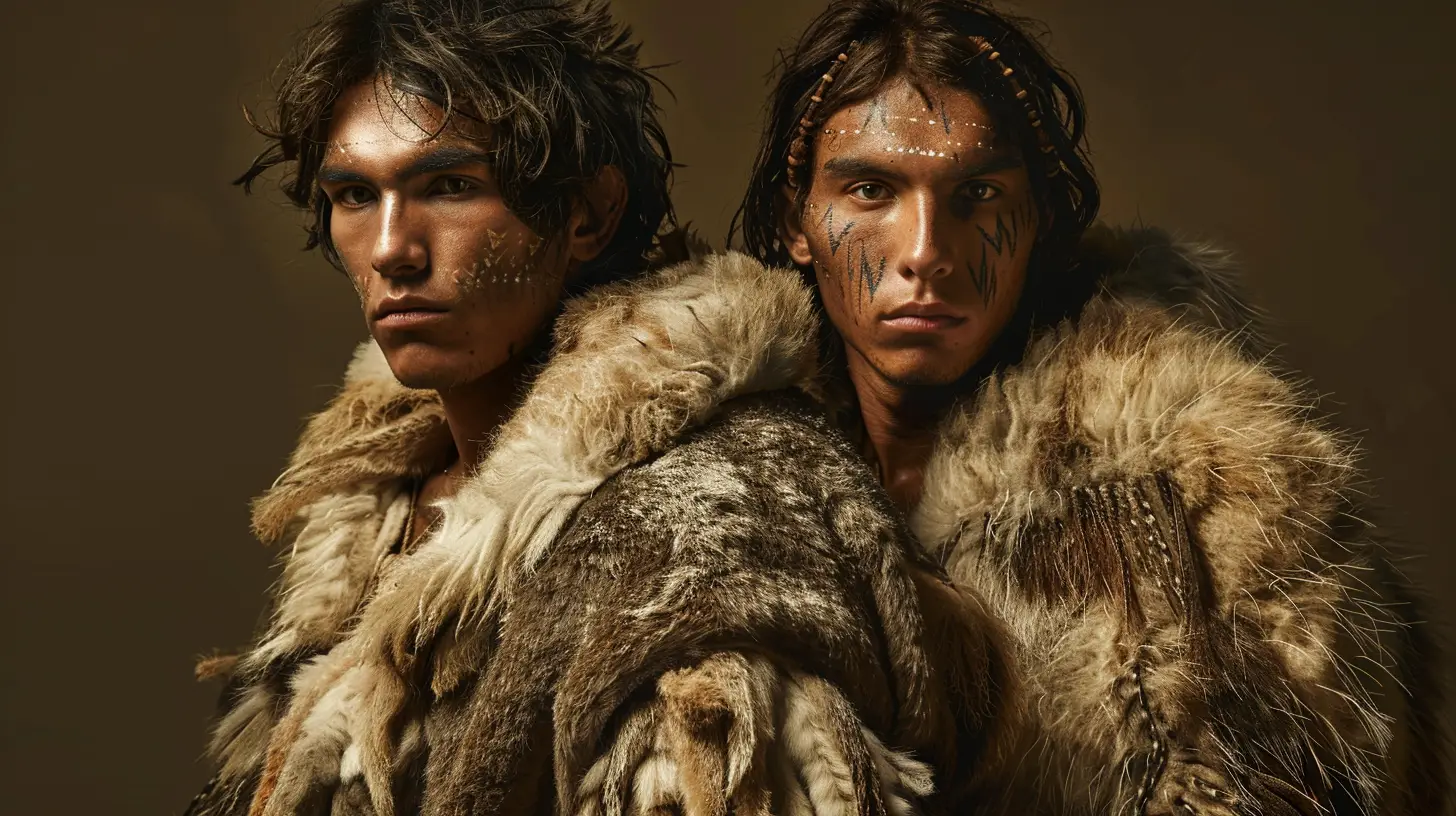
This revelation raises critical questions: Who were these enigmatic groups, and what characterized their way of life? Genetic analyses indicate that these hunter-gatherers exhibited a unique genetic signature, distinguishing them from contemporaneous populations. Skeletal remains and archaeological artifacts unearthed in this region suggest a lifestyle predicated on foraging and mobility, consistent with other hunter-gatherer societies worldwide.
The dietary practices of these peoples were necessarily diverse, relying heavily on the ecosystem around them. Evidence points to a subsistence strategy that incorporated marine resources, game hunting, and the collection of wild plants. Such a multifaceted approach not only ensured nutritional adequacy but also underscored a profound understanding of environmental cycles and resource management. This complexity indicates a sophisticated knowledge system, nurtured over generations, reflecting their intricate relationship with nature.
A further inquiry into the cultural dimensions of these communities reveals fascinating aspects of social organization and interaction. The genetic data emerging from the research hints at a possible matrilineal structure, as certain lineages appear to be traced predominantly through female ancestors. This gender dynamic could significantly reshape our interpretation of social hierarchies and community kinship in ancient hunter-gatherer societies.
These findings have incited a fervor in the academic community. Scholars are now reevaluating previous dichotomies between sedentary agriculturalists and nomadic hunter-gatherers. The information unveiled by the recent studies suggests a fluidity in lifestyle choices that may have existed long before the advent of agriculture. Mobilities were likely not only dictated by ecological pressures but were also influenced by socio-political factors, including alliances formed through marriage and resource sharing among groups.
The implications do not stop at mere lifestyle reconceptualization; they extend into the realms of language evolution and cultural transmission. The genetic markers identified provide tantalizing clues about the languages spoken by these early inhabitants. Research suggests that language diversity may have been fostered through isolated groups, which reinforced unique dialects and linguistic constructs reflective of their distinct experiences and environments.
Furthermore, the advent of new methodologies in genetics promises to deepen our understanding of human adaptability and resilience. The study of these hunter-gatherers near the Americas’ Land Bridge challenges the rigid categories often imposed upon prehistoric societies. It invites scholars to consider a continuum of adaptability that is not limited to fixed lifestyles but allows for innovations and changes in response to unpredictable climates and social upheavals.
As the narrative of human ancestry continues to evolve, it is imperative to note the ethical considerations surrounding the study of ancient DNA. The complexity of identity and cultural heritage must remain at the forefront of these discussions. Modern descendants of these hunter-gatherers—often Indigenous populations—hold vital connections to their ancestral histories. The interpretation of genetic data must respect this heritage and engage with contemporary communities to foster a reciprocal relationship between science and societal identity.
Looking forward, the integration of interdisciplinary approaches, combining archaeology, genetics, and anthropology, may be the key to unraveling further mysteries surrounding ancient populations. The legacy of the hunter-gatherers near the Americas’ Land Bridge signifies more than a mere footnote in history; it represents a repository of knowledge that could reshape our understanding of human behavior, migration, and adaptation over millennia.
In conclusion, the unveiling of this new group of hunter-gatherers through ancient DNA analysis invites a transformative perspective on the human past. It urges scholars and enthusiasts alike to reconsider the narratives we hold about our ancestors, their movements, and their interactions with the environment. This novel understanding not only piques curiosity but also enriches the broader discourse on human diversity and resilience, suggesting that the themes of adaptation and survival resonate deeply through our collective history. As more discoveries emerge, what revelations remain hidden, waiting to shape our understanding of what it means to be human?
FAQ
Who were the hunter-gatherers near the Americas' Land Bridge?
They were prehistoric nomadic populations with distinct genetic markers who lived in the Beringia region, relying on foraging and hunting.
What role did the Bering Land Bridge play in human history?
It acted as a migration corridor connecting Asia and North America during ice ages, enabling human and animal movement.
What new perspectives do genetic studies provide about ancient hunter-gatherers?
They reveal complex social structures, flexible lifestyles, and cultural transmission beyond traditional sedentary-nomadic dichotomies.
Why is ethical engagement important in ancient DNA research?
Because modern Indigenous peoples are descendants of these ancient groups, ethical research respects their cultural heritage and promotes collaboration.


Leave a Reply