Short Answer
In the vast landscapes of the United States, an astonishing array of hidden ancient ruins awaits discovery. These remnants of bygone civilizations tell stories of cultures that flourished long before the dawn of modern society. In exploring these sites through the lens of cultural relativism, we can appreciate their significance, not merely in terms of their historical context but also in the myriad values and beliefs that shaped them. Could these ruins challenge our understanding of heritage and identity? This article endeavors to delve into this intriguing subject.
To begin, the concept of cultural relativism emphasizes understanding a culture on its own terms. This lens allows us to approach the ruins without imposing contemporary values or assumptions. The first site worth mentioning is the ancient city of Cahokia, located near modern-day St. Louis, Missouri. Once a bustling urban center, Cahokia thrived around 1050-1350 CE, housing tens of thousands of inhabitants. The intricate mound complexes, particularly Monk’s Mound, serve as a testimony to the societal complexity and ingenuity of the Mississippian people. The structures were likely aligned with celestial events, highlighting a sophisticated understanding of astronomy and ceremonial practices.
Interestingly, as urbanization progressed, Cahokia faced challenges from ecological and social factors. This raises a question: To what extent can modern societies learn from Cahokia’s existential struggles? The ruins prompt reflections on sustainability, social stratification, and the fragility of urban ecosystems.
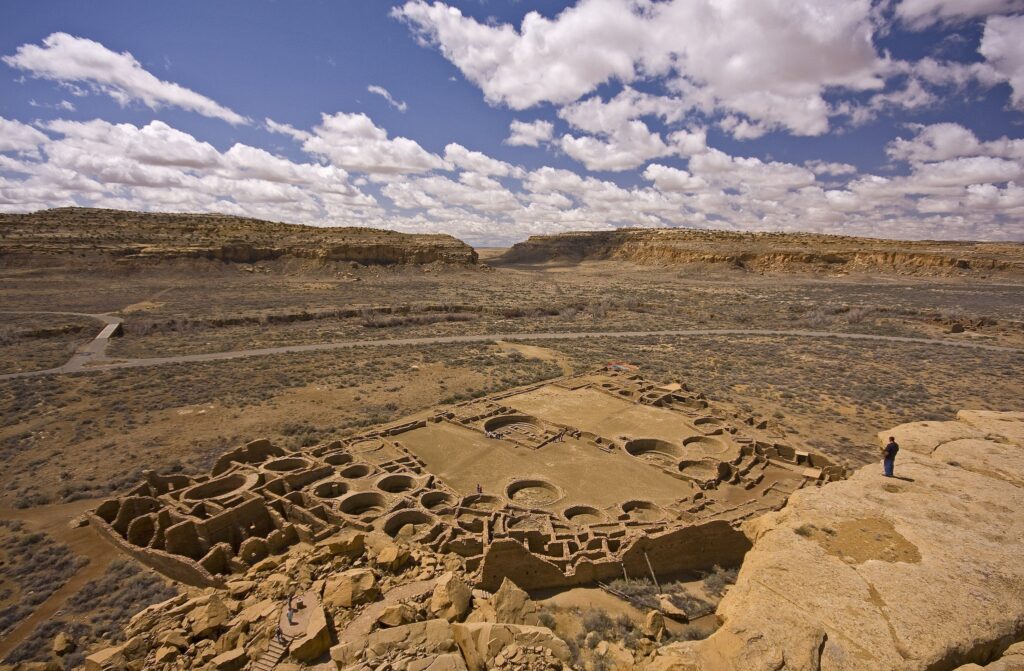
On the other side of the country lies extensive remains of the Chaco Canyon civilization in New Mexico. During the 10th century CE, it was a major center for trade and ceremonial gatherings in the Ancestral Puebloan culture. The site’s remarkable architecture showcases a unique blending of utility and spirituality. The alignment of structures with solar and lunar cycles illustrates the symbiotic relationship between the environment and spiritual life. Each stone tells a story, revealing the cultural ethos of interconnectedness with nature.
As we ponder upon Chaco Canyon, one must consider the role of spirituality in understanding cultural identity. How do these structures inform us about the reverence for the cosmos displayed by ancient peoples? The symbolism intertwined within Chaco’s architecture challenges contemporary perspectives, urging us to reevaluate the importance we place on materialism versus spirituality.
Further north, in the rugged landscapes of Montana, lie the remnants of the ancient civilization known as the Salish. The petroglyphs and earthworks scattered across the state illustrate the Salish peoples’ deep spiritual connection to the land. These markings not only signal territorial boundaries but are also thought to encapsulate stories and oral histories passed through generations. By examining these glyphs, one is invited to interpret them within the native cultural framework, thereby eschewing a purely analytical viewpoint.
The presence of these ancient symbols beckons a deeper inquiry into the nature of storytelling within indigenous cultures. What roles do oral traditions and visual expressions play in maintaining cultural continuity? By embracing these inquiries, modern society is compelled to reflect on its own methods of nurturing cultural heritage.
Traveling westward, we find the remnants of the Olmec civilization in San Lorenzo, Mexico, near the border with the United States. Renowned for their colossal stone heads, the Olmec are often regarded as a precursor to subsequent Mesoamerican cultures. The advanced artistry and monumental architecture offer a tangible connection to one of the earliest complex societies in the Americas. Yet, their sudden decline continues to be a mystery, inviting speculation on the dynamics of power and environmental change.
When contemplating the Olmec ruins, one might wonder about the transitory nature of civilization itself. As modern cultures continue to grapple with issues of climate change and sociopolitical upheaval, can we learn from the Olmec’s historical trajectory? The ruins act as a reminder of the inevitability of change and the lessons embedded in the soil of history.
Exploring the hidden ruins of these ancient civilizations necessitates an understanding of context—both cultural and environmental. The Pueblo Bonito in the Four Corners region of the U.S. is another site worthy of examination. This site reflects the architectural sophistication of the Ancestral Puebloans. Built between 828 and 1126 CE, the structure is a striking example of communal living and social organization. Its layout reveals how environmental factors influenced urban development, a concept that challenges the traditional Eurocentric models of urbanization.
This observation invites speculation on the adaptability of societies. How do patterns of resource allocation and environmental stewardship inform social structures? The exploration of these questions can enhance our comprehension of past and present societies alike.
As we survey these hidden ruins, a significant aspect emerges: the notion of resilience. The ruins denote not only the greatness of past civilizations but also their downfalls. By adopting a cultural relativistic perspective, we foster an appreciation for diverse cultural expressions while acknowledging the complexities of human existence. These sites embody histories marred by conflict, yet they also radiate resilience and adaptability in the face of adversities.
In conclusion, the hidden ancient ruins across the United States serve as portals into the cultural tapestry of humanity. Through an exploration of these sites, one can appreciate the evolution of societies and derive lessons applicable to contemporary life. In confronting the remnants of previous civilizations, we confront our own cultural biases and assumptions, paving the way for a richer understanding of heritage in an increasingly globalized world. The invitation to engage with these historical vestiges is not merely to retrospectively contemplate the past but to cultivate a dialogue about who we are as a society and the legacies we aspire to leave for future generations.
FAQ
What are some of the most significant hidden ancient ruins in the United States?
Significant hidden ancient ruins in the U.S. include Cahokia Mounds in Missouri, Chaco Canyon in New Mexico, Salish petroglyphs in Montana, and Pueblo Bonito in the Four Corners region.
How does cultural relativism help in understanding ancient ruins?
Cultural relativism encourages understanding ancient ruins within the context of the culture that created them, avoiding modern biases and appreciating their spiritual and societal significance.
What lessons can modern society learn from ancient civilizations like Cahokia and the Olmec?
Modern society can learn about sustainability, social organization, resilience, and the impact of environmental and social factors on civilization longevity from these ancient cultures.
Why is the study of ancient ruins important for cultural heritage?
Studying ancient ruins helps preserve cultural heritage, fosters respect for diverse histories, and provides insights into past human experiences that shape present identities.



Leave a Reply