Short Answer
Are humans truly a part of the animal kingdom, or are we merely advanced beings with no direct connections to our fellow Earth inhabitants? This pivotal question invites exploration into the intricate tapestry of evolution, raising profound implications about how we relate to the myriad forms of life that share our planet. The evolutionary narrative crafted by scientists offers clarity, yet also ignites discussions shaped by cultural relativism, impacting perceptions of humanity’s place in nature.
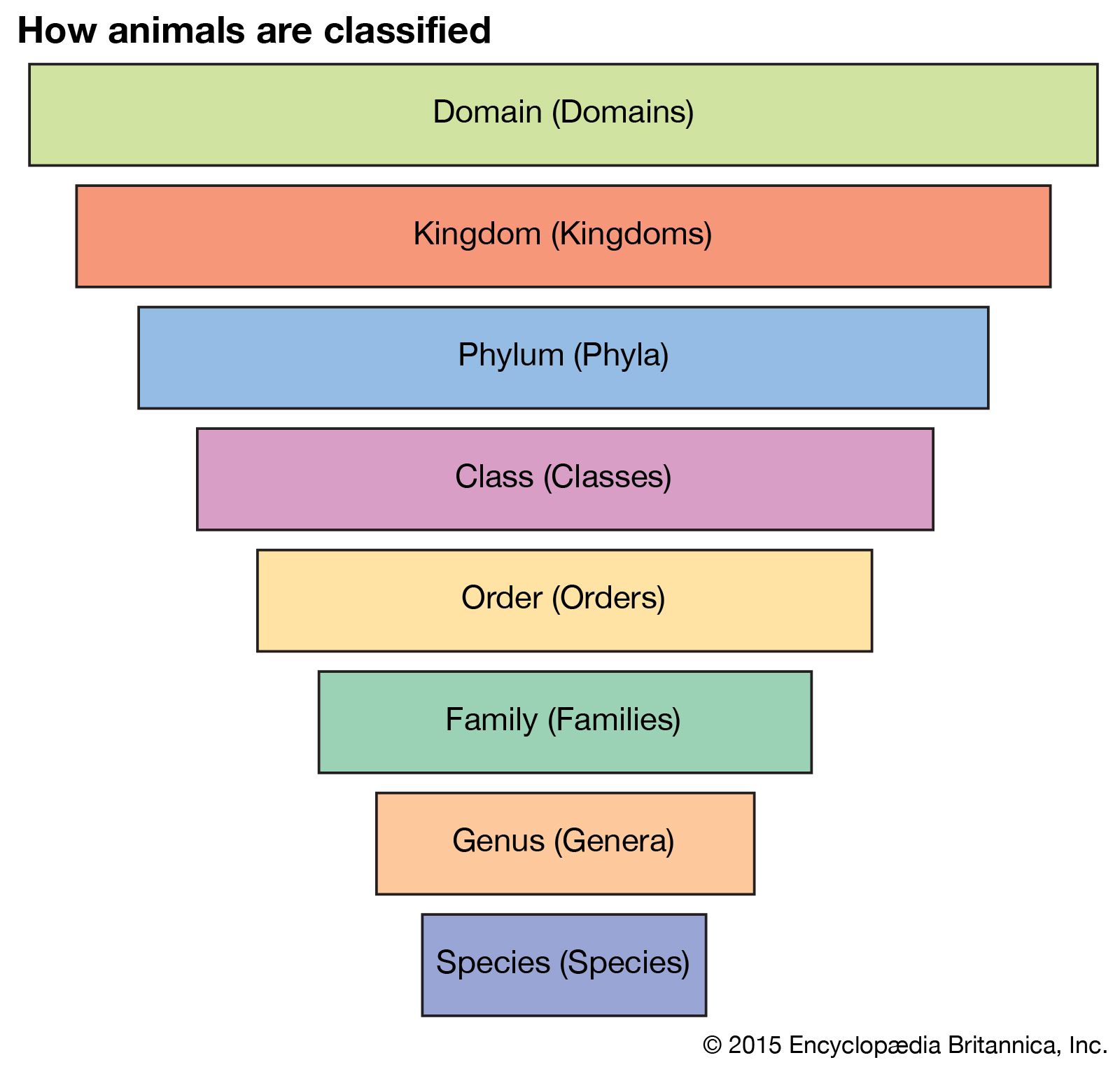
The biological classification of humans has long established Homo sapiens as members of the primate order, a lineage that includes great apes such as chimpanzees and gorillas. The discovery of common ancestry among these species delineates not merely familial ties, but also an elaborate genealogy that reflects shared traits and behaviors. The DNA analysis reveals a striking genetic proximity; humans share approximately 98% of their DNA with chimpanzees. This fact prompts a playful inquiry: to what extent are we, then, mere reflections of the animals around us?
Examining the evidence reveals that evolution is not a linear narrative, but rather a branching tree, wherein various species diverge and adapt. The process of natural selection acts as a sculptor, honing physical characteristics and behaviors that enhance survival. Adaptations manifest not just in morphology but also in cognitive functions, social structures, and environmental interactions. This interplay often leads to the perception of humans as separate or superior to other species; however, cultural relativism challenges such hierarchical viewpoints. It posits that every culture has its own lens through which to understand relationships in nature, including those with animals.
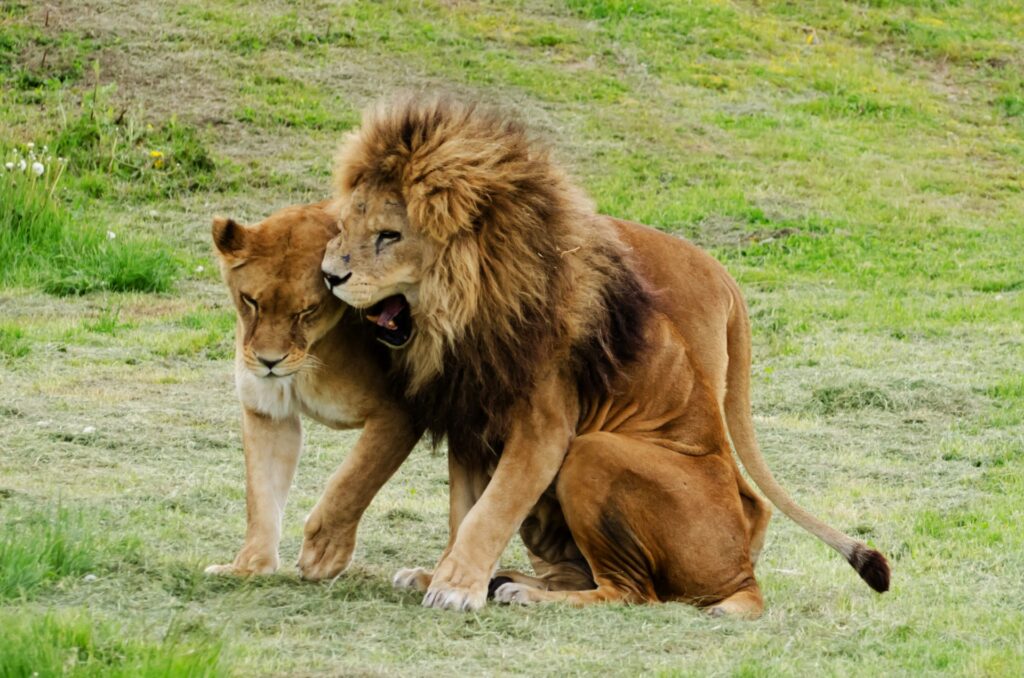
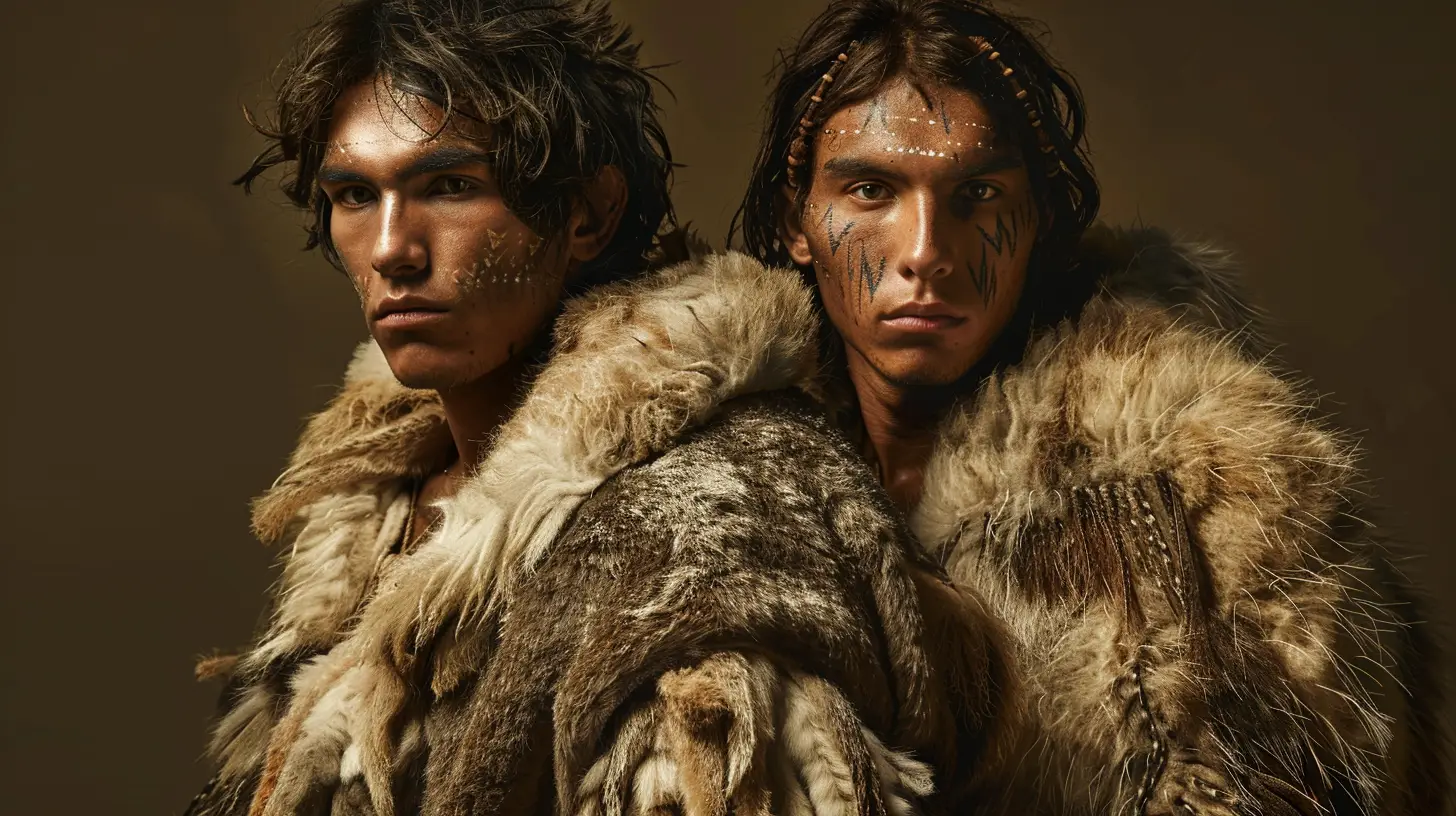
Cultural frameworks shape the way societies perceive and interact with non-human organisms. For instance, many Indigenous cultures embody a worldview where nature, including animals, is viewed as sentient and possessing agency. This perspective stands in stark contrast to Western notions that often categorize animals as resources to be exploited. Such disparities pose a substantial challenge to our understanding of kinship in the animal kingdom. If one subscribes to the Indigenous view, might we then consider the lion, often revered in numerous cultures, not an apex predator, but a fellow sovereign in a shared existential journey?
The philosophical underpinnings of cultural relativism encourage us to examine our biases regarding intelligence and hierarchy within the animal kingdom. The anthropocentric lens frequently adopted by contemporary societies prioritizes human-centric indicators of intelligence, such as problem-solving abilities and technological prowess. Yet, examining animal cognition through a broader lens reveals astonishing capacity for communication, social organization, and emotional depth. Elephants exhibit profound social bonds, mourning practices, and a type of intelligence that often mirrors human behavior. As we wrestle with the question of relatedness, it becomes necessary to reevaluate the metrics by which we judge the cognitive capabilities across species.
This reconsideration has significant ethical implications. The recognition of continuity between humans and animals compels a reevaluation of our moral responsibilities toward other species. If we acknowledge that human beings are woven into the broader web of existence, complete with interdependencies and shared emotions, it necessitates advocacy for animal welfare and environmental stewardship. Cultural relativism fosters a democratic discourse on ethics, suggesting that there is not a single moral framework but a plurality of approaches to understanding our obligations toward other beings.
In this light, let us navigate the philosophical realms of animal rights and ecological ethics. The notion of kinship becomes increasingly relevant amidst biodiversity crises wrought by habitat destruction and climate change. As relatives in this vast evolutionary family tree, the survival of various species is consequently intertwined with human action. How then do we reconcile these relationships? Can cultural relativism be a unifying platform for developing harmonious coexistence among all living beings?
Many cultures already embody this harmonized approach. In Japan, for instance, the Shinto belief system enshrines the sacredness of all forms of life, asserting that animals are messengers of the divine. This perspective fosters a profound respect for nature and its inhabitants. Meanwhile, Western views, often supersized by industrial practices that emphasize yield over stewardship, suffer from a disconnection from the natural world. Bridging the chasm requires an integrative approach that respects diverse worldviews and fosters a deeper comprehension of our interconnectedness.
From an evolutionary perspective, the examination of relatedness does not diminish the unique attributes of humanity. Instead, it enriches our understanding of what it means to be human. Recognizing our lineage with animals prompts self-reflection on both our strengths and weaknesses. It encourages a more ethical interaction with the world, steeped in humility. The challenge lies not in determining whether we are definitive kin to the animal kingdom, but in how this understanding can transform our actions and beliefs.
Ultimately, the exploration of humanity’s relationship with the animal kingdom prompts critical questions that transcend biological and cultural boundaries. Are we willing to embrace a more expansive definition of community that includes our non-human relatives? In so doing, we might discover not just the essence of life itself, but also a deeper, more fruitful coexistence with all Earth’s inhabitants. The truth of evolution is not merely clad in scientific terminologies but is interwoven into the rich tapestry of human culture, ethics, and identity. This transformative journey beckons us to reimagine what it truly means to be a part of this planet, together with the myriad other beings that call it home.
FAQ
Are humans classified as animals in biological taxonomy?
Yes, humans belong to the animal kingdom and are classified as Homo sapiens within the primate order, sharing a common ancestry with great apes such as chimpanzees and gorillas.
How closely related are humans to other animals genetically?
Humans share approximately 98% of their DNA with chimpanzees, indicating a close genetic relationship.
What role does cultural relativism play in understanding human-animal relationships?
Cultural relativism influences how different societies perceive animals, with some viewing animals as sentient beings with agency, which challenges anthropocentric and hierarchical views.
What ethical implications arise from recognizing humans' evolutionary ties to animals?
Acknowledging evolutionary relatedness encourages reconsideration of moral responsibilities toward animals, promoting animal welfare, environmental stewardship, and ethical coexistence.
Can cultural perspectives help foster coexistence between humans and animals?
Yes, diverse cultural frameworks, such as Indigenous beliefs and Shintoism, offer models of respect and harmonious coexistence with animals that could guide broader ecological ethics.


Leave a Reply