Short Answer
Easter Island, known in the native language as Rapa Nui, invokes a profound sense of curiosity and intrigue that extends beyond its geographical boundaries. Situated in the southeastern Pacific Ocean, this small island is imbued with a rich tapestry of cultural history and significance that resonates through the generations. Analyzing the island through the lens of cultural relativism reveals the complexities and nuances of Rapa Nui’s history, customs, and societal structures, offering a deeper understanding of this enigmatic locale.
Cultural relativism posits that a society can only be understood through its cultural context, rejecting ethnocentric perspectives that often color the analysis of non-Western societies. By employing this framework, one can gain insights into the traditions, beliefs, and practices of the Rapa Nui people, who have historically occupied this remote island. The term “Rapa Nui” itself not only identifies the land but also encapsulates the identity of its inhabitants, who have cultivated a distinctive cultural heritage in isolation.
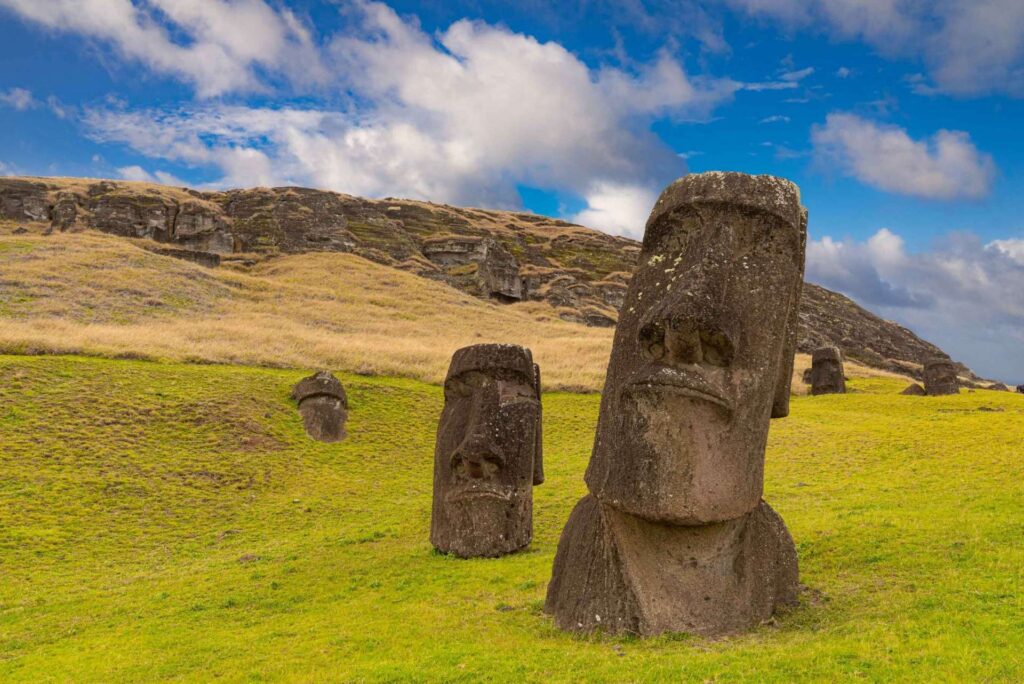
The island’s landscape is dominated by its moai statues, immense stone carvings that are emblematic of the Rapa Nui civilization. These figures are not merely artistic endeavors; they serve as manifestations of social hierarchy, ancestor worship, and the communal identity of the clans. The construction and transportation of the moai necessitated collective labor, as well as an intricate understanding of local geology, transportation, and logistics. Such monumental work is a testament to the ingenuity and resilience of the Rapa Nui people, reflecting their social structures and belief systems in a manner that transcends mere physical appearance.
From a cultural relativist viewpoint, the moai epitomize the values and priorities of the Rapa Nui, highlighting the importance of ancestral veneration and community cohesion. The belief that the moai were imbued with spiritual power underscores the deep connections the Rapa Nui have maintained with their ancestors. It is essential to view these practices within their historical and environmental contexts. As the island faced ecological challenges, including deforestation and resource depletion, the cultural practices surrounding the moai evolved accordingly, reflecting adaptive strategies rooted in local reality.
Furthermore, the spiritual and ritualistic dimensions of Rapa Nui culture offer rich avenues of exploration. The island’s unique mythology is replete with tales of gods, creation, and the origins of the Rapa Nui people. Such myths not only serve as entertainment but also as a means of imparting wisdom, fostering a sense of identity, and reinforcing the moral tenets that govern communal living. The oral tradition, a keystone of Rapa Nui culture, allows for the transmission of cultural knowledge, keeping the community’s history alive while enabling adaptation to contemporary challenges.
The arrival of European explorers significantly altered the trajectory of Rapa Nui’s cultural landscape. The initial encounters led to a series of profound disruptions, including the introduction of diseases and the imposition of foreign ideologies. Such influences can be seen as a cautionary tale, reminding us of the fragility of indigenous cultures when confronted with external forces. The Rapa Nui people’s resilience amidst these challenges demonstrates the dynamic nature of culture, emphasizing that cultural evolution is an ongoing process shaped by both internal and external factors.
As observers adopt a cultural relativist perspective, it becomes imperative to acknowledge the contemporary struggles faced by the Rapa Nui people in asserting their identity and autonomy. The socio-political landscape of Easter Island is complicated by the tensions that arise from tourism, land ownership, and cultural commodification. Many Rapa Nui individuals strive to reclaim their narrative and redefine their relationship with both their heritage and the modern world. This pursuit of cultural revitalization illustrates the intersections of tradition and modernity, as well as the ongoing dialogue between the past and present.
The discourse surrounding Rapa Nui is further enriched by academic studies and collaborative efforts that aim to document and preserve the island’s cultural heritage. Researchers, anthropologists, and community members are engaging in participatory methodologies that prioritize the voices and experiences of the Rapa Nui people. This collaborative approach serves as a powerful means of fostering understanding, respect, and recognition of indigenous perspectives in a world that often marginalizes them.
The importance of language cannot be overstated when exploring the Rapa Nui culture. The native language is not merely a communication tool; it embodies the worldview, values, and traditions of its speakers. Language revitalization initiatives are critical in the struggle to maintain cultural identity, serving as a bridge to the past while providing a foundation for future generations. Through the preservation and promotion of their language, the Rapa Nui people assert their rights to cultural expression and autonomy.
In conclusion, viewing Rapa Nui through the lens of cultural relativism allows for a multifaceted understanding of this unique island. It compels us to appreciate the intricacies of its history, the resilience of its people, and the rich cultural practices that define them. Rapa Nui stands not only as a testament to the ingenuity of its ancestors but also as a living, breathing repository of cultural knowledge. By embracing a holistic perspective that prioritizes local context, we can engage with Rapa Nui not merely as a tourist destination, but as a culturally rich landscape filled with stories waiting to be told and understood in their own right.
FAQ
What is another name for Easter Island?
Another name for Easter Island is Rapa Nui, which is the name used by the indigenous Polynesian people who inhabit the island.
What are the moai statues on Easter Island?
The moai are large stone statues created by the Rapa Nui people, symbolizing social hierarchy, ancestor worship, and community identity.
Why is cultural relativism important in understanding Rapa Nui?
Cultural relativism helps to understand Rapa Nui society within its own cultural context, avoiding ethnocentric judgments and appreciating its unique traditions and history.
What challenges does the Rapa Nui culture face today?
The Rapa Nui people face challenges such as tourism impact, land ownership disputes, cultural commodification, and efforts to revitalize their language and heritage.
How did European contact affect Easter Island?
European explorers introduced diseases and foreign ideologies that disrupted the Rapa Nui culture and significantly altered the island’s social and cultural landscape.



Leave a Reply