Short Answer
Bananas, a staple food for millions globally, have recently sparked intense debate regarding their future sustainability. As we approach 2024, the question arises: Are bananas heading towards extinction? This inquiry delves into various dimensions of the matter, particularly through the lens of cultural relativism. This perspective enables a nuanced understanding of how human cultures interact with and shape our approaches to agriculture, biodiversity, and conservation.
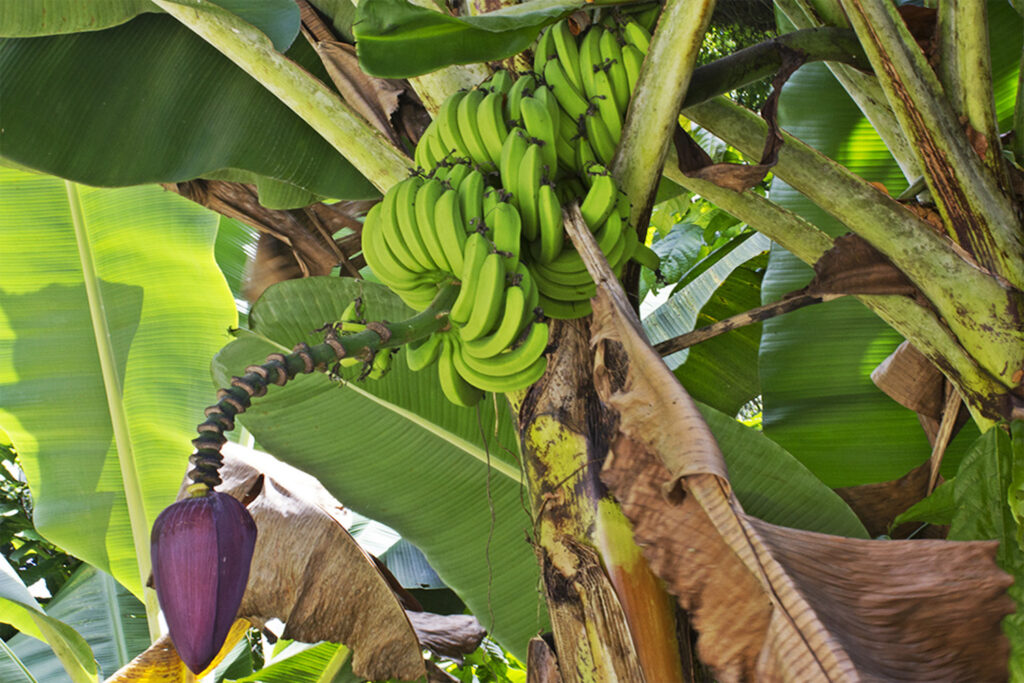
To grapple with the gravity of this issue, one must first elucidate the precarious state of the banana population. The predominant variety consumed worldwide, the Cavendish banana, has come under threat due to its vulnerability to diseases and environmental shifts. Depicting a charming symbol of tropical allure, the Cavendish, yet clings to existence in a precarious balance between human consumption and agricultural practices. As monoculture farming techniques proliferate, the genetic homogeneity of the Cavendish banana makes it susceptible to pathogens, particularly the Panama disease caused by the Fusarium fungus. The situation compels a critical reassessment of agricultural strategies and practices.
In contemplating the potential extinction of bananas, it becomes essential to engage with cultural relativism, which posits that a culture should be understood on its own terms. This framework underscores the intertwined destinies of bananas and the diverse cultures that cultivate them. Bananas are not merely commodities; they embody cultural identities, traditional practices, and economic livelihoods across various societies. From the lush plantations of Central America to the bustling markets of West Africa, bananas play multifunctional roles in community diets and societal rituals.
The looming threat of banana extinction poses an intriguing question within cultural relativism: How do different societies perceive the significance of bananas? In many regions, bananas serve as a fundamental dietary component. Ripe bananas are often consumed fresh, while unripe varieties are cooked or fried, integrating seamlessly into numerous culinary traditions. In this context, should the Cavendish banana succumb to disease, the ripple effects would extend far beyond agricultural losses; they would engender profound disruptions in food culture and nutritional practices. The cultural implications are staggering, prompting discussions about food sovereignty and the ethical dimensions of crop preservation.
Moving beyond dietary considerations, bananas hold significant economic weight in many agricultural societies. They represent a crucial export commodity, providing livelihoods for countless smallholder farmers. In regions where economic stability is tenuous, the banana sector often acts as a crucial support system. The potential extinction of bananas could thus lead to devastating economic repercussions, transforming vibrant communities into desolate landscapes of economic despair. Such shifts would not merely reflect agricultural statistics but would reverberate through social fabric, destabilizing long-established cultural values surrounding community, resilience, and collective identity.
However, challenges also breed innovative solutions. Scientists and agricultural specialists are currently investigating alternative banana varieties that might resist the encroaching threats faced by the Cavendish. Institutions and conservationists advocate for the cultivation of genetically diverse banana plants, encouraging practices that promote resilience within ecosystems. Such efforts underscore a fundamental tenet of cultural relativism: cultural practices evolve in response to challenges. Human ingenuity and adaptability often lead to new agricultural paradigms. Each potential solution may, in turn, integrate local cultural practices, creating a symbiotic relationship between science, agriculture, and culture.
The discourse surrounding banana extinction also necessitates acknowledgment of global interconnectedness. As the world grapples with climate change and environmental degradation, the rippling effects on agriculture become acutely apparent. Bananas, once perceived as stable fixtures in diets and economies, now reflect the fragility inherent in global agricultural systems. The question of bananas leads us to consider how interconnected environmental policies impact food systems. The challenges posed by banana extinction provoke serious discourse among anthropologists and environmentalists regarding the far-reaching implications of cultural practices on biodiversity.
In examining bananas within this broader context, one must ponder the ethical ramifications of industrial agriculture. With substantial power invested in the hands of multinational corporations controlling the banana market, the necessity for ethical and sustainable practices comes into sharp focus. Cultural relativism urges stakeholders to engage with the myriad of cultural narratives that surround banana cultivation and consumption. This multidimensional understanding offers a gateway to more equitable practices and policies that honor traditions while fostering innovation. When weighing human intervention against natural resilience, one must tread carefully to balance short-term agricultural gains with long-term ecological sustainability.
In the face of potential banana extinction, the multifaceted relationships among culture, agriculture, and science invite further contemplation. Will the global community prioritize the advancement of agricultural practices at the expense of local cultures? How do we as a society embrace the necessity for adaptation while valuing traditional knowledge? These questions remain pivotal as we navigate the uncertainties ahead.
Ultimately, the debate surrounding the extinction of bananas distills into a broader inquiry about humanity’s relationship with nature. Are we custodians of the earth, acting to preserve its bounty for future generations? Or are we passive consumers, unwittingly leading icons of agricultural diversity toward the brink of disappearance? A conscious reckoning is necessary to ensure that as the specter of extinction looms, the vibrant cultures intertwined with the banana’s narrative are preserved and celebrated, culminating in a collective commitment toward sustainable agricultural practices and biodiversity conservation.
FAQ
Are bananas really going extinct in 2024?
While bananas, especially the Cavendish variety, face significant threats from diseases like Panama disease, extinction is not certain in 2024. Scientists are actively researching resistant varieties and sustainable farming methods.
What is causing the threat to bananas?
The primary threat to bananas is Panama disease caused by the Fusarium fungus, which affects genetically uniform Cavendish plantations. Monoculture farming practices exacerbate this vulnerability.
How does banana extinction impact cultures?
Bananas are integral to many cultures as dietary staples and economic resources. Their loss would disrupt food traditions, economies, and cultural identities globally.
What are scientists doing to prevent banana extinction?
Researchers are developing disease-resistant banana varieties and promoting agricultural biodiversity to enhance resilience against pathogens and environmental changes.
Why is cultural relativism important in discussing banana extinction?
Cultural relativism helps understand how different societies value bananas beyond economics, considering traditional practices, food sovereignty, and ethical agricultural approaches.




Leave a Reply