Short Answer
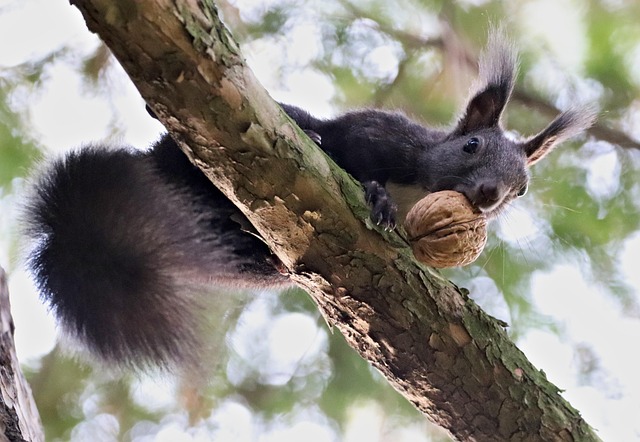
Black squirrels, often captured in delightfully whimsical poses, have intrigued naturalists, biologists, and everyday observers alike. These creatures, easily recognizable by their lustrous ebony fur, present not only a study in variation within the species but also provoke a series of complex inquiries regarding taxonomy, evolution, and cultural perception. Are black squirrels merely a curiosity of nature, a genetic variant within the same species, or could they be considered a distinct species entirely? This inquiry invites an exploration through the lens of cultural relativism, prompting reflection on how societies perceive and categorize this minor mutation.
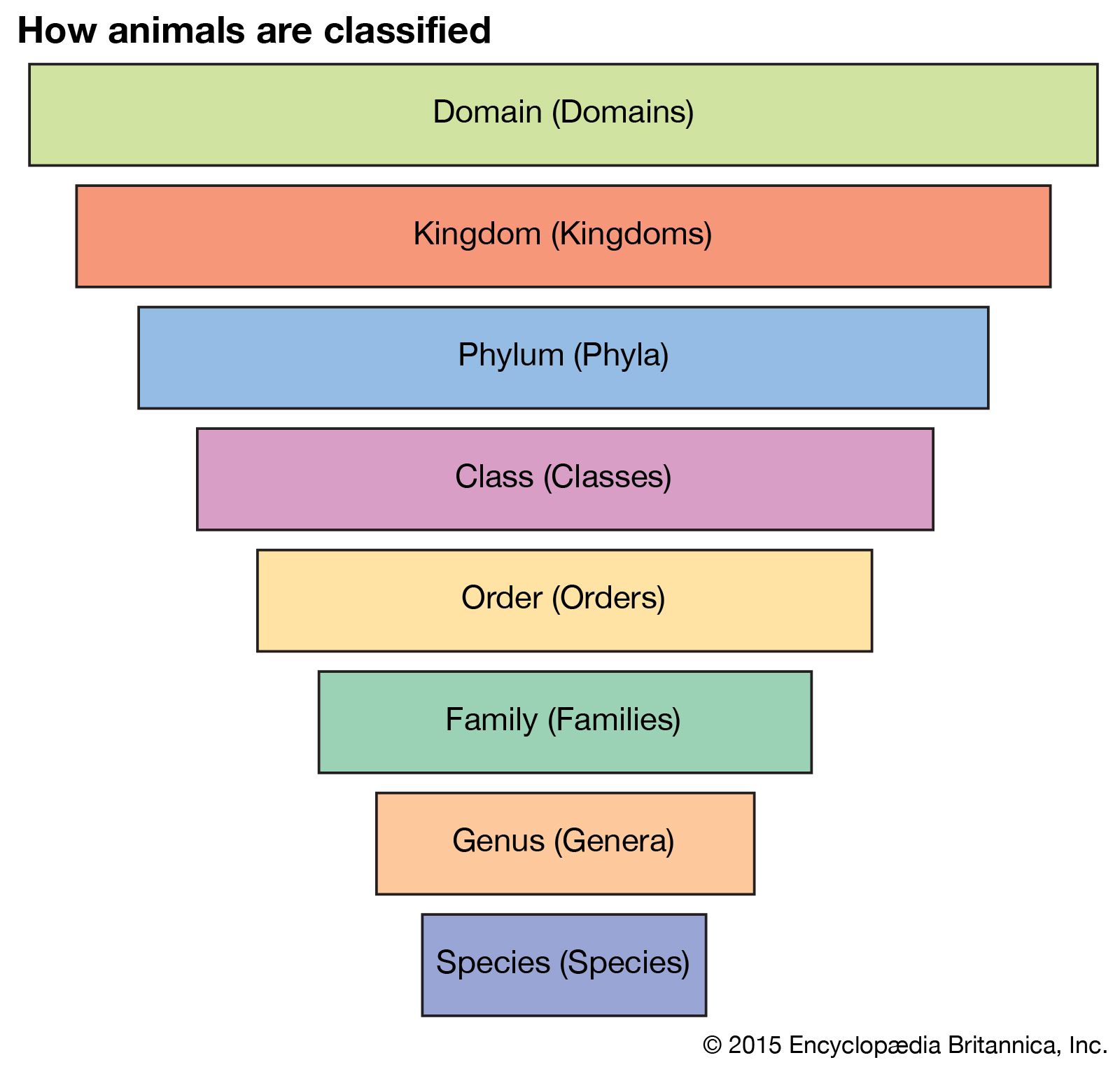
To contextualize the discussion, let us begin by defining what constitutes a species. Traditionally, a species is defined as a group of organisms capable of interbreeding and producing fertile offspring. Under this paradigm, the common Eastern gray squirrel (Sciurus carolinensis) encompasses various color morphs, including the prevalent gray and the more elusive black. The latter genetic variation arises from a mutation in the gene responsible for coat color, known as the agouti gene. This vibrant melanin expression does not equate to speciation; it remains a fascinating example of intra-species variation fueled by environmental and evolutionary pressures.
While black squirrels may not constitute a separate species by biological standards, their unique phenotype undoubtedly yields intriguing questions about identity and representation within ecological contexts. Across various cultural narratives, the symbolism associated with black squirrels varies widely. In some communities, they embody good fortune and prosperity, while in others, their darker hue may be interpreted as ominous. This dichotomy exemplifies cultural relativism in action—a reminder that perceptions of animals often reflect deeper societal beliefs rather than universal truths.
Interestingly, the black coloration of squirrels is not merely an aesthetic characteristic; it may convey survival advantages. Research indicates that darker coats can absorb more solar radiation, which may be advantageous in colder climates. Thus, the prevalence of black squirrels in specific environments may reflect adaptive evolution driven by ecological needs. Consider the contrast between the black and gray colorations: urban areas frequently report higher populations of black squirrels, perhaps as a way to camouflage better against the shadows cast by concrete structures and tree trunks in human-altered landscapes.
This leads us to ponder the societal implications of such adaptations. In the urbanized milieu, the robustness of the black squirrel population juxtaposes the perceptions held by urban dwellers. While some regard these elusive creatures with affection and curiosity, others may perceive them as scavengers or pests, thus spawning contempt or indifference. The divergence in these viewpoints underscores a broader narrative—that human constructs of ‘pest’ versus ‘pet’ are inherently influenced by cultural values, further impacting how wildlife is managed and conserved within various environments.
As we delve deeper into the cultural relativism perspective, it is essential to acknowledge that the fascination surrounding black squirrels can reinforce stereotypes and myths. For instance, the prevalence of juvenile black squirrels being viewed as anomalies or as omens often reflects broader societal fears regarding otherness or deviation from the norm. In folklore, the existence of black squirrels can evoke discussions concerning race, identity, and societal equilibrium, mirroring the real challenges faced by different communities in perceiving and accepting diversity.
Moreover, the inquiry into whether black squirrels might be classified as a different species brings forth the potential challenge posed by the human tendency to categorize nature strictly within binary frameworks. This inclination toward simplification can obscure the complexities of biological and ecological spectra. In reality, nature operates on a continuum where inter-species and intra-species distinctions are often blurred. Black squirrels exemplify this continuum, demonstrating the fluidity of species definitions and the biological significance of genetic variation.
The discussion around black squirrels can also segue into more pronounced ecological implications, as their presence and adaptation serve as indicators of environmental health. The success of black squirrels in urban areas may suggest a rebalancing of ecosystems in response to anthropogenic changes. This observation invites us to critically consider the broader implications of human impact on wildlife and the ongoing negotiation between conservation efforts and urban development.
In synthesizing these observations, it becomes evident that the black squirrel phenomenon serves as a compelling case study in understanding biodiversity, adaptation, and cultural perception. Their status hinges upon broader conversations about species classification, adaptation, and the intricate ways humans interact with nature. By acknowledging the cultural contexts that shape our perceptions of these creatures, we foster a more nuanced appreciation of their role within ecosystems and their meanings within various human narratives.
Ultimately, the question remains: Are black squirrels a curious mutation or do they signify something deeper within the tapestry of life? They challenge us to reconsider our definitions of species, our interpretations of wildlife, and the cultural narratives we construct around them. This exploration illustrates that when considering the natural world, one must embrace complexity, celebrate diversity, and regard all creatures, regardless of color, with wonder and curiosity.
FAQ
Are black squirrels a different species from gray squirrels?
No, black squirrels are a color variation of the Eastern gray squirrel caused by a genetic mutation.
What causes the black coloration in black squirrels?
The black coloration is due to a mutation in the agouti gene affecting fur pigmentation.
Do black squirrels have survival advantages?
Yes, their dark fur may help them absorb heat better in cold climates and provide camouflage in urban settings.
How are black squirrels viewed culturally?
Views differ; some cultures see them as symbols of luck, while others associate them with superstition.
What can the presence of black squirrels indicate about an environment?
Their presence can indicate ecological adaptation to urbanization and environmental conditions.



Leave a Reply