
Short Answer
Throughout history, the enigmatic presence of crows has often prompted intrigue among scholars and the general populace alike. These avians, small yet formidable, have exhibited intelligence that rivals some of the highest forms of animal cognition. The question arises: were crows around in the Stone Age, and what implications does their existence have in our understanding of cultural relativism? In exploring the ancient intelligence of birds, particularly crows, we shall draw intricate parallels between their cognitive capacities and the human experience in prehistoric times.
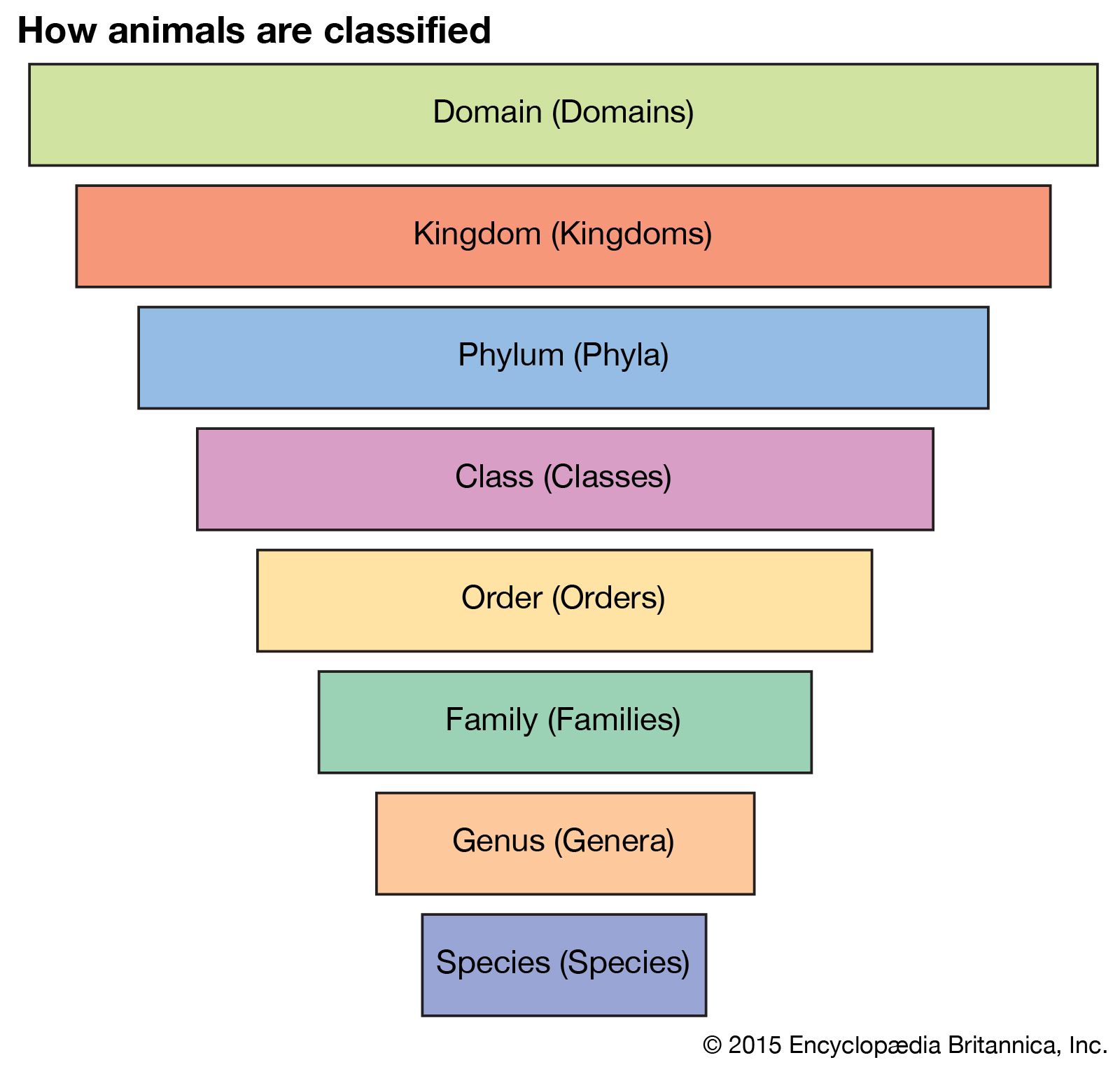
Crows belong to a family of birds known as Corvidae, which also includes ravens, magpies, and jays. The lineage of crows can be traced back to approximately 20 million years ago, long before the advent of human civilization. Evidence from fossil records indicates that variations of crows roamed the Earth during the Pleistocene epoch, a geological period characterized by fluctuations in climate and biodiversity. It is plausible, therefore, that these birds were ubiquitous in the habitats occupied by early Homo sapiens, coexisting with our ancestors as they navigated the complexities of survival.
In the context of the Stone Age, the cognitive abilities of crows become particularly illustrative. New research underscores that crows possess an intricate understanding of their environment, relying on problem-solving skills that are not unlike those employed by early humans. Examining how crows utilize tools—an oft-cited indicator of advanced intelligence—offers a fascinating insight into the shared ecological and existential challenges faced by both species. For instance, crows have been observed crafting tools from twigs and leaves to access hard-to-reach food sources. This adaptive behavior mirrors the ingenuity exhibited by our ancestors as they fashioned primitive tools out of stone and bone to enhance their survival.
Moreover, crows possess a remarkable ability to communicate and cooperate, exhibiting complex social behaviors that resonate with the tenets of cultural relativism. Early human societies were no strangers to forging alliances and establishing hierarchies based on shared knowledge and experiences. Crows engage in cooperative breeding, where non-parental birds assist in the rearing of young. Such social structures highlight a form of collective intelligence, suggesting that these birds, much like human groups in the Stone Age, relied on shared goals and collaborative efforts to thrive within their ecosystems.
When considering the cultural significance of crows within prehistoric human societies, one cannot ignore the rich tapestry of myth and folklore that surrounds these birds. In various cultures, crows have been depicted as symbols of mystery, wisdom, and, occasionally, bad omens. This anthropomorphization reflects the deep-seated connection between humans and nature—the representation of crows in folklore serves to scaffold understanding of the unknown and the human condition itself. By evaluating the importance of crows in the narratives of ancient cultures, we can appreciate how their intelligence and adaptability served as a touchstone for reflection and interpretation of human experiences.
Furthermore, the concept of cultural relativism prompts an essential inquiry into how different societies perceive and interact with crows. In some Indigenous cultures, these birds are revered as spiritual guides, while others view them through a more pragmatic lens, appreciating their utility in pest control and scavenging. This disparity in perspectives encapsulates the essence of cultural relativism, emphasizing that understanding varies vastly across contexts. The Stone Age represented a formative time when cultural nuances were beginning to crystallize; within this framework, crows may have served as both an inspiration and a cautionary tale in the developing zeitgeist of humanity.
The interplay of crows within ecological systems further amplifies their significance. In the Stone Age milieu, where the struggle for existence was paramount, crows played a crucial role as opportunistic feeders. Their scavenging behavior not only aided in the decomposition of organic matter but also provided valuable insights into the environment for early hominins. Observing crows engaging with their surroundings may have granted early humans critical knowledge pertaining to available food resources and environmental shifts. This reciprocal relationship drew lines of connection between avian and human endeavors, illustrating a symbiotic coexistence rooted in observation and adaptation.
As we reinterpret the relationship between crows and early humans through a modern lens, the implications extend far beyond mere observations of intelligence or survival strategies. By considering the cognitive abilities of crows alongside the human experience during the Stone Age, one can unveil the broader existential questions that emerge. What does it mean to be intelligent? How do we define culture? These are not merely academic inquiries; they illuminate the depth of our shared existence on this planet.
Ultimately, the existence of crows during the Stone Age invites reconsideration of the narrative surrounding human evolution and intelligence. The cognitive capacities exhibited by these birds allow for a more nuanced understanding of intelligence as a multifaceted concept that transcends species boundaries. Crows, with their dark plumage glistening under the sun, emerge not just as mere inhabitants of ancient landscapes but as critical players in the evolutionary theatre, where intelligence and culture are interwoven in a complex tapestry of existence.
In conclusion, exploring the intersection of crows and ancient human societies through the prism of cultural relativism unveils a rich tableau of interaction and understanding. As we continue to study and appreciate the intelligence of these birds, we are reminded of the eternal connections we share with the natural world—a reminder that echoes through the annals of time, beckoning us to reflect on our place within this expansive ecosystem.
FAQ
Were crows around during the Stone Age?
Yes, fossil evidence shows crows existed during the Pleistocene epoch, overlapping with the Stone Age.
What intelligence traits do crows display?
Crows are known for using tools, solving complex problems, communicating effectively, and cooperating socially.
How did ancient humans perceive crows?
Ancient humans often viewed crows as symbols in myths and folklore, representing wisdom or mystery.
What is the significance of crows in cultural relativism?
Crows showcase how different cultures may interpret animal behaviors and symbolism in varied ways, reflecting cultural relativism.




Leave a Reply