Short Answer
In the intricate tapestry of human evolution, one might ponder an intriguing question: Are human teeth designed primarily for the consumption of meat? Unpacking this query necessitates an exploration not only of anatomical and evolutionary dimensions but also of cultural relativism—a paradigm that insists our understanding of human behavior must be situated within the context of the culture in which it occurs.
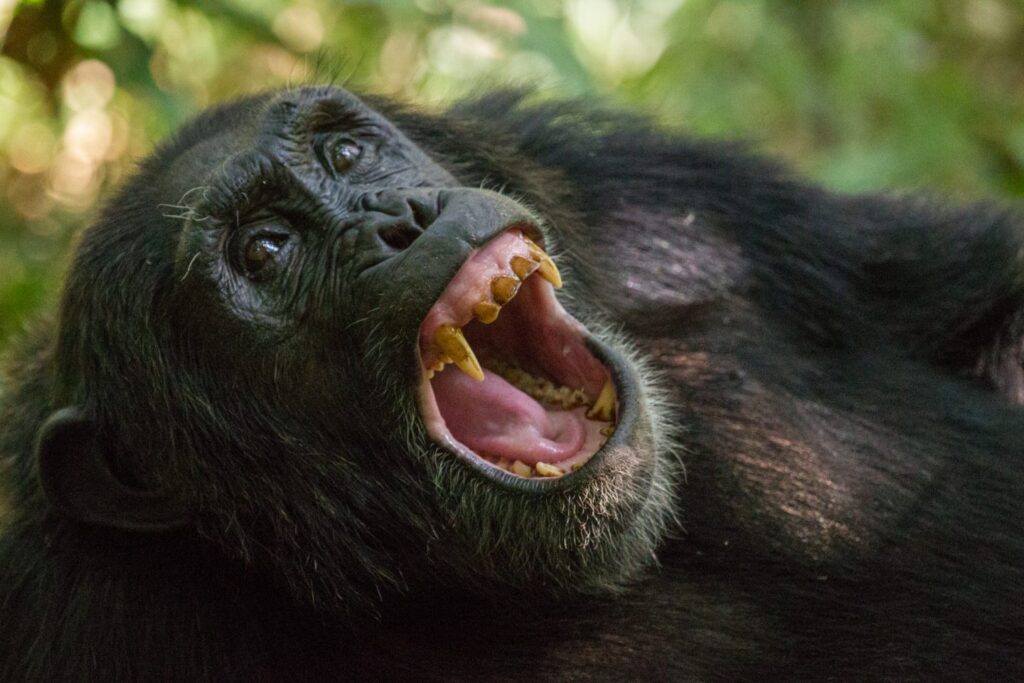
To commence this discourse, it is vital to understand the evolutionary trajectory of hominins, from their primate ancestors to modern Homo sapiens. The dentition of our closest relatives—primates like chimpanzees and bonobos—shows a dietary flexibility that is compelling. These species exhibit an omnivorous palate, capable of processing both plant and animal matter. As humans diverged from these lineages, the development of dental structures began to reflect a complex relationship with diet that has been pivotal to survival.
The human dentition, characterized by an amalgamation of various tooth types, seems to narrate a story of adaptation. Incisors, canines, premolars, and molars all serve distinct functions that suggest an omnivorous diet. While incisors are adept at slicing, canines—though less pronounced than in carnivorous mammals—still hold significance in the anatomical framework, hinting at an ancestral lineage where meat consumption played a role. Molars, with their flat surfaces, indicate an efficient mechanism for grinding plant material.
However, how does one reconcile these anatomical features with the cultural practices surrounding food? Cultural relativism posits that dietary habits are profoundly influenced by environmental factors, social structure, and historical context. For instance, societies that evolved in resource-rich environments, where agriculture thrived, may have relied predominantly on plant-based diets, leading to adaptations in cooking and food preparation rather than in dentition alone.
Yet, as contemporary human beings inhabit diverse environments, the question arises: do cultural adaptations override evolutionary predispositions? In cultures where meat consumption is central, such as among various Indigenous groups, we can see a natural inclination toward utilizing teeth for processing meat. Here, the relationship between evolutionary biology and culture intertwines, complicating a straightforward narrative about dietary adaptations and physiological capabilities.
Exploring beyond the mere biological and into the socioeconomic sphere presents another layer of complexity. The industrialization of food production has revolutionized the way humans obtain sustenance. With the advent of processed foods, the roles teeth have historically played may diminish. Soft, readily available foods alter not only eating habits but also the evolutionary pressures that shaped our dentition. In this jocund contradiction, one might question: do modern conveniences render our highly evolved teeth obsolete in a way that conflicts with their primal purpose? The rapidity of change in dietary habits juxtaposed with the slow march of evolutionary adaptation presents a significant challenge.
Moreover, diverging dietary practices across cultures serve as an empirical testament to this interplay. For example, traditional Inuit diets consist heavily of animal products, including raw fish and seal, emphasizing the utility of teeth designed to consume tougher meat fibers. In stark contrast, many traditional Asian diets are rich in grains and vegetables, prompting adaptations in cooking techniques that make the consumption of fibrous plant matter more feasible. Through these distinct approaches, one observes that while dental morphology may suggest a design for omnivorous consumption, cultural practices dictate how those teeth are ultimately employed.
Notably, the conversation shifts when examining the cultural narratives surrounding meat as a dietary staple. In many societies, particularly in Western contexts, meat consumption has been imbued with socio-cultural significance. The act of eating meat is often intertwined with social status, rites of passage, and culinary tradition. Such cultural attachments complicate the simplistic notion of “teeth for meat.” Thus, one might ask, do our teeth reflect a biological imperative, or do they instead mirror the intricate socio-cultural dimensions of food consumption?
Furthermore, as global awareness of health issues burgeons, the ethical considerations surrounding meat consumption have propelled plant-based diets into the forefront of the gastronomic ethos. The advent of vegetarianism and veganism represents not just a dietary shift but may also engender a reconsideration of the relationship humans have with their teeth. Is it possible that cultural evolution could stimulate biological responses leading to further adaptation of our dental structures? The ramifications of adopting predominantly plant-based diets could influence the next stages of human evolution in ways previously unconsidered.
To encapsulate, the inquiry into whether human teeth are made for meat consumption transcends mere anatomical analysis. It beckons us to appreciate the nuanced interplay of evolution and culture. As our dietary habits evolve, the ramifications for dental health, cultural identity, and even our evolutionary future loom large. Consequently, one might conclude that rather than existing in isolation, our teeth are emblematic of a stratified narrative woven from both biological imperatives and the rich tapestry of human culture. The evolution of human consumption thus emerges as a continual negotiation between the past and present, teeth and tradition, biology and culture. Indeed, in pondering this fascinating conundrum, we celebrate the inherent complexity of our existence as a species and the multifaceted implications of our evolving dietary practices.
FAQ
Are human teeth designed specifically for eating meat?
Human teeth are adapted for an omnivorous diet, featuring incisors, canines, premolars, and molars that enable the processing of both plant and animal foods rather than being specialized solely for meat consumption.
How does cultural relativism affect human dietary habits?
Cultural relativism highlights that dietary habits are influenced by environmental, social, and historical contexts, resulting in diverse food practices that shape how human teeth are used across different societies.
Can modern dietary changes impact the evolution of human teeth?
While rapid changes in diet, such as increased consumption of processed foods, may reduce evolutionary pressures on teeth, biological adaptations occur over long time scales, making immediate changes unlikely.
Do different cultures have different impacts on dental structure?
Cultural diets, such as high meat consumption among Inuit peoples versus plant-based diets in some Asian cultures, influence how teeth are used but do not drastically alter dental morphology in the short term.




Leave a Reply