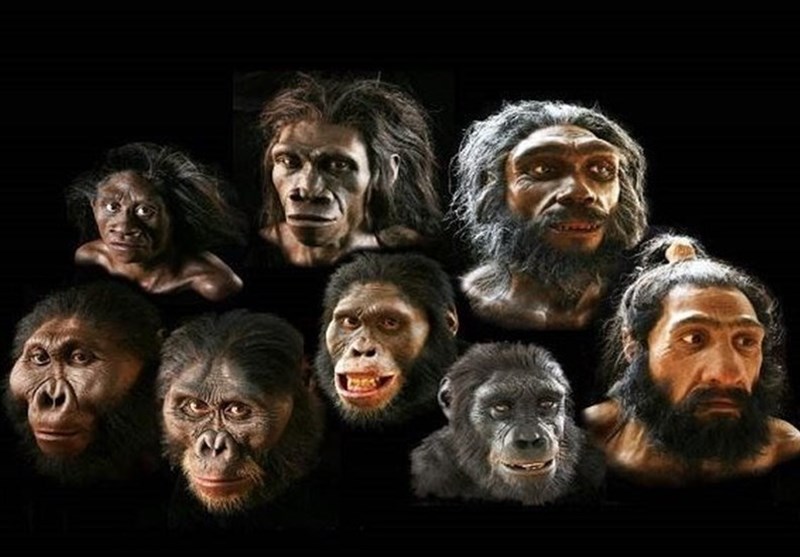
Are humans considered animals? This question encapsulates a vast array of philosophical and biological insights, particularly when viewed through the lens of cultural relativism. The dichotomy between human beings and other animals is a longstanding debate that encompasses various domains, including biology, psychology, anthropology, and ethics. Exploring this question invites a multifaceted exploration into our understanding of human nature, social constructs, and the interplay of culture and biology.
Biologically, humans belong to the kingdom Animalia, and more specifically, to the phylum Chordata and class Mammalia. This classification signifies that humans share fundamental traits with other animals, such as cellular structure, reproductive mechanisms, and evolutionary history. From a taxonomic perspective, humans and animals are undoubtedly linked. However, the distinctions often arise not from biological differences but from the cultural frameworks within which these classifications are situated.
Humans exhibit certain anatomical and physiological traits that differentiate them from non-human animals. These include advanced cognitive capabilities, sophisticated language systems, and the capacity for abstract reasoning. Such characteristics have historically been used to justify a perceived hierarchy with humans at the apex. This anthropocentric view neglects the complex emotions and social structures inherently present in many animal species, thereby raising questions about the validity and ethics of such a hierarchy.
Philosophically, the conception of humanity as distinct from the animal kingdom is closely associated with dualistic theories, particularly those stemming from Cartesian thought. René Descartes famously postulated that humans possess a non-material mind, distinguishing them from the corporeal existence of animals. This perspective has lingered in various philosophical traditions and continues to influence contemporary attitudes towards animal rights and welfare. It raises critical ethical considerations regarding the treatment of non-human animals, suggesting a need for a more egalitarian approach to our interactions.
The debate also intersects with concepts of cultural relativism, which posits that beliefs, values, and practices are understood relative to individual cultures, rather than as absolute truths. Different cultures have varied in their perceptions of the human-animal relationship. For instance, many Indigenous cultures regard animals as kin, deserving of respect and reverence, thus challenging mainstream Western notions of human superiority. This principle of cultural relativism invites a reassessment of the ethical implications of viewing humans as superior beings and promotes the recognition of agency and personhood in other animal species.
To further understand this conundrum, one must consider the historical context surrounding the human-animal dichotomy. In ancient philosophies, such as those proposed by Aristotle, a clear demarcation exists between humans and animals based on rationality and moral agency. Aristotle posited that humans are the only “rational animals,” a stance that has influenced the Western canon for centuries. However, this reflection on reason and morality simultaneously distances humans from the natural world, fostering an artificial separation that can have profound repercussions for both ecological and ethical perspectives.
In contrast, contemporary zoological studies have revealed a myriad of cognitive and emotional complexities inherent in various animal species. Studies demonstrating empathy, tool usage, and problem-solving abilities in species such as elephants, dolphins, and chimpanzees challenge the historically entrenched belief that rational thought is the exclusive domain of humans. The expanding body of evidence supporting animal intelligence necessitates a reevaluation of what it means to be human and how one defines personhood across species lines.
Moreover, this exploration of human-animal relations is underscored by the emergence of new fields of study, including animal studies, which interrogate the interconnections of culture, society, and non-human entities. These studies advocate for a more nuanced understanding of animal agency, autonomy, and their inherent rights within a sociocultural context. Such academic advancements are vital for fostering a more equitable dialogue regarding our ethical responsibilities towards non-human animals.
As we consider the implications of equating humans with animals, we must also engage with the ethical frameworks that arise from such considerations. Utilitarianism, for example, posits that the moral worth of an action is determined by its contribution to overall pleasure or pain, suggesting that humans and non-human animals should be granted consideration in ethical decision-making. Alternatively, the deontological perspective argues for intrinsic rights based on inherent dignity, positing that all beings, regardless of their cognitive capabilities, deserve moral consideration.
The implications of these varying philosophical perspectives are far-reaching. In a practical sense, they manifest in legislative measures regarding animal welfare, environmental conservation, and biodiversity. Understanding humans as a subset of the animal kingdom could propel policies that protect both humans and non-humans, promoting a holistic approach to ethics that acknowledges the interdependence of all life forms.
In conclusion, the question of whether humans are considered animals transcends mere classification. It involves an intricate interplay of biological, philosophical, and cultural dimensions that challenge existing paradigms of superiority and agency. By recognizing humans as part of the animal kingdom, we may cultivate a deeper respect for our fellow beings and the ecosystems that sustain life on Earth. This philosophical and biological exploration not only expands our understanding of humanity but also emphasizes the urgent need to reevaluate ethical practices concerning non-human animals in our contemporary world.