Short Answer
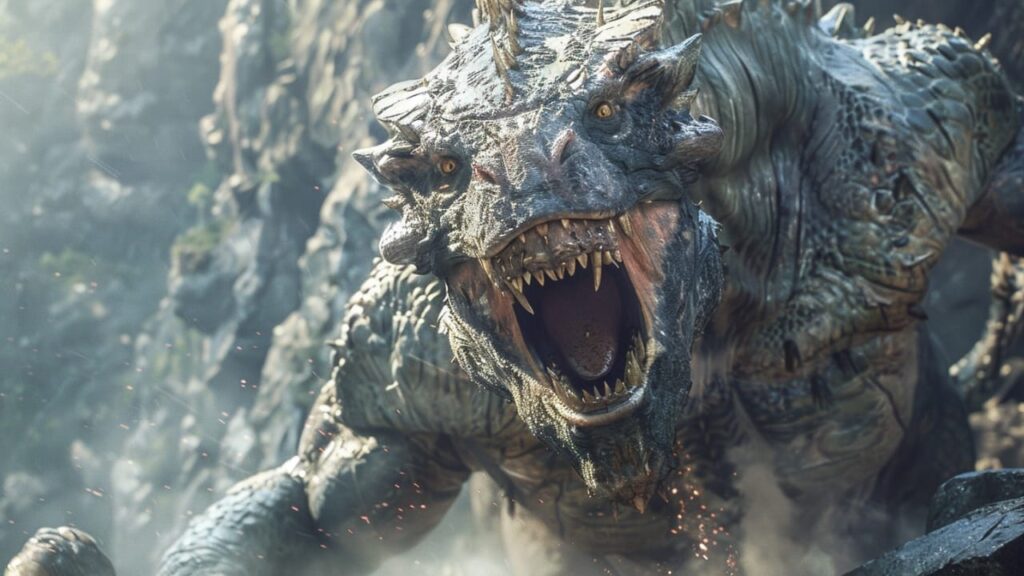
The concept of monsters has pervaded human culture for centuries, influencing folklore, art, and literature. This discussion around the existence of monsters transcends mere whimsy; it taps into deeply rooted sociocultural narratives that spur fascination and fear. To interrogate whether monsters are “real” necessitates an exploration of the intersections of mythology, psychology, and cultural relativism, providing a multifaceted framework for understanding the enduring appeal of these entities.
Cultural Relativism: A Framework for Understanding Monsters
Cultural relativism posits that beliefs and customs should be understood within the context of a specific culture rather than be judged against the standards of another. This principle applies importantly to the study of monsters. In the annals of human history, what constitutes a monster is not a static concept; it fluctuates depending on societal values, anxieties, and understandings of the natural world. For instance, in ancient Mesopotamia, figures like the Humbaba were considered taunting manifestations of nature’s wrath, embodying the fear of the unknown and the uncontrollable.
Monsters as Metaphors
Monsters often serve as potent metaphors for societal fears. The dragon in European lore acts not only as a terrifying creature but also symbolizes chaos and destruction, reflective of societal anxieties during periods of conflict or change. In this sense, monsters become tangible representations of intangible distress, providing a narrative framework that assists cultures in processing their fears and uncertainties. Consider the vampire legends that surged in Europe during the time of the Black Plague; these notions encapsulated the fears of disease, death, and the unknown.
Psychological Underpinnings
The psychological appeal of monsters also merits examination. Carl Jung’s theory of the ‘collective unconscious’ posits that archetypal images reside within societal psyches. Monsters embody these archetypes—a reflection of humanity’s shared fears and desires. The werewolf, for instance, represents the struggle against primal urges and societal norms; it exemplifies the conflict between civility and savagery. Thus, the fascination with these creatures derives not only from their otherness but also from their functionality in illustrating the internal conflicts of human nature.
The Role of Myth in Cultural Identity
In numerous cultures, myths and legends about monsters are integral to identity formation and cultural continuity. The Chupacabra of Puerto Rican folklore, for example, emerged amid economic distress and social instability, reflecting collective anxieties about the future and resonating with the community’s experience of adversity. Such monsters can engender unity within a culture, cultivating a shared narrative that upholds values, combats external threats, and fosters cohesion.
The Intersection of Science and Folklore
While folklore often comes with looser interpretations of reality, it can also be informed by empirical observations. Cryptozoology—the study of creatures whose existence is not substantiated by mainstream science—embodies a curious confluence of folklore and scientific inquiry. The existence of the yeti or Loch Ness Monster often finds its basis in anecdotal evidence and eyewitness accounts. Histories of exploration and colonialism propelled such legends into public consciousness, merging observation with cultural narrative. Thus, while these creatures may not exist within the parameters of scientific validation, their legitimacy thrives through societal belief systems.
Contemporary Manifestations of Monsters
In the contemporary milieu, the fascination with monsters persists, manifesting through various mediums such as film, literature, and digital media. Monsters in modern narratives often reflect contemporary fears: climate change manifests as a monstrous force in popular media, symbolizing humanity’s struggle against the resilience of nature and the consequences of environmental negligence. This evolution indicates an adaptive quality of monster narratives, continually reshaping to resonate with current existential dilemmas.
Sociopolitical Implications of Monster Narratives
Monster narratives are not devoid of sociopolitical implications. The demonization of the ‘other’ in political contexts frequently utilizes monstrous imagery to justify marginalized treatment or to incite fear. This can be observed in the portrayal of immigrants or political adversaries as monstrous figures, thereby legitimizing prejudice and hostility. Thus, understanding monsters through a cultural relativism lens unveils deeper insights into societal structures, power dynamics, and the representation of fear within the fabric of society.
Conclusion: The Realness of Monsters
To contend whether monsters are real is to engage with a far more complex dialogue than mere existence. They embody the psychological, cultural, and sociopolitical landscapes of humanity, echoing our innermost fears and aspirations. Within the framework of cultural relativism, monsters become tangible manifestations of societal concerns—narratives through which cultures navigate their realities. Consequently, the inquiry into the existence of monsters reveals a truth that transcends the preternatural; it illuminates the depths of human experience itself. In this way, monsters are very much real, for they dwell in the labyrinthine corridors of our imaginations, fears, and cultural identities.
FAQ
Are monsters based on real creatures?
While many monsters originate from folklore and mythology, some are inspired by real animals or misunderstood natural phenomena. However, most legendary monsters lack scientific evidence of actual existence.
Why do different cultures have different monsters?
Different cultures create monsters based on their unique fears, environments, values, and historical experiences, leading to a variety of monstrous figures that reflect those societies' concerns.
What role do monsters play in psychology?
Monsters often symbolize internal human fears and conflicts, representing archetypes in the collective unconscious and helping individuals and societies process complex emotions and societal issues.
Is cryptozoology a science?
Cryptozoology studies creatures whose existence is unverified by mainstream science. It blends folklore, anecdotal evidence, and scientific inquiry but is considered a pseudoscience by most mainstream scientists.
How do monster stories influence culture today?
Modern monster stories reflect contemporary issues such as environmental concerns, social fears, and political anxieties, continuing the tradition of using monstrous figures to explore human challenges.


Leave a Reply