Short Answer
The Stone Age marks a pivotal epoch in human history; it encapsulates the ingenious innovations that laid the foundations for future civilizations. The earliest tools, forged from rudimentary materials, serve as monumental artefacts that shed light on the cognitive and cultural development of early humans. One may ponder: how do such ancient tools illuminate our understanding of humanity’s evolutionary narrative? This inquiry invites us to traverse the treacherous terrain of cultural relativism, challenging preconceived notions about progress and sophistication in societal development.
The Stone Age, generally categorized into three distinct phases—Paleolithic, Mesolithic, and Neolithic—showcases a remarkable trajectory from the mere survival of hominins to more organized social structures. One of the most significant aspects of these artefacts is their multifaceted functionality, serving not merely as tools for hunting and gathering, but also as cultural symbols imbued with meaning. For instance, the bifacial hand axe, a hallmark of the Acheulean tradition, exemplifies a paradigm of efficiency and craftsmanship that was unprecedented for its time. More than a simple implement, it can be viewed as a testament to the cognitive capabilities of early humans, straddling the line between necessity and art.
Upon examining these artefacts through the lens of cultural relativism, it is essential to recognize that tools from the Stone Age cannot be evaluated solely by contemporary standards of utility or aesthetics. The way these tools were utilized and understood by their creators must be contextualized within their own cultural frameworks. This perspective challenges modern assumptions and reflects the myriad ways in which human societies adapt to their environments. Indeed, what may appear primitive to the modern eye was often a sophisticated response to survival, embodying a confluence of knowledge, tradition, and innovation.
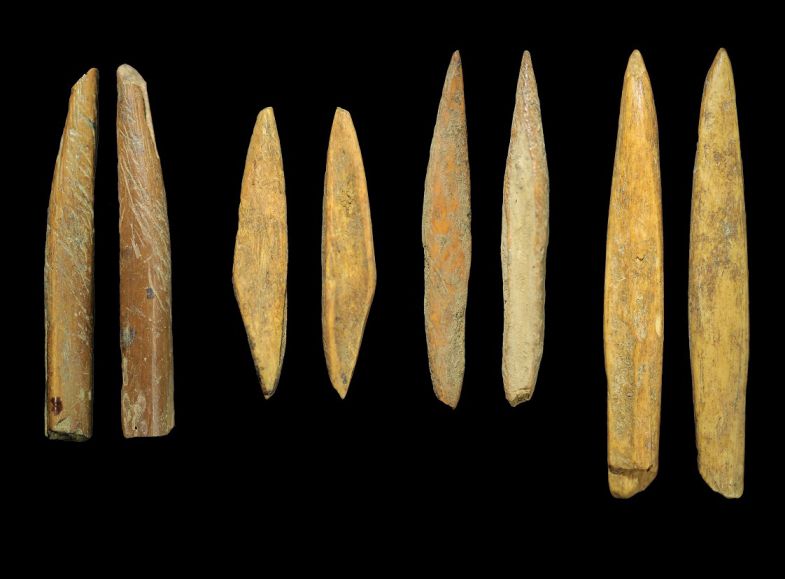
Take, for instance, the variations in tool-making techniques across different regions. The diverse technologies employed—from flint knapping to the use of antler in hunting implements—illustrate not only the adaptability of early human beings, but also the unique cultural fingerprints they left on their creations. These nuances reflect localized knowledge systems, deriving from environments as varied as the African savannas to European woodlands. Hence, the artefacts serve as both practical equipment and repositories of cultural heritage, inviting us to appreciate the complexity of human experience.
Moreover, the symbolic significance of Stone Age tools cannot be overlooked. Some artefacts, like decorated blades or ceremonial axes, may have played a role in rituals or social gatherings, thereby transcending their immediate functional applications. Such practices undoubtedly contributed to community cohesion and identity formation. The act of crafting these tools, steeped in cultural significance, reinforces the notion that early humans were not merely survivalists but also beings engaged in the cultural construction of their worlds. This raises a formidable question: can we perform an objective analysis of these artefacts when their meanings are inherently tied to the sociocultural contexts from which they emerged?
The archaeological record provides glimpses into the intricate relationship between artefacts and identity. For example, consider the discovery of stone tools alongside the remnants of dwellings. These findings reveal not just the material culture of a society but also its values, rituals, and social structures. What does it mean that certain tools were cherished or discarded? The discard patterns can reveal significant insights into cultural practices, conservation methods, and even trade networks. Such interpretations invite a nuanced understanding that transcends the simplistic dichotomy of “civilized” versus “primitive.”
Furthermore, the discourse surrounding Stone Age artefacts poses challenges to contemporary narratives about progress. The notion of linear evolutionary advancement is often simplistic; rather, it is imperative to appreciate the diverse avenues of existence that have flourished across different epochs. Each tool—a point, a blade, a burin—represents not just an innovation but a way of life, tailored to specific ecological niches and social circumstances. As we reflect on the elegance of these tools, we recognize that they tell stories of adaptation, resilience, and creativity in the face of environmental challenges.
In examining the convergence of tool-making and cultural identity, it becomes evident that artefacts function as touchstones for cultural self-understanding. They echo the philosophies, beliefs, and practices of early human societies, encapsulating knowledge that was often held in communal memory rather than written form. In this light, the artefacts challenge the modern narrative that privileges literacy and written records as primary vehicles of cultural transmission. The unwritten knowledge embedded in Stone Age tools underscores the importance of recognizing the validity of diverse modes of knowing.
Ultimately, the exploration of artefacts from the Stone Age through a cultural relativism lens taps into broader themes of identity, adaptation, and the human condition. By questioning the dominant narratives that have framed our understanding of progress, it becomes apparent that these ancient tools are far more than simple instruments. They embody the richness of human experience and echo the stories of those who came before us, urging a reflection upon our own cultural biases and the assumptions we carry into contemporary discourse.
In conclusion, as we unearth the remnants of humanity’s earliest tools, we are invited to engage in a deeper dialogue about what it means to be human. The artefacts serve not merely as artefacts of survival but as testaments to the intricate tapestry of culture, identity, and existence. They remind us that the journey of humanity is not a linear trajectory but rather a complex interplay of experiences, perspectives, and narratives that are as multifaceted as the tools themselves.
FAQ
What are the main phases of the Stone Age?
The Stone Age is typically divided into three phases: Paleolithic, Mesolithic, and Neolithic, each representing different stages of technological and social development.
Why are Stone Age artefacts important for understanding human history?
Stone Age artefacts provide insights into early human cognitive abilities, cultural practices, and adaptation strategies, illuminating the evolutionary narrative of humanity.
How do cultural relativism perspectives affect the interpretation of Stone Age tools?
Cultural relativism emphasizes understanding Stone Age tools within the context of their own societies rather than through modern standards, highlighting diverse meanings and uses.
What types of materials were used to make Stone Age tools?
Stone Age tools were primarily made from materials like flint, stone, and antler, utilizing techniques such as flint knapping for shaping.
Did Stone Age tools have symbolic or ritual significance?
Yes, some tools like decorated blades or ceremonial axes likely had symbolic roles in rituals or social cohesion beyond practical use.




Leave a Reply