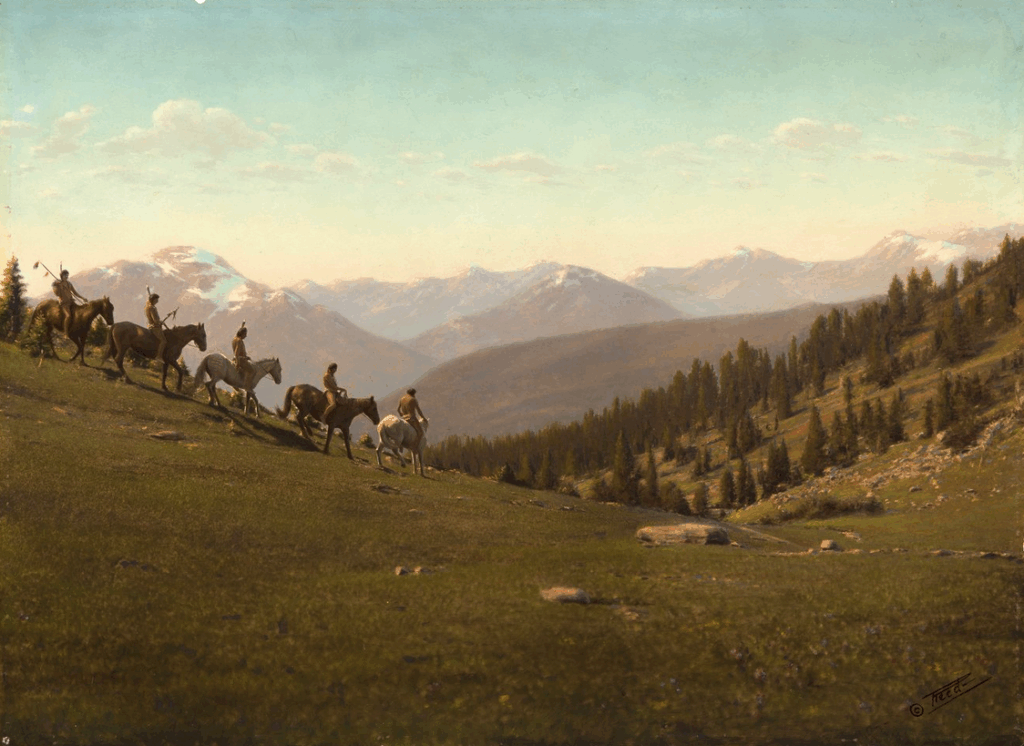
Short Answer
The allure of authentic Native American photographs from the 1800s beckons observers, entreating them to peer into a world that has largely dissipated. These images, captured through the lens of early photography, offer a poignant illustration of a complex socio-cultural tapestry. They allow contemporary audiences to confront the multifaceted identities of Indigenous peoples, their lived experiences, and the profound historical narratives that have shaped their existence. Yet, such fascination often plumbs the depths of deeper ideological currents, fostering an exploration of cultural relativism as a lens through which to interpret these historical artifacts.
Critically, the late 19th century marks a tumultuous epoch in Native American history. It was a time characterized by both the encroachment of Euro-American settlers and a frenetic confluence of technological advancement and artistic expression. The advent of photography served as a revolutionary medium, enabling the documentation of peoples and cultures that were frequently marginalized or misrepresented in mainstream historical narratives. Through these images, we witness not only the aesthetic qualities of Indigenous life, but also the harrowing realities faced by Native communities.
One common observation regarding these photographs is the juxtaposition of romanticism and reality. Early photographers often adhered to a Eurocentric aesthetic that romanticized Indigenous traditions while simultaneously stripping them of their contextual significance. This practice remarks upon the inherent tensions in portraying a culture through an external lens, potentially perpetuating stereotypes rather than conveying authenticity. As viewers, it becomes our imperative to recognize the artistry involved in these images while maintaining an awareness of the historical complexities that underpin them.
Beneath this superficial fascination lies a deeper inquiry into cultural relativism—an examination of cultural practices, beliefs, and expressions existing in their own right, devoid of preconceived hierarchies. By viewing these photographs through a relativist perspective, one begins to appreciate the nuances of Native American identity in the 1800s. Different tribes, such as the Lakota, Navajo, and Cherokee, exhibited varied social structures, spiritual beliefs, and customs; a uniform narrative is inadequate in representing this diversity.
Moreover, contextualization is paramount. The photographs were often taken during a period when Native American communities were enduring immense strife, including forced removals, warfare, and cultural suppression. Recognizing the historical backdrop is crucial for understanding why specific moments were immortalized in photographic form. When we observe an image of a Native family adorned in traditional attire, we must ask—what is the story behind this moment? What cultural significance does it hold, not just as a relic of the past but as a testament to resilience? Such reflections compel a deeper appreciation of Indigenous narratives that have persisted despite systemic attempts at erasure.
Furthermore, the technology itself warrants exploration. The medium of photography was not merely a tool for documentation; it represented the cutting-edge of science and art in that era. Early photographers, many of whom were outsiders to Indigenous communities, wielded this technology with varying degrees of sensitivity and understanding. This raises ethical considerations about power dynamics within the photographic process. Who held the camera and who was portrayed? Invariably, the lens shaped perceptions and often dictated the narratives surrounding Native American life.
Engaging critically with these photographs invites a deeper contemplation about the role of representation in contemporary discussions around cultural identity. The impact of historical imagery continues to resonate, as Native American communities navigate ongoing struggles for visibility and authority over their own narratives. Visual representations serve as a potent reminder of the historical injustices faced by Indigenous peoples, but they can also act as vessels for reclamation and empowerment.
As we navigate these representations, it is imperative to acknowledge contemporary Indigenous voices that seek to redefine the discourse surrounding their history. The photographs from the 1800s encapsulate a moment in time; however, they also serve as a springboard for dialogues about cultural preservation, self-determination, and intergenerational storytelling. Understanding history through a lens of cultural relativism necessitates an active engagement with the present, ensuring that the stories of Native Americans are told by Native Americans themselves.
In conclusion, the fascination with authentic Native American photographs from the 1800s extends beyond a mere appreciation of historical artistry; it invites us to confront deeper socio-cultural dynamics that continue to shape Indigenous identity today. Through a careful analysis that intertwines the principles of cultural relativism, we gain a richer, more nuanced understanding of history—one that affirms the complexity and endurance of Native American cultures through the lens of time. Consequently, these images not only serve as historical records but also as calls to action, urging us to foster respect, understanding, and authentic representation as we grapple with the legacy of the past.
FAQ
What makes Native American photographs from the 1800s authentic?
Authentic Native American photographs from the 1800s are those taken during that period using early photographic technology, depicting Indigenous peoples in their cultural context, despite some images reflecting romanticized or Eurocentric perspectives.
Why is cultural relativism important when viewing these photographs?
Cultural relativism helps viewers understand Indigenous cultures on their own terms, avoiding stereotypes and appreciating the diversity and complexity of Native American identities and traditions represented in the photographs.
How did early photography impact the representation of Native Americans?
Early photography both documented Indigenous peoples and sometimes perpetuated stereotypes due to Eurocentric aesthetics and power dynamics, influencing how Native American history and culture were perceived.
What historical context is necessary to understand these photographs?
Understanding the 19th-century context of forced removals, warfare, and cultural suppression faced by Native American communities is essential to fully appreciate the significance and stories behind these images.
How do these historical photographs relate to contemporary Indigenous voices?
They serve as a starting point for dialogue on cultural preservation, self-determination, and the importance of Indigenous peoples controlling their own narratives today.



Leave a Reply