Short Answer
Life expectancy serves as a significant barometer of societal health, encompassing not just biological factors, but also cultural, socioeconomic, and environmental variables. In the UK, average life expectancy has garnered attention over the past several decades, sparking discussions around its implications for public health policy and individual lifestyle choices. But what does it mean to say that the average age to die in the UK is trending upward? And can we ask ourselves: is the increasing average life expectancy genuinely a marker of progress, or does it reflect deeper sociocultural undercurrents?
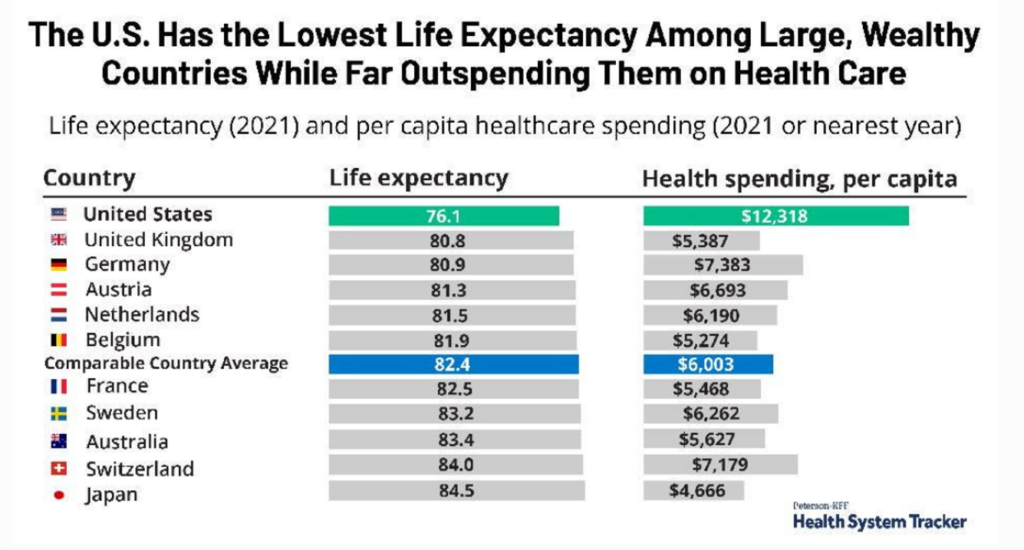
To answer these questions, it is essential first to delineate the statistical framework of life expectancy in the UK. As of recent years, the average life expectancy in the UK hovers around 81 years. Variations, however, exist by gender; women tend to live longer than men, with averages close to 83.4 years for women and 79.4 years for men. These stark differences beg further inquiry into the underlying causes.
Cultural relativism emphasizes understanding beliefs and values within their specific cultural contexts. With this lens, one can examine how British society has evolved in terms of health consciousness, lifestyle choices, and medical advancements. For instance, health promotion campaigns advocating healthier eating and active living represent shifts in public awareness and values aimed at prolonging life. Analyzing these initiatives offers insights into how cultural norms favoring well-being can directly affect longevity.
Moreover, societal perceptions of death and dying have transformed over the years. Once considered taboo, discussions around palliative care, the elderly population, and end-of-life decisions have become more commonplace. This shift toward transparency advances a more nuanced understanding of life expectancy, reflecting a culture that begins to grapple with mortality rather than fear it. The practical implications of these changes manifest in policies favoring public health and care facilities that cater to an aging population, suggesting a societal embrace of the challenges posed by increased longevity.
Yet, is increased life span synonymous with enhanced quality of life? Herein lies another conundrum. The term “compression of morbidity” suggests that while life expectancy grows, the years lived in poor health could be simultaneously abbreviated. This duality fosters debate. Does an average increase in years lived actually encompass a richer, more fulfilling life? Or does it merely extend years fraught with chronic conditions and diminished quality? To explore these questions, one must analyze the disparities across various demographic groups.
Socioeconomic status plays a pivotal role in shaping life expectancy. Individuals from affluent backgrounds with access to superior healthcare and education typically enjoy longer life spans compared to those in deprived communities. This phenomenon, a stark reality in the UK, calls attention to systemic inequalities. For example, men in the least advantaged areas may experience life expectancy upwards of 7-8 years shorter than their more prosperous counterparts. Understanding this disparity through the lens of cultural relativism highlights that the beliefs, habits, and social structures associated with different socioeconomic strata dictate health outcomes.
Environmental factors also contribute significantly to life expectancy trends. Urbanization, pollution, and living conditions serve to illuminate the relationship between lifestyle choices and longevity. In industrialized regions, heightened pollutants correlate with increased health issues such as respiratory diseases. How then do cultural attitudes toward environmental responsivity inform life expectancy? Communities that value and prioritize eco-friendly practices may engender a healthier population, creating a compelling intersection between environmental awareness and public health.
The increasing average age to die in the UK can also be framed within global contexts. Comparative analysis with other nations unveils intriguing cultural practices regarding aging and healthcare. Countries like Japan, known for their holistic approaches to elder care and family dynamics, often demonstrate higher life expectancies. These cultural differences illustrate how varied beliefs about aging and intergenerational relationships can shape public health outcomes.
Nonetheless, while probing these intricacies, it becomes essential to interrogate the concept of “normalcy” in life expectancy. The very definition of what constitutes a “good” or “desirable” life span may differ across cultural boundaries. Is it the mere accumulation of years, or should we factor in health, happiness, and vibrancy? Such reflective inquiries can lead to a broader understanding of how life expectancy is a culturally laden concept, intertwined with collective values and societal aspirations.
As we contemplate the trajectory of life expectancy in the UK, there arises a playful challenge: how might societal norms adapt as life spans continue to extend? Will the collective consciousness pivot toward a rejuvenated definition of elderly life? Or will a reliance on healthcare systems merely proliferate without addressing the core cultural values dictating healthy living? Such rhetorical inquiries are not merely intellectual exercises; they create a fertile ground for dialogue around public health priorities and cultural identity.
In conclusion, the trends surrounding average life expectancy in the UK encapsulate far more than mere statistics; they provoke profound reflections on culture, lifestyle, and societal structure. By engaging with the principles of cultural relativism, one can fathom the multifaceted narratives surrounding health and longevity, challenging simplistic interpretations of life expectancy. As the population continues to age, it becomes increasingly imperative to foster community dialogues that prioritize not just the number of years lived, but the quality of those years, paving the way for a more thoughtful consideration of life itself.
FAQ
What is the current average life expectancy in the UK?
The average life expectancy in the UK is approximately 81 years.
Why do women live longer than men in the UK?
Women live longer due to biological, lifestyle, and social factors, with averages of about 83.4 years compared to 79.4 years for men.
How does socioeconomic status impact life expectancy?
People in more affluent areas tend to live longer due to better access to healthcare, education, and healthier living conditions.
Do increases in life expectancy mean better quality of life?
Not always; longer life spans can sometimes include extended periods of poor health or chronic illness.
How do cultural attitudes affect life expectancy?
Cultural norms influence health behaviors and public health policies, impacting longevity and quality of life.





Leave a Reply