Short Answer
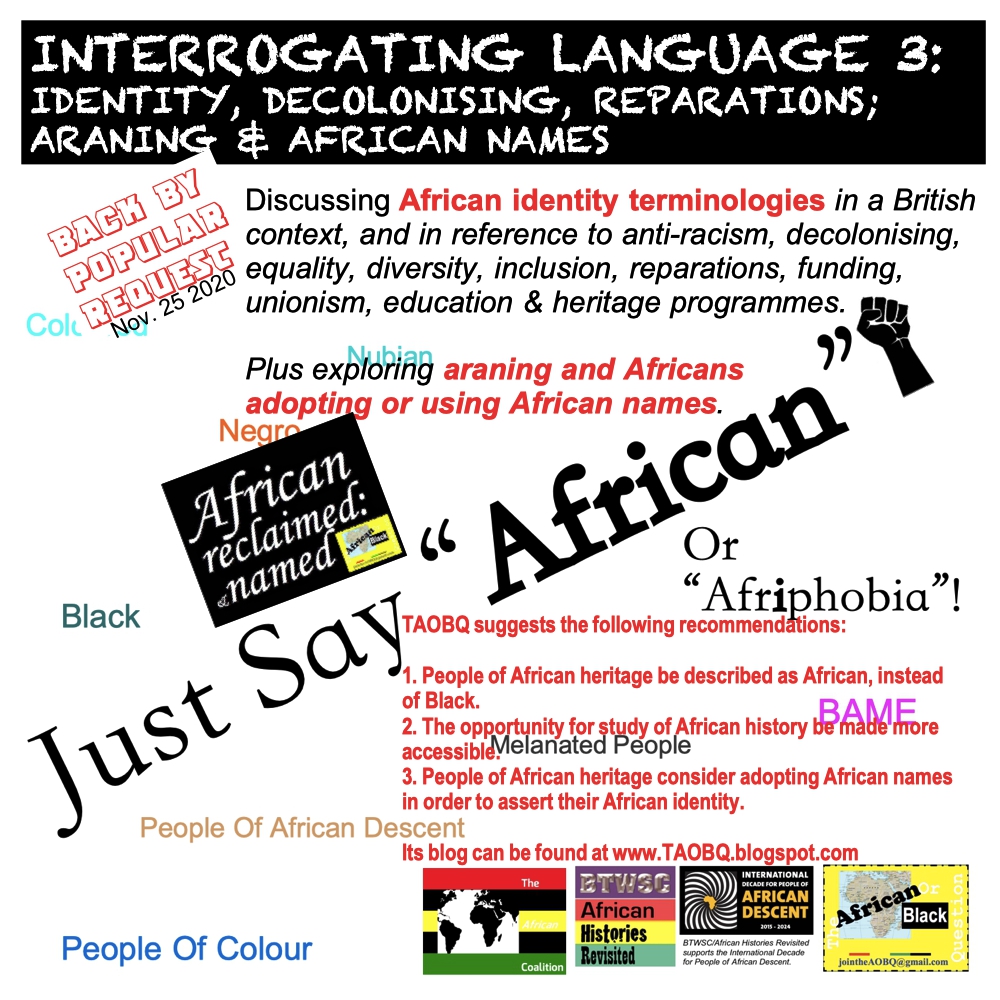
The discourse surrounding the N-word, particularly in the context of identity, language, and cultural relativism, is nuanced and steeped in historical significance. This discussion not only elicits passionate responses across various demographics but also unveils a complex interplay of linguistic reclamation, historical trauma, and contemporary cultural identity. In examining whether Africans, as well as members of the African diaspora, can utilize the N-word, it is imperative to consider the multifaceted dimensions of language, the weight borne by cultural contexts, and the implications of cultural relativism.
At the crux of the matter is the etymology of the N-word itself. Originally an affront, the term was wielded as an instrument of oppression, casting individuals of African descent as subhuman and perpetuating the systemic dehumanization intrinsic to slavery and colonialism. In the Americas, this derogatory moniker evolved within the African American community, ultimately undergoing a profound transformation. Reappropriation, as a linguistic strategy, has allowed some to reclaim the term, inscribing it with cultural significance that symbolizes resilience, solidarity, and a shared history of suffering.
This reclamation is particularly salient within African American vernacular, where the N-word, often articulated as “nigga,” functions as a term of endearment or camaraderie among peers. Importantly, this linguistic shift extends beyond mere phonetics; it embodies the lived experiences and historical narratives of African Americans, enveloping themes of agency and resistance. However, this recontextualization is not universally accepted or applicable, engendering debate within broader discussions of race and identity.
In exploring the capacity of Africans to utilize the N-word, it is essential to implement an approach steeped in cultural relativism. This anthropological perspective posits that cultural practices and beliefs must be understood within their specific contexts, eschewing ethnocentric judgment. The phenomenon of Africans engaging with the N-word is intricately bound to their unique narrative landscapes, which diverge significantly from those of African Americans.
Historically, many African countries have grappled with the legacies of colonialism, the impacts of which continue to shape contemporary identities. The experiences of Africans are not monolithic; they are defined by distinct languages, ethnicities, and socio-political environments. Consequently, the implications of using the N-word can vary dramatically. For some Africans, exposure to globalized culture via media and the Internet may normalize the use of the term, delineating a generational divide regarding its appropriateness. Young Africans may find themselves at a crossroads, oscillating between traditional cultural mores and the allure of diasporic identities that they encounter online.
This oscillation invites us to consider the intersectionality of linguistic identity within contemporary global culture. The N-word can serve as a potent symbol of diasporic connections, fostering a sense of belonging that transcends geographical and cultural boundaries. However, this erases the historical specificity attached to the term within the American context. The multifarious interpretations of the N-word therefore demand nuance; its usage can engender both solidarity and friction depending on the speaker’s lineage and the audience’s perception.
Moreover, the phenomenon of cultural appropriation complicates the framework further. The borrowing of linguistic elements across cultures can sometimes lead to a dissonance between intention and impact. Non-African individuals or those distanced from the legacy of the African American struggle may misinterpret the context in which the N-word has been reclaimed. This misapprehension exemplifies how cultural symbols can be co-opted, resulting in the dilution of their significance and potential perpetuation of harm.
In light of this, the question of whether Africans can or should say the N-word cannot be divorced from the historical, social, and psychological implications attached to it. Dialogues surrounding the term must consider the voices of those within African communities. Some may argue for a complete disavowal of the word, lamenting its connections to violence and historical oppression. Others may advocate for its reclamation as a means of bridging cultural divides and asserting agency. Each perspective illuminates a facet of identity and belonging, necessitating an understanding rooted in empathy and respect for personal experiences.
It is crucial to entertain the idea of linguistic fluidity. Language is not static; it morphs and adapts, reflecting the evolving landscapes of cultural identities. The capacity of individuals to navigate linguistic terrains is indicative of larger cultural dynamics. Cultural relativism emphasizes the significance of examining these transformations within their own socio-historical frameworks, allowing for an enriched comprehension of identity formation. This understanding fosters a discourse that honors the complexities of human experience rather than reducing them to binary oppositions.
Ultimately, the question of whether Africans can use the N-word necessitates a profound engagement with historical consciousness, contemporary identity politics, and the multifarious cultural landscapes in which these conversations occur. The term carries with it an extensive history of pain and resistance, and its usage cannot be disentangled from the legacies of racial trauma. Thus, engaging with the N-word requires a conscientious exploration of its implications, reverberating within the intricate tapestry that is cultural identity.
In conclusion, navigating the interplay of identity, language, and cultural context invites a dialogue that transcends simplistic binaries. It challenges all of us to reflect critically on our own positionalities and the meanings we ascribe to language. The discussion surrounding whether Africans, as well as those in the diaspora, can utilize the N-word is not merely a linguistic query; it embodies broader themes of identity, resistance, and the ongoing negotiation of cultural heritage.
FAQ
Can Africans say the N-word?
The usage of the N-word by Africans varies depending on cultural and historical contexts, with some viewing it as inappropriate due to its oppressive origins, while others engage with it through diasporic cultural influences.
What does linguistic reclamation mean in this context?
It refers to marginalized groups transforming a historically derogatory term into one of empowerment and identity, particularly seen in African American communities.
How does cultural relativism influence this discussion?
Cultural relativism promotes understanding the term's significance within different cultural contexts, avoiding ethnocentric judgments.
Why is the N-word controversial?
Because of its historical use as a tool of oppression and its complex reclamation, its usage remains sensitive and debated among various communities.
What is the difference between African and African American use of the N-word?
African American use often involves reclamation and camaraderie, while African perspectives vary widely depending on historical, cultural, and generational factors.



Leave a Reply