Short Answer
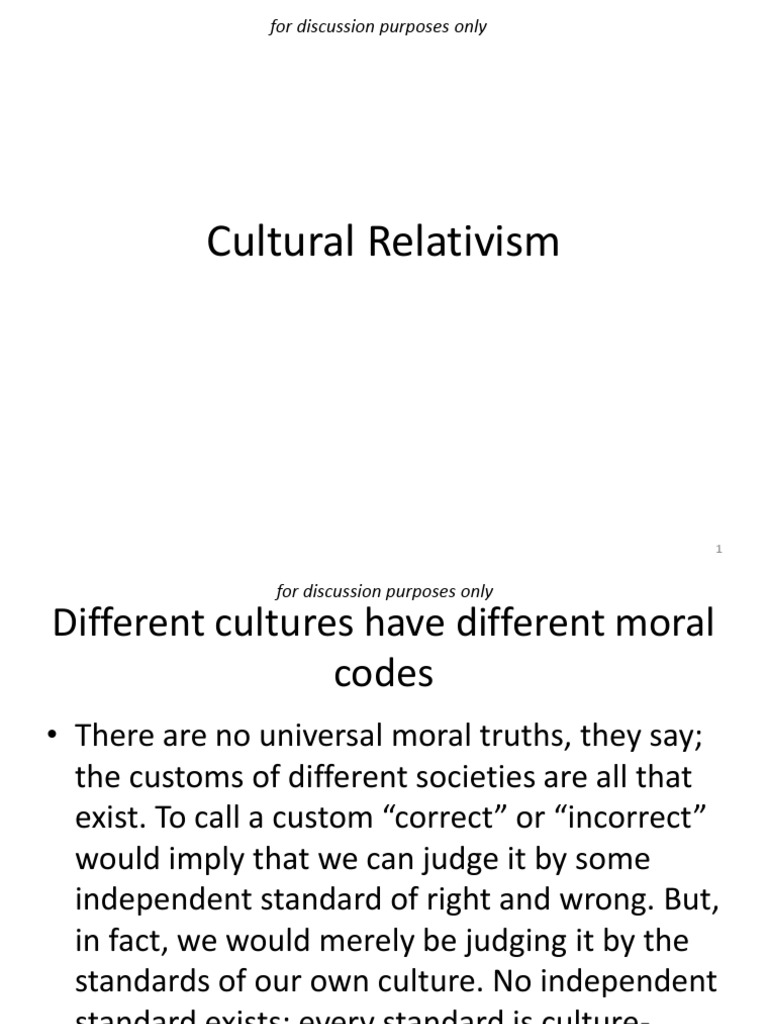
Cultural relativism is a crucial concept in the fields of anthropology, sociology, and ethics. It posits that a person’s beliefs, values, and practices should be understood based on that person’s own culture rather than be judged against the criteria of another culture. This perspective encourages a more nuanced understanding of human behaviors and societal norms. One of the most compelling arguments for cultural relativism hinges on the assertion that it fosters tolerance and understanding among diverse populations.
At its core, cultural relativism challenges the notion of ethnocentrism—the belief that one’s own culture is superior to others. Ethnocentrism often leads to misinterpretations and conflicts, whereas cultural relativism encourages individuals to appreciate the rich tapestry of human experience. By recognizing that different cultures have their unique frameworks for interpreting the world, cultural relativism mitigates the tendency to label other customs as ‘backward’ or ‘insensible’.
Embracing cultural relativism cultivates an atmosphere of tolerance. In a globalized society, where interaction among disparate cultures has become ubiquitous, an understanding of cultural relativity is essential. It allows individuals to engage with varying practices and beliefs without prejudice. This is particularly pertinent in discussions surrounding controversial issues such as gender roles, religious expression, and dietary customs, which might starkly differ across cultural boundaries.
Moreover, the argument for cultural relativism aligns with the principles of moral and ethical pluralism. Moral pluralism asserts that there is no single correct way to decipher moral dilemmas, as ethical theories are contingent upon cultural contexts. This idea can be remarkably powerful when discussing human rights. For instance, rights and privileges recognized in one part of the world may not hold the same significance in another due to different cultural understandings. The belief in cultural relativism encourages dialogue rather than dictation, allowing for more inclusive discussions regarding human rights.
Critics of cultural relativism often raise concerns regarding its implications for accountability, especially in instances of severe injustices like genocide or systemic oppression. This critique is valid, but it important to consider the premise of cultural relativism in a more nuanced manner. While it advocates for non-judgmental understanding, cultural relativism does not necessitate passive acceptance of heinous acts; rather, it invites a broader conversation about the context and interpretations of such actions. The dialogue around cultural practices should not be about absolving wrongdoings but rather understanding the diverse motivations and historical circumstances behind them.
Another significant aspect of cultural relativism is its role in preserving cultural diversity. In a world increasingly dominated by global capitalism and cultural homogenization, cultural relativism acts as a counterbalance that honors the distinctiveness of various ethnic and cultural identities. Cultivating an appreciation for diverse perspectives enriches our collective social fabric. For example, indigenous practices often include sustainable ecological approaches that have been honed over generations. A cultural relativist viewpoint would recognize the value of these practices in the broader conversation about environmental sustainability.
Equally important is the recognition that cultural relativism promotes self-reflection. It demands an introspective look at one’s own cultural biases and demands humility in the face of differing worldviews. Everyone possesses a certain degree of cultural bias, influenced by societal norms and upbringing. Engaging with cultural relativism encourages individuals to confront these biases and foster a more empathetic global outlook. Such self-reflection can pave the way for collaborative efforts to tackle global challenges, like climate change, by drawing on diverse cultural insights.
The notion of cultural relativism is also pivotal in education. A curriculum rooted in cultural relativism fosters critical thinking skills by exposing students to a variety of cultural perspectives. It cultivates awareness and understanding, enabling students to appreciate complexity and ambiguity in social issues. This educational model not only prepares students to thrive in a multicultural world; it also encourages them to collaborate across cultural lines and seek out diverse solutions to global problems.
In summary, the most convincing argument for cultural relativism rests upon its ability to foster tolerance, encourage moral pluralism, support cultural diversity, and promote introspection. By nurturing an understanding of diverse cultural practices and beliefs, we can diminish ethnocentric biases and embrace a global society enriched by its variety. Such an outlook is not merely an academic notion; it has real-world implications. It stands to benefit global societal interactions, enhancing cooperative efforts in addressing pressing issues, including social justice and environmental conservation.
Ultimately, cultural relativism is not a call for an unqualified acceptance of all cultural practices. Rather, it invites a dialogue that promotes understanding over judgment. It is this very dialogue that is essential for fostering mutual respect and collaboration across cultural frontiers, which is increasingly important in today’s interconnected world.
FAQ
What is cultural relativism?
Cultural relativism is the idea that a person’s beliefs and practices should be understood based on their own culture rather than judged against another culture’s standards.
Why is cultural relativism important?
It fosters tolerance, reduces ethnocentrism, promotes moral pluralism, supports cultural diversity, and encourages self-reflection.
Does cultural relativism mean accepting all cultural practices?
No, it promotes understanding and dialogue rather than unqualified acceptance, especially regarding harmful practices.
How does cultural relativism relate to human rights?
It encourages inclusive discussions recognizing that human rights may be interpreted differently across cultures.
Leave a Reply