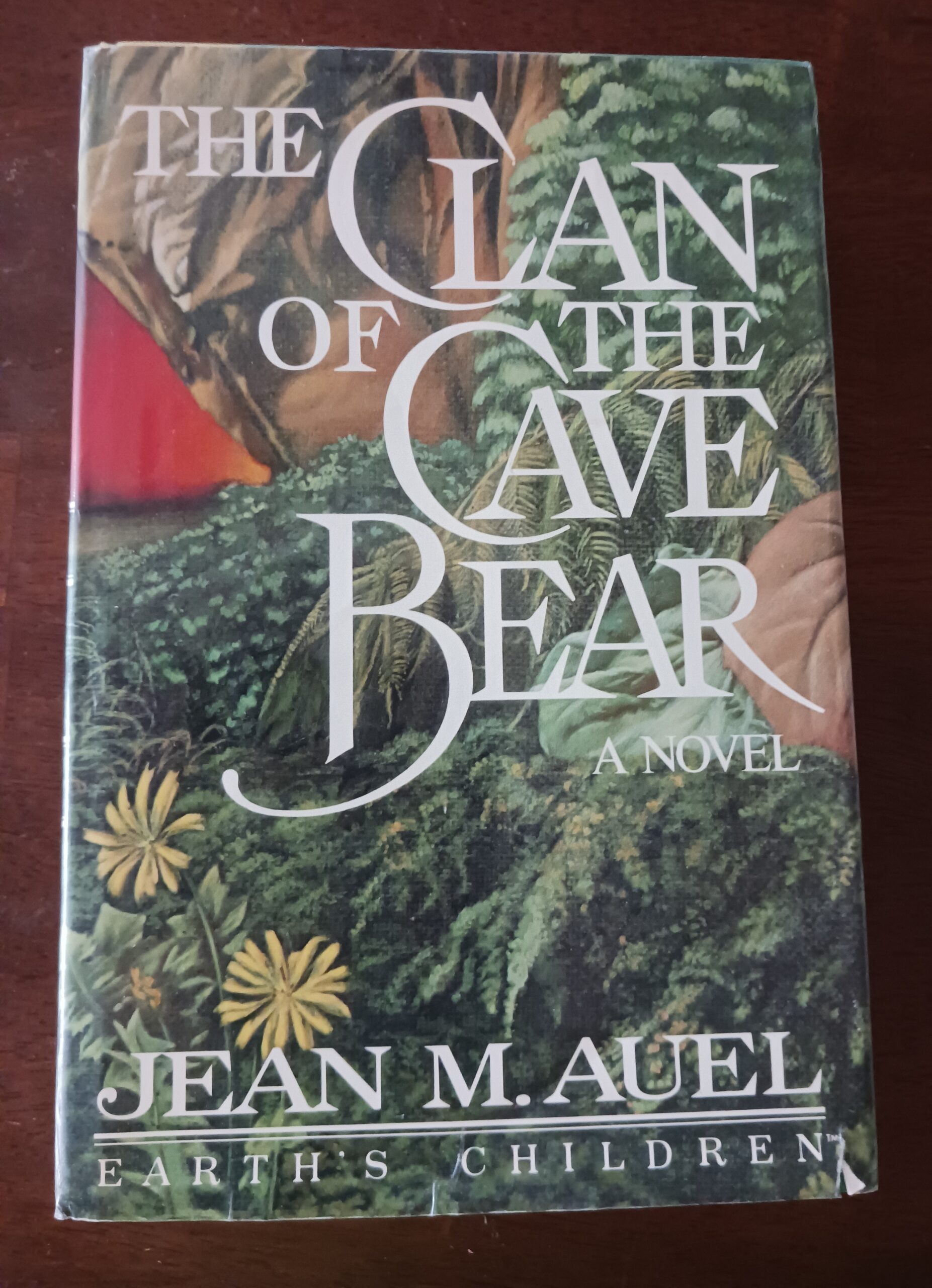
The Clan of the Cave Bear, an iconic work by Jean M. Auel, offers readers an intricate portrayal of prehistoric life through the lens of cultural relativism. Set during the Upper Paleolithic era, this novel delves into the trials and tribulations of Ayla, a young Cro-Magnon woman, as she navigates the complexities of survival and cultural integration within a clan of Neanderthals. This exploration of human evolution is far more than a mere narrative; it provides profound insights into the intricacies of human behavior, societal structures, and the fluidity of cultural identity.
Cultural relativism, a cornerstone of anthropological thought, posits that beliefs, values, and customs should be understood within their own cultural context rather than judged against the standards of another culture. Auel’s narrative illuminates this tenet, inviting readers to consider the disparate survival strategies and social norms of Cro-Magnons and Neanderthals. As Ayla grapples with her identity amid the clan’s rigid structures, readers are prompted to reflect on the friction between instinctual behavior and ingrained cultural practices.
In exploring the dynamics of kinship within the clan, the narrative meticulously illustrates the importance of familial ties and group cohesion. The clan’s matriarchal structures are vividly brought to life, showcasing the communal reliance on shared resources and collective child-rearing, juxtaposed against Ayla’s individualistic tendencies. This contrasts not only highlights character development but also pushes the reader to question the essence of societal organization. It is through this lens that the reader can appreciate the thematic depth of cooperative survival versus self-reliance.
A notable aspect of Auel’s work is her unwavering attention to detail regarding prehistoric life. Through her extensive research and immersion in anthropology, she crafts a world that is both plausible and captivating. The flora and fauna of the Ice Age become central characters in the narrative, shaping the clan’s survival strategies. The delicate balance between human and environment emerges with clarity; for instance, Ayla’s use of medicinal plants underscores the deep-rooted knowledge possessed by hunter-gatherer societies. This knowledge is presented not merely as practical wisdom but as a vital part of the cultural tapestry, engaging readers to acknowledge the sophisticated understanding ancient peoples had of their surroundings.
One of the most compelling elements of The Clan of the Cave Bear is its treatment of language and communication. The novel poses intriguing questions about the evolution of language as a vehicle for cultural expression. Ayla’s journey is fraught with miscommunication and misunderstanding, reflective of her outsider status within the clan. The use of non-verbal cues and gestural communication emphasizes the significance of embodied knowledge, providing a fertile ground for discussions about the nuances of intergroup relations. As the reader observes Ayla’s attempts to assimilate, the narrative beckons a deeper inquiry into the implications of linguistic diversity and the power dynamics embedded within language.
Moreover, Auel’s portrayal of sexuality and gender roles invites a critique of contemporary views on these subjects. The intricate depiction of gender dynamics reveals societal expectations levied upon men and women. Ayla’s unconventional approach to gender transcends traditional roles, revealing aspects of femininity and masculinity that challenge the rigid confines often associated with prehistoric narratives. This exploration gives rise to a broader discourse on the fluidity of gender and the role of women in ancient societies, reflecting an era where survival dictated capability rather than adherence to fixed gender roles.
The novel also posits intriguing considerations regarding spirituality and religious practices. The clan’s close relationship with the spirit world offers a potent commentary on the ways human societies have historically conceptualized the divine. Through Ayla’s spiritual journey, Auel navigates themes of animism and reverence for nature, illustrating humanity’s long-standing quest for understanding beyond the material realm. Such themes resonate deeply in an era increasingly marked by a disconnection from nature, posing a challenge for readers to reflect upon their spiritual or existential beliefs in contemporary settings.
The cultural dichotomies presented in the narrative foster an awareness of historical divergence and convergence. Ayla’s eventual acceptance by the clan, despite her unique ways, engenders discussions about cultural assimilation and the potential for growth through intercultural exchanges. This seamless merging of identities blurs the lines of cultural absolutism, urging readers to consider the implications of hybrid identities in our own societies.
As readers traverse through the pages of The Clan of the Cave Bear, they are not merely engaging with a story set in distant times; they are invited into an anthropological exploration that mirrors the complexity of human societies, both past and present. The narrative serves to enlighten and challenge, compelling an understanding rooted in respect for diversity. The reflections upon cultural relativism and its intertwined nature with survival, identity, and social structures beckon readers to look beyond the surface and delve into the rich tapestry of human experience.
Ultimately, The Clan of the Cave Bear is a landmark exploration that transcends its narrative confines. As a work of fiction, it holds the power to shape perceptions and provoke thoughts about prehistoric societies and contemporary issues alike. Through an anthropological lens, Auel crafts an enduring saga that not only educates but also resonates, encouraging deeper inquiry into the human condition.