Short Answer
The Stone Age, an epoch characterized by the advent of humanity’s earliest technologies, has left a profound imprint on cultural practices, one of which is clothing. The evolution of clothing during this era offers a fascinating glimpse into the interplay between function and fashion, filtered through the lens of cultural relativism. To understand the myriad ways clothing was conceived, one must consider the environmental, social, and spiritual dimensions that shaped its development.
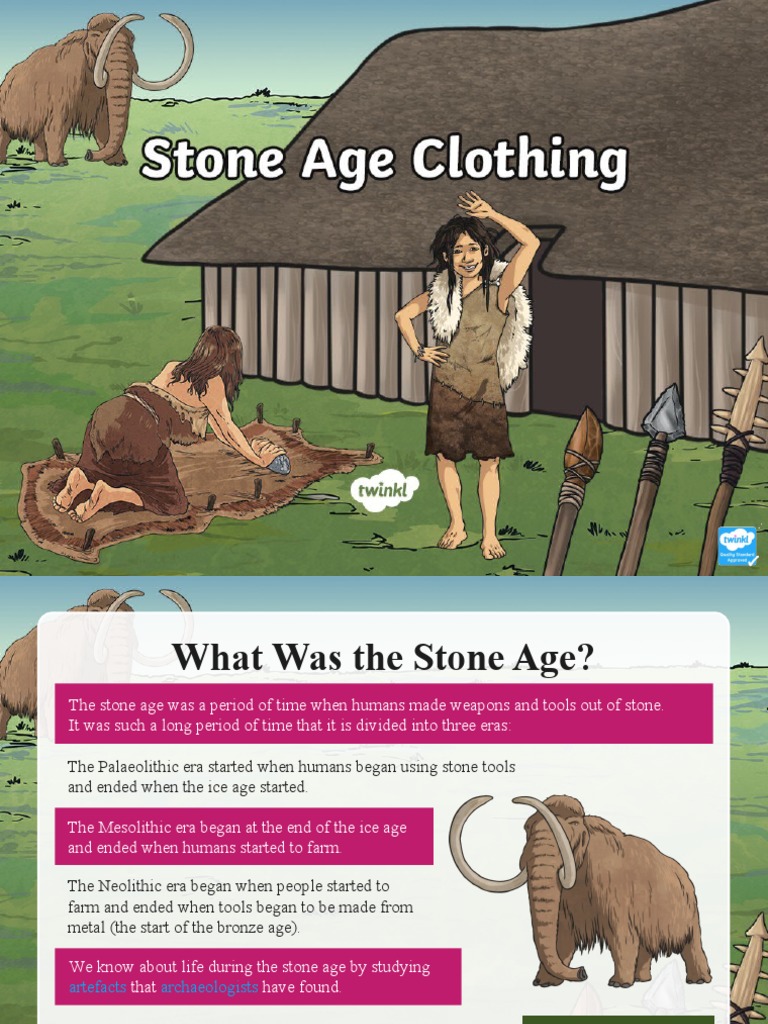
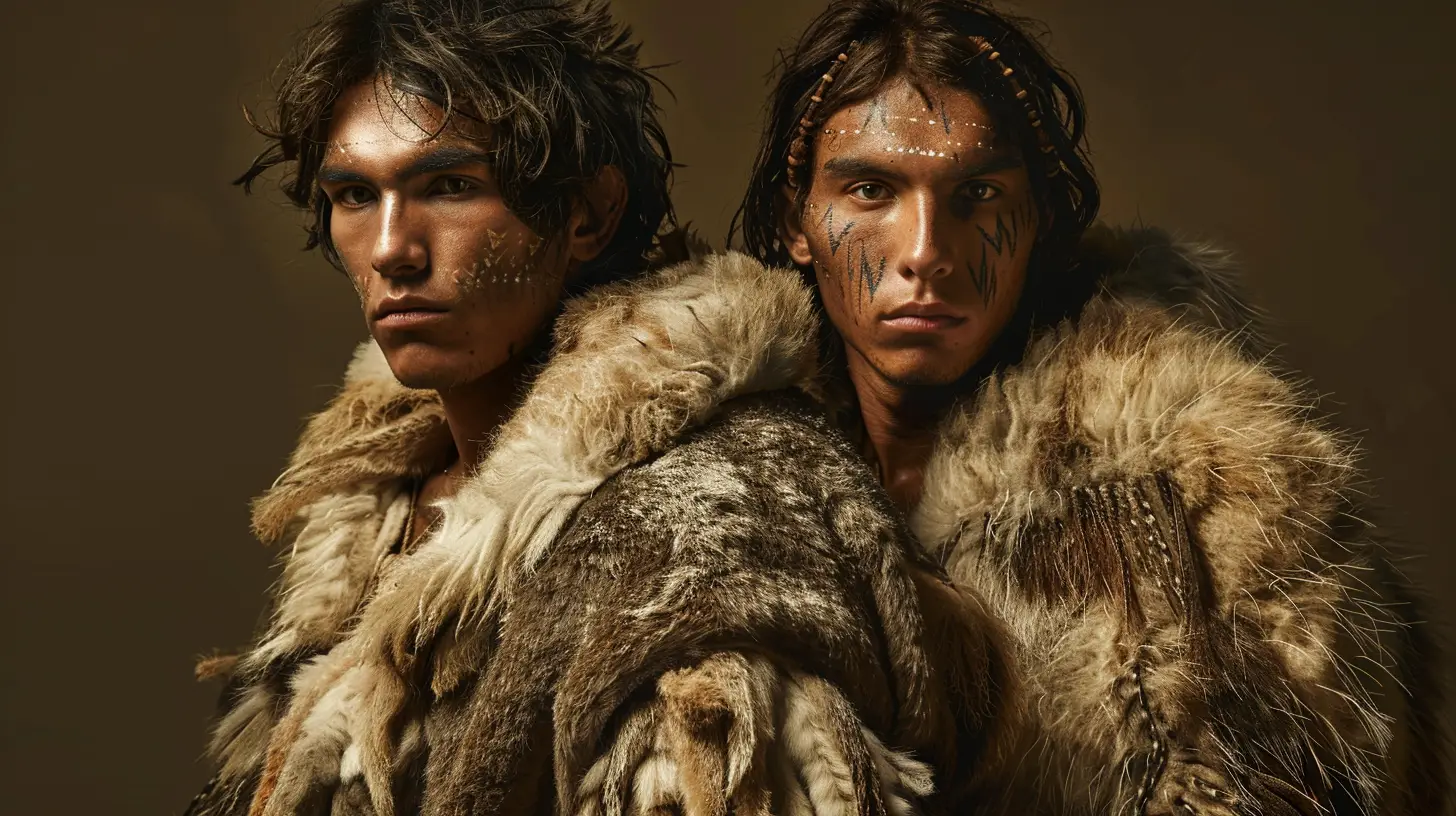
Initially, clothing served a primary utilitarian purpose: protection from the myriad elements of nature. Early humans inhabited a world rife with challenges—from chilling temperatures to the threat of predation. Thus, the earliest garments were likely crafted from readily available materials such as animal hides and furs. This choice reflects a profound understanding of the environment. The sturdy exterior of animal skin provided a barrier against harsh weather, while also serving as a means of mobility and survival.
As humanity transitioned from the Paleolithic to the Neolithic period, the role of clothing began to evolve considerably. The Neolithic era, marked by the advent of agriculture, brought not only fortified settlements but also a burgeoning sense of community and identity. This period saw a diversification in the types of materials utilized for clothing, as people began to weave fibers from plants such as flax and cotton, resulting in fabric that was lighter and potentially more aesthetically pleasing than the heavier hides that dominated earlier garments. Such innovation exemplified a shift from survival to a nascent form of personal expression through clothing.
The introduction of weaving technology represented a critical juncture in clothing evolution. As communities settled and farming flourished, the availability of a variety of raw materials expanded. Textiles became not merely protective gear but also a canvas for cultural expression. Cloth dyed in vibrant shades, achieved through natural dyes procured from plants and minerals, began to signify not only individual preference but also social status and group identity. In some societies, colors flooded with cultural significance became a reflection of local myths, religious practices, and even social hierarchies.
From a cultural relativism perspective, clothing in the Stone Age can be contextualized as a manifestation of cultural identity. The apex of functionality in garments must be considered alongside the sociocultural dynamics that fueled their evolution. For instance, the variation in clothing styles based on geography is telling. In colder climates, layered furs effectively insulated wearers against frigid temperatures, while in warmer regions, loose-fitting garments made from breathable fibers were preferred—a testament to the intricate relationship between human adaptation and environmental exigencies.
Moreover, clothing functioned as a medium for socio-cultural rites and rituals. Among some tribes, the donning of specific garments signified readiness for communal events, be it a harvest festival or a spiritual rite. The significance of clothing was not limited to mere aesthetic appeal; it bore a tangible connection to norms, values, and belief systems. For instance, clothing worn during initiation ceremonies often conveyed a transition from one social status to another, revealing how garments served as conduits of societal messaging.
Jewelry and adornments further illustrate the evolution of clothing from mere practicality to forms imbued with cultural significance. Shells, bones, and primitive forms of beads pieced together to create necklaces and bracelets exemplified early human creativity and the desire to enhance one’s appearance. The adornment not only signified beauty but also served as an indicator of belonging—or sometimes exclusion—within social frameworks. This complexity illustrates how superficial elements of clothing transcend mere adornment and become integral to cultural signaling.
The symbolic dimensions of Stone Age clothing challenge the notion that function and fashion occupy mutually exclusive domains. Instead, they coalesced to reflect broader human experiences. The early Homo sapiens, clad in garments that safeguarded their corporeal existence, simultaneously communicated their identity and place within their social milieu. The use of clothing varied dramatically across cultures, illustrating that what might be deemed fashionable in one group could be inconsequential or even repugnant in another. Such variability underlines the concept of cultural relativism, whereby norms associated with clothing are understood within their cultural contexts rather than through a normative lens.
The negotiation of gender norms within Stone Age clothing provides further depth to this exploration. While early garments were largely utilitarian, sexual and gender distinctions began to emerge as communities became more structurally complex. The allocation of specific clothing styles and designs for men and women reflected prevailing societal roles and expectations. This bifurcation, much like other aspects of social life, was influenced by a confluence of necessity, tradition, and locality, paving the way for garment conventions that echoed throughout subsequent epochs.
In conclusion, the exploration of clothing during the Stone Age elucidates a multi-faceted legacy where functional necessities meld with cultural expressions. From the protection against nature’s elements to the complex layers of meaning conveyed through textile choices, the evolution of clothing serves as an insightful lens into human societies of the past. This examination underscores the importance of understanding clothing not merely as fabric and thread, but as a rich tapestry woven from the threads of survival, identity, creative expression, and communal belonging. The Stone Age may be a distant past, but the echoes of its clothing innovations continue to resonate within today’s cultural practices.
FAQ
What materials were used for clothing during the Stone Age?
Stone Age clothing was primarily made from animal hides, furs, and later woven plant fibers such as flax and cotton.
How did Stone Age clothing evolve over time?
Clothing evolved from purely functional protection against the elements to include cultural expression through the use of weaving, natural dyes, and adornments like jewelry.
What role did clothing play in Stone Age societies?
Clothing served not only for protection but also for social identity, status, ritual significance, and gender differentiation.
What is cultural relativism in the context of Stone Age clothing?
Cultural relativism refers to understanding clothing styles and meanings within the specific cultural and environmental contexts of different Stone Age communities.




Leave a Reply