Short Answer
In the tapestry of global governance, the threads of law and cultural identity intermingle to create intricate patterns of society. At the heart of some Islamic nations lies Sharia law, a legal framework derived from the Quran and Hadith, which governs not only public behavior but also personal morality. The application of Sharia varies significantly across countries, reflecting a spectrum of interpretations—ranging from strict adherence to flexible incorporation within a broader legal system. This exploration aims to elucidate the multifaceted dimensions of Sharia law as it operates within various national contexts and the ensuing debates through the lens of cultural relativism.
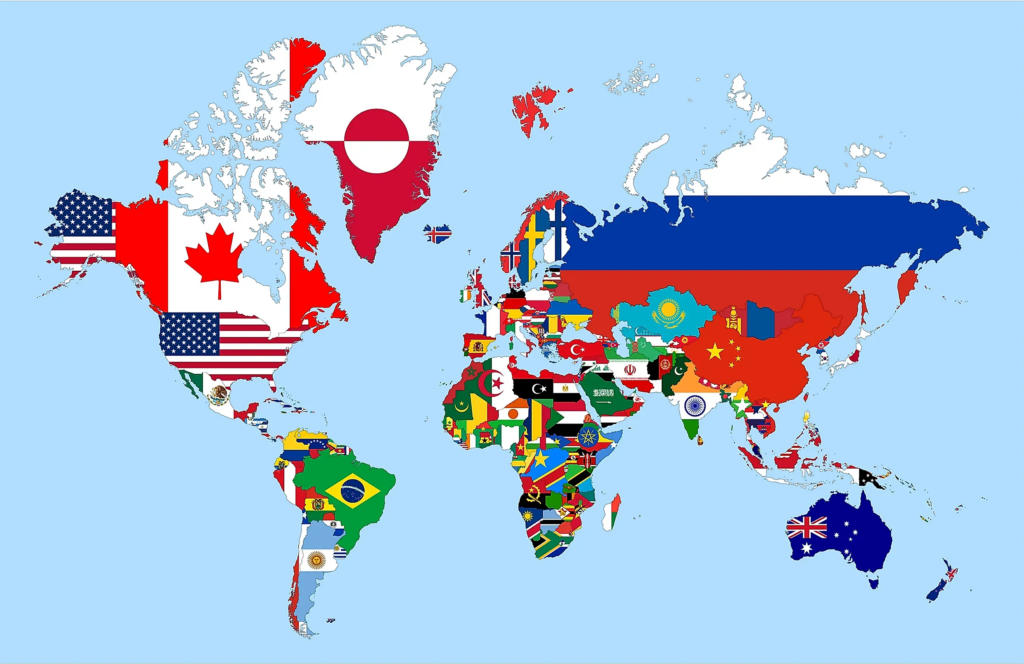
Sharia law serves as a beacon guiding personal conduct and societal norms for a significant portion of the world’s Muslim population. Countries where Sharia law underpins the legal framework include Saudi Arabia, Iran, Pakistan, and Afghanistan, among others. Yet, the manifestation of Sharia is not monolithic; it is contextually embedded within historical, social, and political landscapes that shape its contemporary application.
In Saudi Arabia, for instance, Sharia operates as the primary source of law, infusing the legal code with religious tenets that govern both private and public life. The Saudi legal system is characterized by its strict interpretation, often manifesting in penalties that many in the West would deem severe. For example, corporal punishment remains a controversial aspect of its judicial practices. However, beneath the surface of strict regulations lies a complex interplay of tradition and modernity. The nation is navigating the waters of globalization—the Vision 2030 initiative demonstrates an endeavor to diversify the economy while cautiously allowing for some social reforms. These reforms indicate a subtle shift towards a more modern interpretation of Sharia, reflecting a tension between tradition and modernity.
Conversely, Iran presents a distinctive application of Sharia, intertwined with its political structure. Following the 1979 Islamic Revolution, the country established a theocratic regime where the clerics wield significant power. The legal framework incorporates an interpretation of Sharia that aligns with the state’s ideological tenets. Here, cultural relativism surfaces poignantly; what might be perceived as oppressive, such as restrictions on women’s rights, is defended by proponents as a manifestation of religious and cultural identity. This leads to fervent debates on the universality of human rights versus the particularism of cultural practices, evoking the question: can the enforcement of Sharia be viewed through a lens of localized ethics?
Pakistan, straddling a more ambiguous legal landscape, employs a dual legal system where Sharia is integrated with civil law. The Hudood Ordinances, enacted in the late 1970s, reflect an attempt to codify aspects of Sharia into the judicial system. Critically, this has sparked extensive debate regarding women’s rights, particularly in cases of rape and adultery, where standards of evidence and testimony can be heavily influenced by cultural interpretations of honor and morality. Many advocate for reforms that align with international principles of gender equality, arguing that local customs should not be conflated with divine mandates. This tension embodies the broader struggle inherent within nations that implement Sharia law—namely, the negotiation of identity in a world that is progressively globalized yet staunchly local.
Moving to the African continent, Nigeria presents a fascinating case of a nation with a diverse population where Sharia has been adopted in several northern states. Here, the legal framework’s reliance on religious principles introduces a cacophony of perspectives that challenge the harmonization of Sharia with constitutional mandates. The enactment of Sharia law in these regions has cultivated a divisive landscape, generating fierce debates around issues such as law enforcement and punishment, which often intersect with already existing ethnic and religious tensions. Scholars argue that this duality forces a reevaluation of national unity, particularly when local customs clash with universal legal standards.
Furthermore, the Muslim minority populations in predominantly non-Muslim countries often find themselves negotiating their rights within existing legal frameworks. In nations like the United Kingdom and Canada, debates surrounding the application of Sharia in family law highlight the complexities of cultural relativism. Proponents argue that allowing for the practice of Sharia alongside national law respects and honors cultural identity. Critics, however, worry that this could erode the foundational principles of equality and secularism in Western legal systems. Thus, the ongoing discourse on Sharia in these contexts underscores a salient question: How should nations balance the recognition of cultural pluralism while ensuring the safeguarding of universal human rights?
As the debate surrounding Sharia law continues to evolve, it sheds light on broader themes of identity, governance, and human rights within a multicultural world. The metaphor of a river may aptly encapsulate this dynamic—while the water flows steadily towards its destination, it is shaped by the landscapes through which it travels. Similarly, Sharia’s interpretation and application must navigate the contours of historical roots, societal norms, and contemporary values. The discussions and disagreements surrounding Sharia law illuminate the tension between tradition and progress, presenting a microcosm of the larger global dialogue on cultural relativism.
Ultimately, the question of Sharia law’s place in modern governance transcends mere legal discourse. It beckons global citizens to engage in a rich and nuanced dialogue, one that respects the interplay of cultural identity while championing universal principles. As the world grapples with these complex identities, the discussion serves as a reminder of the delicate balance between honoring traditions and fostering progress.
FAQ
What is Sharia law?
Sharia law is a religious legal system based on Islamic texts that governs aspects of public and private life in some Muslim-majority countries.
Which countries use Sharia law?
Countries such as Saudi Arabia, Iran, Pakistan, Afghanistan, and parts of Nigeria implement Sharia law to varying extents.
How does Sharia law affect women's rights?
In some countries, Sharia law has led to restrictions on women's rights, sparking debates about gender equality and legal reforms.
Is Sharia law compatible with modern legal systems?
In some nations, Sharia is integrated with civil law, creating a dual legal system that negotiates between tradition and modernity.
What are the main challenges in applying Sharia law globally?
Challenges include balancing religious principles with universal human rights, cultural diversity, and secular legal frameworks.




Leave a Reply