Short Answer
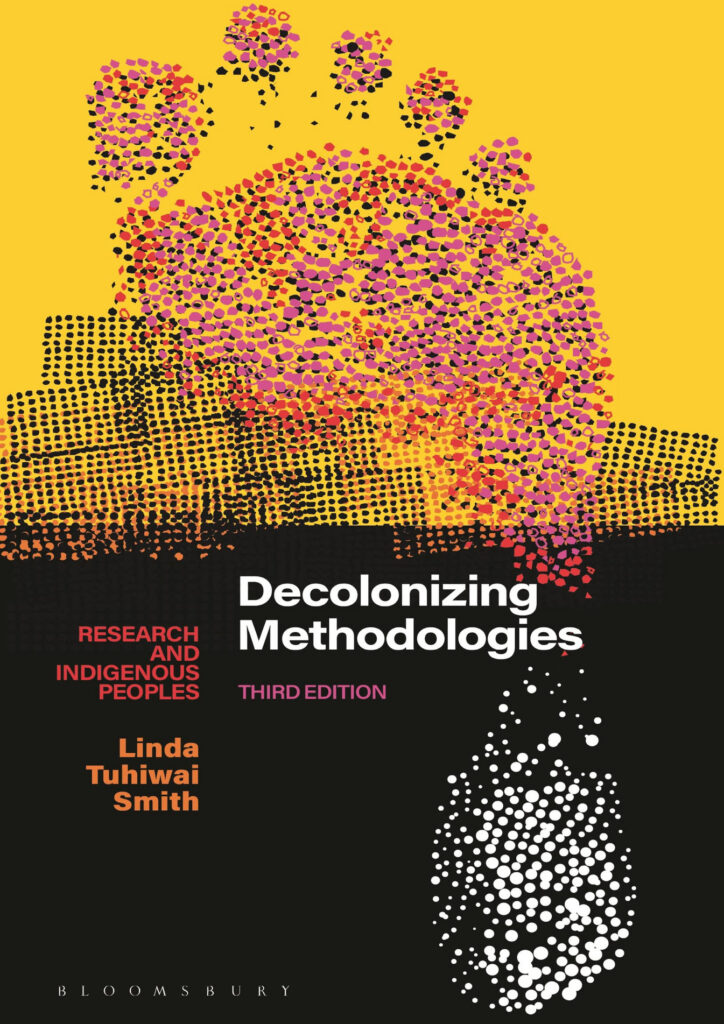
In recent years, the discourse surrounding methodological approaches in anthropological and social science research has witnessed an impactful shift toward decolonization. Specifically, the paradigms guiding research on Indigenous peoples have provoked critical examination and advocacy for an epistemological transformation. “Decolonizing Methodologies: Research and Indigenous Peoples” emerges as a seminal work, fostering critical engagement with the precepts of colonialism and the imperative to integrate Indigenous voice and perspective. This examination will illuminate the multifaceted content that readers can expect when engaging with this transformative work.
At the outset, readers will encounter a robust theoretical framework that interrogates the foundations of knowledge production. The text challenges conventional positivist methodologies that have historically marginalized Indigenous knowledge systems. Here, the author elucidates the concept of cultural relativism, emphasizing the necessity of contextualizing research within the Indigenous epistemologies that dominate the lived experiences of these communities. This shift necessitates a critical reevaluation of hierarchical binaries between researcher and participant, which have often perpetuated colonial narratives. The consequent emergence of collaborative frameworks sets the stage for an inclusive methodology that authentically represents Indigenous voices.
Subsequent chapters delve deeply into the ethical dimensions of research. Readers will engage with discussions surrounding participant agency and the ethical obligation of researchers to honor the dignity and worldview of Indigenous peoples. The discourse regarding informed consent is critically examined, especially in contexts where traditional notions of agency may clash with Western bureaucracies. The author posits that ethical research necessitates an embrace of relational accountability, whereby researchers actively engage with and commit to the wellbeing of the communities involved. This reflects a paradigm shift from a transactional model of research towards one that is relational and reciprocal, fostering mutual trust and respect.
Moreover, readers can expect comprehensive analyses of various research methodologies that advocate for Indigenous self-determination. The book presents case studies illustrating the effectiveness of community-based participatory research (CBPR), oral histories, and participatory action research (PAR). These methodologies not only empower Indigenous populations by incorporating their narratives but also mitigate the risks of misrepresentation and exploitation. The author provides compelling insights into how these approaches can yield richer, more nuanced understandings of Indigenous realities, thus disrupting dominant narratives that often simplify or overlook complexity.
One of the pivotal themes of the work is the critical examination of colonial legacies inherent in research practices. The author meticulously dissects the historical context of research on Indigenous peoples, mapping the trajectory of exploitation and the resultant epistemic violence. By weaving together historical accounts with contemporary implications, the text delineates how colonial legacies perpetuate systemic inequities. Such analyses are not merely academic; they reveal the urgent need for decolonization to reconceptualize methodologies that disrupt the status quo.
The narrative also delves into the profound significance of Indigenous knowledge systems—a theme that is paramount throughout the text. The author advocates for an understanding of knowledge that is non-static, recognizing the vibrancy and evolution of Indigenous thought. Through the lens of cultural relativism, readers are encouraged to appreciate the validity of Indigenous cosmologies, worldviews, and practices. This acknowledgment is not only a matter of respect but also a critical mechanism for developing methodologies that are coherent with Indigenous ways of knowing and being.
The transformative approach discussed within these pages extends into the implications of decolonized methodologies for broader social justice movements. Readers are invited to consider how the principles espoused in the work resonate with collective efforts to dismantle colonial structures beyond academic spheres. The author articulates how reclaiming Indigenous narratives contributes to larger dialogues on decolonization and social equity. This intersectional approach highlights the interconnectedness of various struggles against oppression, situating Indigenous rights within the continuum of global justice movements.
In tandem with these discourses, the text also addresses the role of tribal sovereignty in the research process. As Indigenous peoples assert their rights to self-govern, researchers are compelled to navigate the complexities surrounding sovereignty and jurisdiction. The author engages with legal frameworks and Indigenous governance structures, providing a nuanced understanding of how these elements influence research design, data ownership, and dissemination. This intersection of law and methodology is critical for ensuring that Indigenous communities maintain control over their narratives and implications of research outcomes.
Furthermore, “Decolonizing Methodologies” serves as a clarion call for reflection and reflexivity among researchers. The text emphasizes the importance of self-examination and critical inquiry into one’s positionality and its effects on research outcomes. Readers are implored to confront their biases and preconceptions, thus fostering a more transparent and accountable research environment. This introspective lens is pivotal for disrupting traditional power dynamics and fostering more equitable research practices.
Finally, the narrative culminates in a consideration of future directions for decolonized research methodologies. The author posits that the journey toward decolonization is ongoing and requires persistent, collective effort. Readers are encouraged to envision a horizon where Indigenous methodologies become integral to academic practices, sparking innovation and fostering cross-cultural dialogues. This forward-thinking conclusion reinforces the idea that the path toward decolonization is not merely a theoretical exercise but an imperative for transformative change within research institutions and beyond.
In summary, engaging with “Decolonizing Methodologies: Research and Indigenous Peoples” provides a comprehensive synthesis of contemporary debates surrounding research ethics, methodologies, and Indigenous knowledge systems. Readers will find themselves equipped with not only theoretical foundations but also practical applications for fostering inclusive and ethical research practices. This transformative work stands as a beacon for reimagining methodologies that honor Indigenous voices while contributing to a more equitable scholarly landscape.




Leave a Reply