Short Answer
The Ninth Ward, a historically significant neighborhood in New Orleans, Louisiana, has become a symbol of both tragedy and resilience in the wake of Hurricane Katrina. The cataclysmic event that struck on August 29, 2005, did not merely alter the physical landscape of the area; it fundamentally reshaped the community, impacting its cultural fabric and social dynamics. This article examines the multifaceted aspects of tragedy, resilience, and rebirth that characterize the Ninth Ward’s experience before, during, and after the hurricane.
Initially, the Ninth Ward was a vibrant, predominantly African American neighborhood, celebrated for its rich cultural heritage, particularly in music, cuisine, and community bonds. Its historical roots trace back to the 19th century, when it served as a cradle for free people of color. Residents took immense pride in their home, cultivating a spirit of camaraderie that transcended economic adversity. However, the area was also known for systemic neglect, insufficient infrastructure, and pervasive socio-economic challenges—factors that would prove fatal during the hurricane.
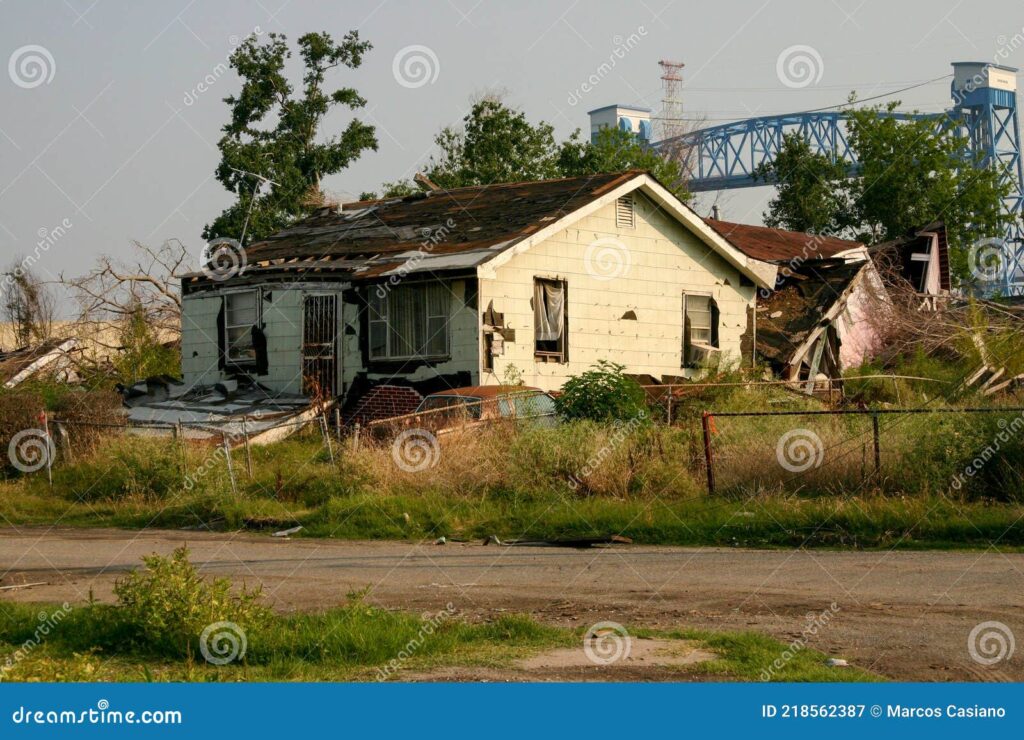
When Hurricane Katrina made landfall, the Ninth Ward bore the brunt of the storm’s wrath. The overwhelming force of the winds and the subsequent catastrophic failure of the levee system led to widespread flooding, inundating homes, schools, and places of worship. An estimated 80% of the neighborhood was submerged under water. This deluge resulted in the loss of lives, property, and a sense of security for its residents. Images of the devastation became indelibly etched in the public consciousness, representing not just a natural disaster, but a societal calamity that exposed the vulnerabilities of marginalized communities.
The immediate aftermath of the hurricane laid bare the disparities in disaster response. The Ninth Ward, along with similar neighborhoods, faced a delayed and inadequate recovery effort. Residents struggled with displacement, enduring prolonged separations from their homes and families. The governmental response was widely critiqued for its inefficiency, lack of urgency, and failure to address the needs of those most affected. The narrative surrounding the disaster evolved into a discussion about systemic racism and socio-economic inequality in disaster preparedness and recovery.
In the wake of such profound tragedy, however, the residents of the Ninth Ward demonstrated remarkable resilience. Despite overwhelming adversity, the community began to mobilize. Grassroots organizations sprang up, providing essential services, support networks, and advocacy platforms. Neighbors banded together to share resources and rebuild their lives, embodying a spirit of unity and tenacity.
One noteworthy initiative was the formation of the Lower Ninth Ward Village, a community organization focused on revitalizing the area through sustainable development and social empowerment. Emphasizing local participation, the Village has been instrumental in providing training, facilitating mental health services, and fostering artistic expression as a means of healing. The collective engagement has not only facilitated a sense of belonging among long-time residents but has also attracted newcomers who share a commitment to the neighborhood’s resurgence.
The cultural renaissance that followed Hurricane Katrina was as significant as the physical rebuilding of the Ninth Ward. Art emerged as a powerful medium for expression and catharsis. Murals adorned the walls, telling stories of loss, survival, and hope. Artists such as Brandan Odums, known for his poignant public artworks, harnessed the transformative power of creativity to reflect community narratives. These artistic endeavors served not only as a remembrance of the past but also as a rallying point for collective identity and community pride.
Apart from artistic endeavors, the culinary landscape of the Ninth Ward also experienced a rebirth. The neighborhood has long been a crucible for Creole and Cajun cuisine, but the post-Katrina era saw an influx of new eateries that fused traditional recipes with innovative flair. Chefs began to embrace local products and heritage-inspired menus, creating spaces that celebrate the culinary diversity and history of New Orleans. Such establishments became not just places for sustenance but vibrant community hubs, reinforcing shared culture and social ties.
As the recovery progressed, the Ninth Ward began to embrace innovative approaches to future resilience. Initiatives such as the New Orleans Redevelopment Authority focused on rebuilding homes with enhanced flood resistance, incorporating environmentally sustainable materials and designs. Community-led planning sessions sought to ensure that the voices of local residents were integral to shaping the future of their neighborhood. The emphasis on inclusive development represents a paradigm shift towards community empowerment, aiming to rectify past inequities and preempt future catastrophes.
Today, the Ninth Ward stands as a powerful testament to the resilience of its inhabitants. From the ashes of tragedy, it has emerged as a symbol of hope and renewal. While deep scars remain, the commitment of its community to honor its history while forging a new path forward encapsulates the spirit of New Orleans itself. The Ninth Ward continues to offer vital lessons on the intersection of environmental justice, community solidarity, and cultural preservation in the face of adversity.
In summation, the narrative of the Ninth Ward post-Hurricane Katrina encapsulates an intricate tapestry of emotional depth, historical significance, and unwavering strength. As it continues to evolve, it serves as an indispensable reminder of the enduring human spirit and the capacity for rebirth even in the ostensible shadows of despair.



Leave a Reply