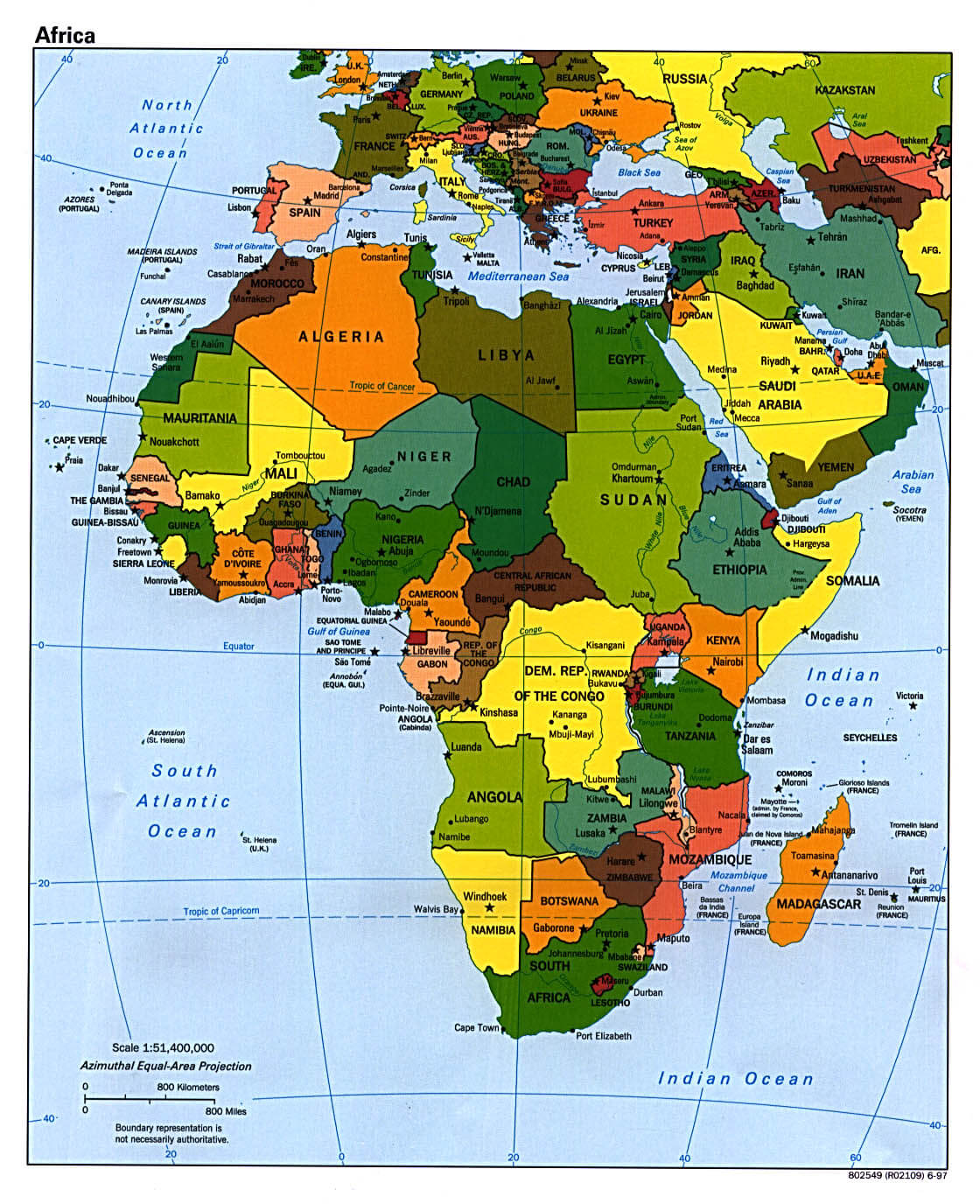
Africa, often regarded as the cradle of humanity, epitomizes a realm where the evolutionary journey commenced. The continent is not merely a geographical entity; it is a repository of life’s ancient narrative, a tapestry woven from the threads of our collective ancestry. The vast savannas, verdant forests, and arid deserts are emblematic of a complex biosphere that has shaped and molded species over millions of years.
The intrinsic appeal of Africa lies in its profound dichotomy of environments. From the Sahara Desert, with its sun-kissed dunes that ripple like golden waves, to the lush Congo Rainforest, a sinuous labyrinth teeming with biodiversity, the continent presents one of the most varied ecosystems known to humankind. Each habitat contributes uniquely to our understanding of evolution and the intricate web of life that thrums within it.
In delving into the archaeology of Africa, one uncovers relics that have transcended time. The iconic fossilized remains of Australopithecus afarensis, notably the famed “Lucy,” exemplify the evolutionary milestones traversed by early hominins. Discovered in Ethiopia’s Afar region, Lucy’s skeletal structure showcases bipedal locomotion, an adaptation that marked a significant pivot in the trajectory of human evolution. This transition from arboreal life to terrestrial existence signifies not just physical adaptation but also cognitive development that would eventually lead to the emergence of Homo sapiens.
The narrative of humanity’s genesis is intricately tied to the evolving landscapes of Africa. The Great Rift Valley, a geological wonder that slices through the eastern part of the continent, represents not merely a scar upon the earth’s surface but a cradle of anatomical and behavioral evolution. This rift has been pivotal in fostering diverse ecological niches, thus promoting speciation and adaptation. As the continents shifted and climate fluctuated, early hominins were compelled to adapt to a myriad of challenges, igniting the spark of innovation and cultural evolution.
Moreover, the interplay between early humans and their environment underscores a vital aspect of Africa’s evolutionary marvels—cultural adaptation. The hunter-gatherer societies, reliant on the rich diversity of flora and fauna, embodied resilience and ingenuity. Cave paintings, such as those found in the Drakensberg Mountains of South Africa, offer a glimpse into the cognitive and artistic capabilities of our ancestors. These enigmatic artworks serve as a visual interface into the psyche of early humans, depicting not only their daily struggles but also their reverence for the world’s mysteries.
The fossil record itself serves as a visual chronicle of the evolutionary saga that unfolded on the African continent. Species such as Homo habilis and Homo erectus contribute to the tapestry of human ancestry, showcasing technological advancements that hinted at burgeoning cognitive faculties. The emergence of tool use, notably the Oldowan tool tradition, offered a survival advantage that enhanced the capacity for hunting and gathering. This cognitive leap reflects an evolution not merely of the body but also of the mind—an intoxicating dance of intelligence and creativity.
African ecosystems also provide an unparalleled lens through which to examine the evolutionary interplay between flora and fauna. The continent is home to a plethora of endemic species, each adapted to specific ecological niches. The enigmatic African elephant, an epitome of intelligence and social structure, rules the savanna—a testament to the evolutionary pressures that shape large herbivores. Similarly, the survival strategies of the cheetah, the fastest land animal, showcase the relentless pursuit of adaptation in competitive environments.
As we traverse the narrative of evolution, the interdependence of species becomes apparent. The co-evolution of predator and prey is an elaborate dance that has shaped Africa’s ecosystems for millennia. The iconic African lion, for example, epitomizes apex predation, influencing the behavioral patterns of its prey and, in turn, sculpting the vegetation dynamics of the savanna. This delicate equilibrium highlights the intricate balance maintained within the continent’s ecosystems, where each species plays a pivotal role in perpetuating life.
In contemporary times, Africa is not only a sanctuary of evolutionary echoes, but it also stands as a bastion for biodiversity conservation. The encroachment of human activity poses threats to these delicate systems, demanding a concerted effort to harmonize progress with preservation. Initiatives aimed at safeguarding habitats and ecosystems reveal a collective consciousness towards understanding the imperative of conservation—a poignant reminder of our interconnected destinies.
Furthermore, the cultural fabric of Africa is intricately tied to its biological heritage. Indigenous knowledge systems sustain a deep understanding of the land and its resources, underscoring the symbiotic relationship between humanity and nature. As diverse as its languages and traditions, Africa’s cultural landscape reflects the resilience of communities as they navigate the challenges posed by modernization while holding onto ancestral wisdom.
In conclusion, Africa’s role as the genesis of humanity and the showcase of evolutionary wonders encapsulates a multifaceted narrative that resonates through the ages. The continent invites exploration and reverence, beckoning adventurers and scholars alike to engage with its profound mysteries. As the birthplace of humanity, Africa encapsulates an eternal dialogue between man and nature, a timeless testament to evolution’s ceaseless march and the enduring legacy of life itself.