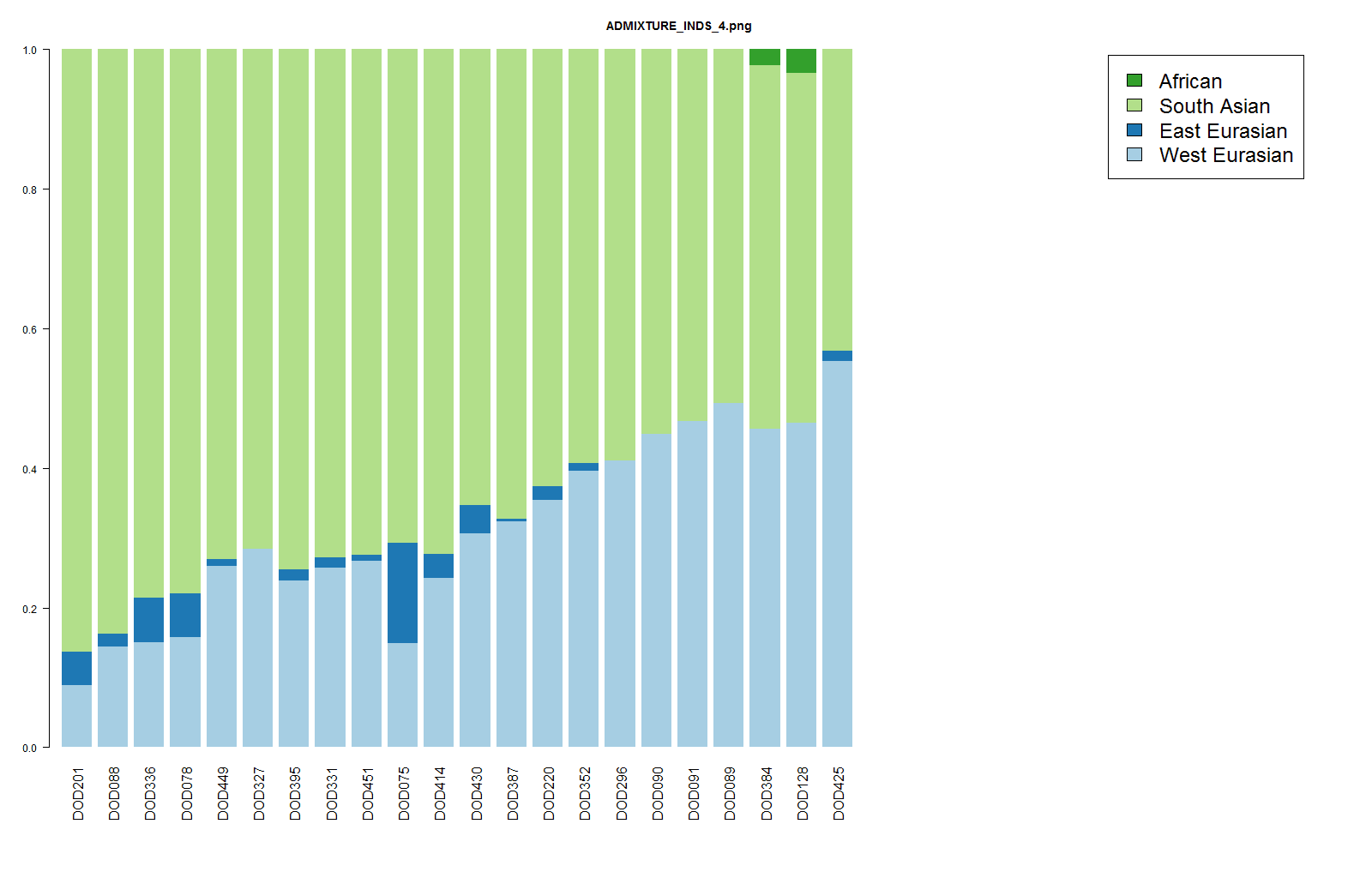
Understanding the origins of populations is a complex endeavor that involves the intersection of genetics, anthropology, and history. The genetic makeup of populations can elucidate not only their origins but also their migratory patterns and interrelations with other groups. This article delves into the genetic studies of Ancestral North Indians (ANI) and Ancestral South Indians (ASI), providing a comprehensive overview of their origins, characteristics, and the implications of these findings.
1. Historical Context and Migration Patterns
The Indian subcontinent has been a cradle of civilization, witnessing waves of migration and cultural intermingling over millennia. Early studies posited significant cultural and linguistic divides between the North and South, primarily attributed to the Indo-Aryan migrations around 1500 BCE. However, the genetic narrative is more nuanced. The ANI are often considered descendants of Indo-European migrants, whereas the ASI are thought to derive from the prehistoric populations that inhabited the subcontinent long before this migration.
Various genetic studies have indicated that the divergence between these two groups likely occurred thousands of years ago. The ANI populations are characterized by a genetic profile that indicates admixture with populations from Central Asia and the Middle East, while the ASI lineage is primarily rooted in ancient Indigenous tribes of the region.
2. Methodologies in Genetic Studies
The elucidation of ANI and ASI origins has benefited significantly from advances in genetic testing and analysis. Techniques such as genome-wide association studies (GWAS) and analysis of single nucleotide polymorphisms (SNPs) have provided invaluable insights. These methodologies have enabled researchers to construct detailed genealogical trees that illustrate the genetic diversity within the Indian population.
Y-chromosome and mitochondrial DNA analyses have also played a critical role. The Y-chromosome, inherited patrilineally, and mitochondrial DNA, inherited matrilineally, offer complementary perspectives on lineage and ancestry, further enhancing the understanding of population dynamics.
3. Genetic Markers and Their Significance
Certain genetic markers serve as indicators of ancestral origin. Specific Y-DNA haplogroups, such as R1a and H1, have been associated with ANI populations, reflecting their connections to Central Asian ancestries. Conversely, haplogroups linked to ASI populations, such as M and R5, indicate a distinct lineage reflecting indigenous roots. These genetic signatures help construct a more intricate portrait of the population’s historical migrations and adaptations.
Moreover, researchers have identified markers indicative of admixture between ANI and ASI populations, which reveals the complexities of social interactions in ancient times. The genetic landscape of modern populations is, thus, a result of multiple waves of interactions, illustrating the impact of migration, trade, and conquests.
4. Contemporary Implications of Genetic Studies
The implications of understanding ANI and ASI origins extend beyond academic inquiry. In contemporary India, issues of caste, ethnicity, and identity are often intertwined with notions of ancestry. Genetic studies provide a scientific basis to appreciate the shared heritage among diverse communities. By highlighting the common ancestry of various groups within the subcontinent, it becomes possible to foster social cohesion and unity.
Nevertheless, the interpretation of genetic data must be approached with caution. Discussions surrounding identity can easily devolve into divisive narratives if not contextualized within broader historical and cultural frameworks. Education and awareness about the findings of genetic research are imperative to mitigate misapprehensions that may arise.
5. Future Directions in Genetic Research
The field of population genomics is evolving rapidly, promising even more refined insights into the ancestral origins of Indian populations. Current research trends are leaning towards increasing sample sizes, incorporating ancient DNA analysis, and exploring the relationship between genetics and phenotypical traits.
Future studies may delve deeper into understanding the effects of post-Independence migrations, urbanization, and globalization on genetic make-up. Additionally, interdisciplinary collaborations with archaeologists and linguists can yield a more holistic view of population dynamics, integrating cultural narratives with genetic data.
6. Conclusion
In summation, the genetic studies of Ancestral North Indians and Ancestral South Indians reveal a rich tapestry woven from historical migrations, cultural exchanges, and shared ancestry. These findings not only enhance our understanding of population genetics but also illuminate the multifaceted nature of identity within the Indian subcontinent. As genetic research continues to advance, so too will our understanding of the intricate connections that bind diverse populations together, showcasing the interdependence of heritage, culture, and biology.