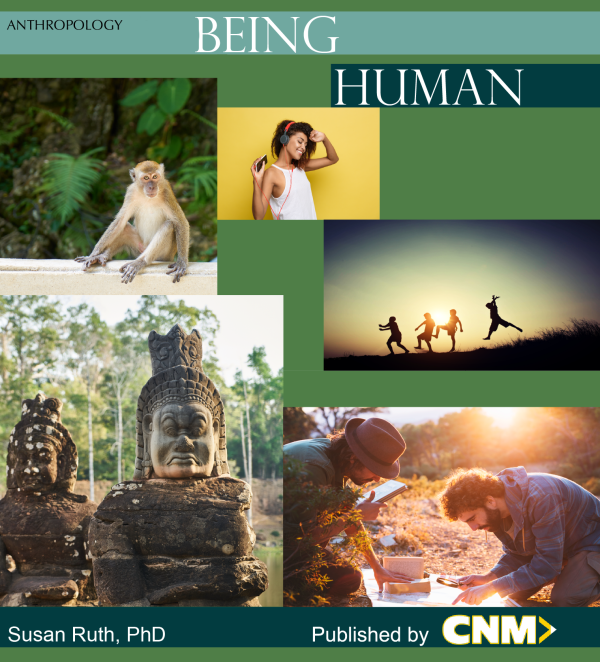
Anthropology, an intricate tapestry woven with the threads of culture, biology, archaeology, and linguistics, seeks to unravel the enigma of humanity itself. It is the holistic study of human beings, scrutinizing their behaviors, beliefs, and systems across time and space. Central to contemporary anthropological discourse is the concept of cultural relativism, a paradigm that urges scholars to understand human societies in their contextual frameworks rather than through the lens of one’s own cultural biases. This article delves into the multifaceted nature of anthropology and examines how cultural relativism shapes our understanding of what it means to be human.
The foundation of anthropology rests upon the notion that human existence is inextricably linked to culture. Culture encompasses the totality of social practices, norms, values, art forms, and belief systems that define a group of people. In anthropology, culture is not merely a backdrop against which human actions unfold; it is a dynamic, fluid entity that both shapes and is shaped by human interaction. As such, the anthropological endeavor is profoundly concerned with how cultural contexts influence not only individual identity but also collective societal structures.
Cultural relativism is pivotal to anthropological inquiry. Emerging in the early 20th century, this concept posits that one must seek to understand cultural phenomena from within their own specific contexts, free from ethnocentric judgments. Embracing this perspective facilitates a deeper comprehension of the diverse array of human life. Ethnocentrism— the evaluation of other cultures according to the preconceptions originating in the standards and customs of one’s own culture— can lead to misinterpretation and a lack of appreciation for the rich intricacies of societal variations.
This leads us to the diverse methodologies that anthropologists employ in their quest for understanding. Ethnography, for instance, is perhaps the most recognized method within the field. This qualitative approach involves immersive, long-term engagement within a particular cultural group to observe and record their customs, rituals, and lives. Such detailed fieldwork enables anthropologists to capture the nuanced realities of social life, presenting them in a manner that respects the social realities of those studied. It is through ethnographic work that the essence of being human— as experienced in various cultural frameworks— can be articulated and appreciated.
Another significant aspect of anthropology is its interdisciplinary nature. The integration of biological and social sciences augments its explorative capabilities. Biological anthropology, for instance, examines the connections between biology and culture— investigating how our evolutionary background shapes human behavior. This interplay is crucial in understanding phenomena such as kinship and familial structures across different cultures. The intersection of biology and culture reveals that humanity is not solely a product of cultural constructs; biological imperatives also play an undeniable role in shaping our behaviors and societies.
Archaeology, often viewed as a separate branch, contributes another layer of depth to our understanding of humanity. By excavating and analyzing material remains, archaeologists reconstruct past human behaviors and cultural practices, providing insights into how societies evolved over millennia. The remnants of ancient civilizations offer a mirror reflecting the complexity of human adaptation, survival, and cultural output, thereby enhancing our comprehension of humanity across temporal dimensions.
Language represents yet another pivotal component in anthropological study. Linguistic anthropology investigates how language is intertwined with cultural practices and identity. Language does not merely serve as a communication tool; it is a vessel for cultural transmission, embodying the values and beliefs of a community. The study of language within its social context reveals much about the social hierarchies, power dynamics, and collective consciousness of a group, further enriching our understanding of what it means to be human.
At the heart of anthropological inquiry is the question of identity— both individual and collective. Anthropology delves into the factors that shape self-perception and social belonging in diverse cultural contexts. Concepts such as race, ethnicity, gender, and socioeconomic status are scrutinized to unravel the complexity of identity formation and expression. Through culturally relativistic lenses, anthropologists challenge rigid classifications and advocate for a nuanced understanding of identity that acknowledges the fluidity and intersectionality inherent in human lives.
In confronting contemporary global issues such as migration, globalization, and social justice, anthropology serves as a vital tool for fostering empathy and understanding. The cultural relativist approach encourages a deeper engagement with these pressing issues, allowing for an appreciation of varied perspectives that challenge hegemonic narratives. For instance, migration is often viewed through a lens of economic necessity; however, an anthropological perspective reveals the intricate tapestry of social, cultural, and historical factors at play, thus promoting a more holistic understanding of human movement.
Furthermore, the role of anthropology in advocating for cultural preservation and social equity cannot be overstated. Anthropologists frequently ally with marginalized communities, utilizing their expertise to safeguard cultural heritage and promote social justice. By amplifying the voices and experiences of those often rendered invisible within dominant cultural narratives, anthropology underscores its commitment to fostering understanding and respect for diverse cultural existences.
In conclusion, anthropology is an expansive field dedicated to exploring the intricacies of what it means to be human through the lens of cultural relativism. By eschewing ethnocentric perspectives and engaging in rigorous, interdisciplinary methodology, anthropologists reveal the rich tapestry of human life. From the nuances of cultural practices to the biological and linguistic underpinnings of identity, anthropology elucidates the diverse experiences that define our shared humanity. Ultimately, it is through the study of anthropology that we come to appreciate the complexity of our existence and the myriad ways in which we navigate the world as human beings.