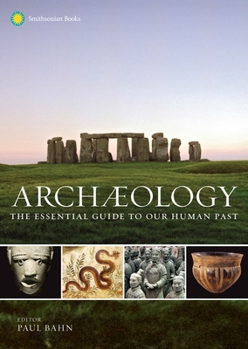
Archaeology stands as a beacon illuminating the complex tapestry of human existence. “Archaeology: The Essential Guide to Our Human Past” serves as a pivotal reference point, particularly when examined through the lens of cultural relativism. Readers embarking on this intellectual voyage will encounter an intricate amalgamation of various themes and methodologies that embody the discipline of archaeology in its entirety.
This book delves into diverse archaeological practices, showcasing how these methodologies reflect the multifaceted nature of human cultures across different epochs. Cultural relativism, a doctrine urging scholars to understand cultural practices within their own contexts, plays a vital role in interpreting archaeological findings. This perspective encourages readers to move beyond ethnocentric judgments and appreciate the array of human experiences. Consequently, the book propounds a foundational premise: that each culture, irrespective of its geographical or temporal context, has intrinsic value and must be understood through its unique historical lens.
One significant aspect of the publication is its comprehensive overview of archaeological techniques. It provides readers with insights into stratigraphy, excavation, and remote sensing, elucidating how these methodologies contribute to our understanding of past societies. The application of these techniques is not merely technical; they are imbued with cultural significance that varies from society to society. For instance, the book describes how indigenous archaeological practices have often prioritized communal memory and spirituality, contrasting with Western methodologies that may emphasize materialism and objectivity. This juxtaposition invites critical reflection on the ethical implications of archaeological practice. Such discussions are essential in fostering awareness and sensitivity towards the cultures represented by archaeological remnants.
Another salient theme traversing the pages of this guide is the role of material culture in understanding human behavior and social structures. Readers will encounter rich illustrations of artifacts from diverse civilizations, each telling its own unique story. The author articulates how objects serve as conduits for understanding social dynamics, belief systems, and economic structures. For instance, the analysis of pottery shards may reveal trade networks and social stratification within ancient communities. This tangible evidence, viewed through the cultural relativist lens, urges readers to acknowledge the localized significance of these artifacts. Such an approach discourages universal conclusions and encourages nuanced interpretations that respect the uniqueness of individual cultures.
The narrative of human history is also intricately woven with themes of migration and cultural exchange, a focal point in the discourse on archaeological findings. The book meticulously illustrates how the movement of peoples has indelibly influenced socio-cultural landscapes. Each migration is depicted not merely as a physical journey but as an exchange of ideas, practices, and beliefs that have shaped civilizations. By embracing cultural relativism, the text challenges mono-dimensional historical narratives that often overlook the agency of diverse populations. This not only enriches the reader’s understanding of human past but also underscores the interconnectivity of seemingly disparate cultures throughout history.
Readers will also appreciate the book’s frank examination of the politics surrounding archaeology. It raises pertinent questions about ownership, representation, and the legacy of colonialism in archaeological practices. The appropriation of artifacts and the narratives that accompany them foreground a pressing ethical dilemma: who has the rightful claim to the past? By advocating for greater inclusivity in archaeological discourse, the publication encourages readers to confront the historical injustices that have pervaded the discipline. It posits that a more equitable approach, rooted in cultural relativism, can empower marginalized voices and foster a more holistic understanding of humanity’s journey.
A particularly engaging feature of the guide is its case studies that exemplify the application of cultural relativism in real-world archaeological contexts. These narratives serve as poignant reminders of how archaeological interpretations can vary dramatically based on cultural background and academic inclination. For instance, the book highlights how indigenous communities often possess profound knowledge regarding their archaeological sites, leading to collaborative efforts that yield richer insights. Such examples demonstrate that incorporating multiple perspectives is not merely an academic exercise but a crucial step toward a more democratic archaeology.
As readers traverse the chapters, the duality of preservation and destruction emerges as a pervasive theme. The text details how archaeological sites face threats from modern development, climate change, and warfare. This sobering reality contrasts sharply with the celebration of cultural heritage that archaeology often engenders. Much like the act of archaeology itself, this balance between salvaging the past and recognizing its fragility is transcendent. The call for preservation is underscored by the assertion that understanding our human past is vital for addressing contemporary global challenges.
In conclusion, “Archaeology: The Essential Guide to Our Human Past” offers a robust framework for understanding the complexities of human history through the prism of cultural relativism. It invites readers to appreciate the nuanced interplay between culture, archaeology, and the broader human experience. Through its exploration of diverse methodologies, material culture, migration, and ethical considerations, the book provides a holistic account of archaeology’s potential to enrich our understanding of humanity. Readers will emerge with a profound appreciation of the discipline—not as a static field of study, but as a dynamic reflection of the human condition that continues to evolve in response to societal needs and ethical imperatives.