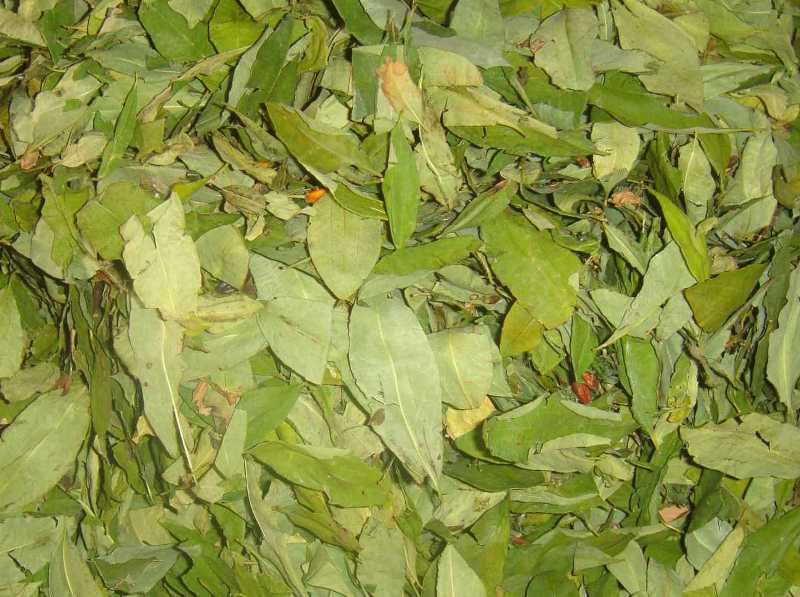
In the realm of global narcotics discourse, coca leaves occupy a perplexing space that dances between cultural reverence and stringent legal restrictions. A crop revered in Andean cultures for millennia, coca has profound historical, traditional, and socio-economic significance. However, its association with cocaine production has rendered it a nebulous entity within the legal frameworks of countries like the United States. The question of legality surrounding coca leaves not only invites a discourse on law and policy but also incites a deeper inquiry into cultural relativism and the ethical implications of value judgments across different societies.
The legal status of coca leaves in the United States is characterized by its paradoxical nature. The Controlled Substances Act (CSA) classifies coca leaves as a Schedule II substance, which means that while they are recognized for their potential medicinal uses, their production, sale, and possession are almost entirely prohibited in practice. This classification stems from an entangled history steeped in colonialism, drug wars, and evolving societal norms. The framing of coca leaves as dangerous is influenced heavily by the perception of cocaine, the compound extracted from it, leading to an overarching narrative that frequently overlooks the nuanced applications of coca in traditional contexts.
In Andean countries, coca leaves are an intrinsic part of folklore and daily life. They are chewed, brewed as tea, and utilized in various ceremonial practices, reflecting an intricate relationship with the land and cultural identity. From providing altitude sickness relief to offering sustenance to the impoverished, coca leaves symbolize resilience and adaptation. However, when viewed through the lens of American legal structure, these facets are often eclipsed by a monolithic perspective that reduces coca to its potential for abuse and criminality. This dichotomy creates a tension that demands exploration through the lens of cultural relativism.
Cultural relativism posits that beliefs and practices should be understood based on their own cultural context rather than evaluated against the standards of another. When considering the U.S. prohibition of coca leaves, one must navigate the precarious terrain of legal imperialism—where one culture’s legal framework is imposed upon others, often disregarding local traditions, values, and practices. This imposition raises critical ethical questions. Should the U.S. condemn coca in its entirety, given its integral role in indigenous cultures? Is not the criminalization of coca a form of cultural erasure?
One of the most significant implications of this legal discrepancy is the marginalization of indigenous perspectives. Advocacy for the decriminalization of coca leaves highlights not only the need for greater understanding within the U.S. but also the voices of those for whom coca is a cultural cornerstone. Indigenous movements challenging the legal status of coca evoke dialogues around rights, autonomy, and respect for traditional practices. Supporters argue that, rather than blanket prohibition, a regulated framework could acknowledge the traditional uses of coca while addressing concerns related to its illicit extraction.
Globally, there has been a gradual shift toward recognizing the complexities surrounding coca leaves. Countries such as Bolivia have made strides in reestablishing coca as a legal crop, allowing for cultural practices to be upheld alongside addressing illegal cocaine production. This movement signals a reconsideration of previous doctrines that have long viewed coca solely through the prism of its association with narcotics, advocating instead for a nuanced approach that respects cultural significance while still prioritizing public health and safety.
As societal norms evolve, discussions surrounding coca continue to draw interest from various facets of academia, law, and public policy. The entrenchment of coca within both cultural identity and global drug policies places it at the intersection of public discourse and ethical considerations. Prompted by shifting perspectives, experts increasingly recognize that the prohibitionist approach has often fortified the very issues it seeks to combat, leading to the marginalization of entire communities while drug cartels flourish through established black markets.
Future discourse surrounding coca leaves will require a thorough reconsideration of how legal frameworks intersect with cultural practices, and the negotiations necessary to harmonize these domains. The examination of coca leaves invokes a deluge of questions. Can a legal framework be established that both respects indigenous practices while preventing exploitation? How can societies balance the preservation of culture with the necessity of regulation? Such inquiries beg the exploration of innovative legal pathways that could possibly establish coca’s place within modern ethics and societal structures.
In conclusion, the legal status of coca leaves in the United States epitomizes a conundrum fraught with complexity and contradiction. The dichotomy between cultural reverence and legal prohibition invites a cultural relativism approach, necessitating an examination of values and practices beyond the American perspective. As conversations surrounding drug policy continue, embracing a dialogue that values cultural significance while addressing the realities of addiction may usher in a paradigm shift—one that has the potential to illuminate not only the complexities of coca leaves but also challenge our understanding of legality, culture, and community. Acknowledging the intricate intersection of these dimensions could ultimately reshape the future of coca, revealing its multifaceted nature as more than a mere component of illicit substances.