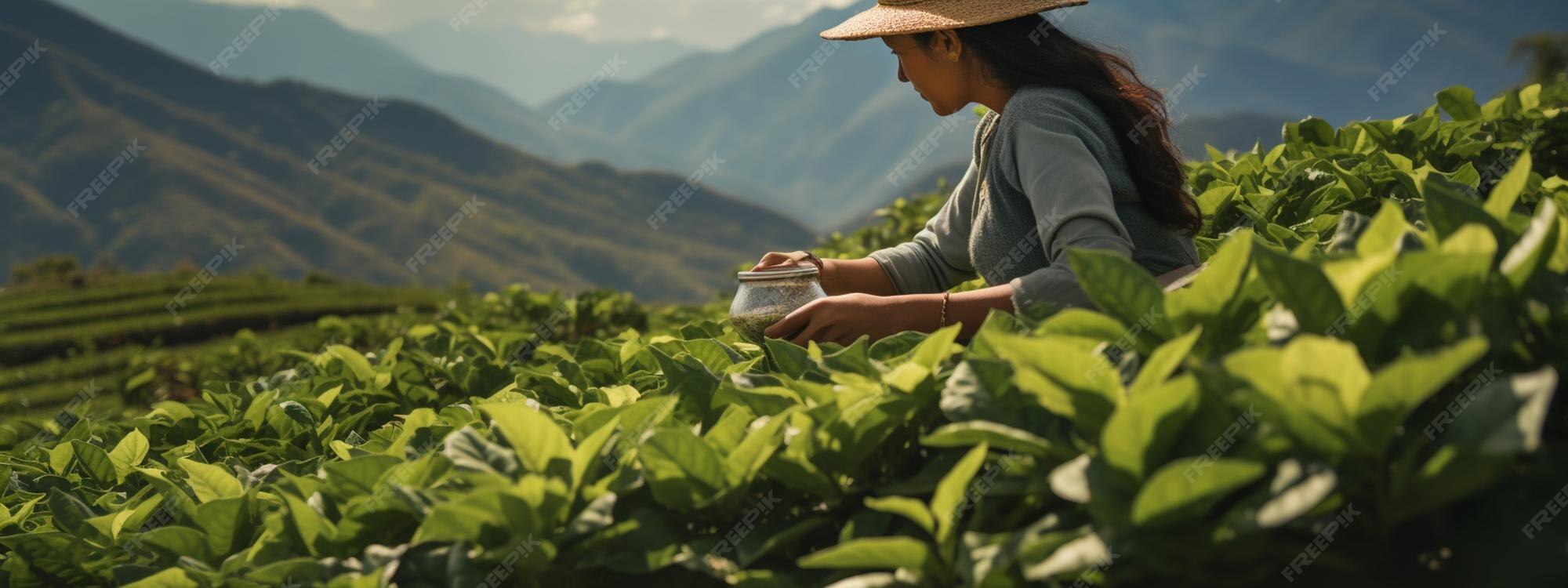
In the sprawling landscapes of the Andean region, the coca plant holds multifaceted significance, intertwining cultural heritage, economic vibrancy, and legal contention. This intricate relationship prompts a provocative inquiry: Are coca plants legal in the U.S.? In exploring the legality of coca within the modern U.S. context, one must navigate a mosaic of historical precepts, contemporary drug policy, and cultural relativism.
Historically, the coca plant has been revered as a cornerstone of indigenous culture. For millennia, indigenous peoples of the Andes have cultivated coca for its leaves, revered not only for their psychoactive properties but more importantly for their nutritional value and utility in traditional medicine. When chewed or brewed, coca leaves alleviate ailments such as altitude sickness and fatigue, allowing these communities to thrive amidst harsh environmental conditions. To view coca solely as a precursor to cocaine belittles its legitimate cultural applications and the wisdom embedded in indigenous practices.
In stark contrast, the modern perception of the coca plant in the United States is overwhelmingly shadowed by its association with illegal drug production. The Controlled Substances Act of 1970 categorized coca as a Schedule II substance, thereby rendering its cultivation, distribution, and possession illegal, except for narrowly defined medical or scientific purposes. This legislative choice reflects a broader historical trajectory where the moral anxieties surrounding drug use have often overshadowed traditional practices. However, it also carries implications for the principle of cultural relativism, which advocates for an understanding of cultural practices within their specific historical and social contexts.
At odds with this legal framework is the persistent and often romanticized imagery of the coca leaf’s richness—a symbol of resistance for many indigenous populations facing existential threats from global capitalism and resource extraction. However, how does this conflict manifest in policy frameworks? On one hand, various U.S. drug enforcement policies stem from a stoic insistence on prohibition and control, aiming to mitigate addiction and associated societal harms. On the other hand, there lies an emerging recognition of the potential benefits of re-examining such legal stigmas. The juxtaposition breeds a formal challenge: Can the United States reconcile its drug policy with respectful acknowledgment of coca’s cultural significance?
Among the plethora of perspectives on drug policy, the concept of decriminalization surfaces as a potential pathway to navigate the tension between legality and cultural respect. Decriminalization entails reducing or eliminating legal penalties for certain acts related to the coca plant while maintaining regulations that govern its production and usage. Advocates argue that this approach may facilitate better public health outcomes by focusing on treatment rather than punishment. Additionally, it could allow for the re-establishment of indigenous cultural practices lost under the weight of prohibitionist regulations.
Yet, one must pause to ponder the implications of such decriminalization. Would lifting restrictions on the coca plant pave the way for a renaissance of indigenous practices, or would it usher in opportunistic exploitation by large corporations seeking profit from traditional knowledge? The fine line drawn between cultural appreciation and cultural appropriation can often be perilous. Thus, any discussions on coca’s legality should be framed within the context of social justice, ensuring that the voices of indigenous communities are prioritized in shaping outcomes that directly affect their heritage and livelihoods.
Moreover, the narrative surrounding coca cultivation cannot be detached from the persistent issue of drug trafficking and the violence that often accompanies it. Cocaine, derived from the coca leaf, has been at the center of transnational drug trade issues, culminating in dire humanitarian crises across the globe. In the face of these challenges, will the U.S. position regarding coca be informed solely by its negative connotations as a precursor to illegal narcotics, or will there be an opportunity to forge a path that acknowledges the realities of those who cultivate coca for legitimate, life-sustaining activities?
The discourse surrounding coca plants, their legality, and the evolving policies must also grapple with the globalization of drugs. Cocaine trafficking has created complex socio-political dynamics in source countries, often leading to heightened military intervention and exacerbating tensions in those regions. As the U.S. continues to address its domestic drug issues, it must also refrain from a neocolonial gaze on foreign cultures. Understanding coca within its cultural context necessitates a global perspective that respects the rights of indigenous peoples while addressing the multifaceted realities tied to cocaine’s illicit market.
In conclusion, the query surrounding coca plant legality logically steers into wider discussions about cultural tradition, the ethics of drug policy, and the historical context that informs present-day attitudes. As territories across the globe grapple with similar dichotomies surrounding substances used for both recreational and traditional purposes, it is imperative to ask: How can the United States position itself to address the complexities of coca cultivation without falling into the traps of moral absolutism? Through multidisciplinary dialogue and ethical consideration, a more nuanced understanding of coca’s place in society may emerge. Only then can policymakers elevate indigenous voices and cultivate a framework for coca that honors both tradition and contemporary realities.