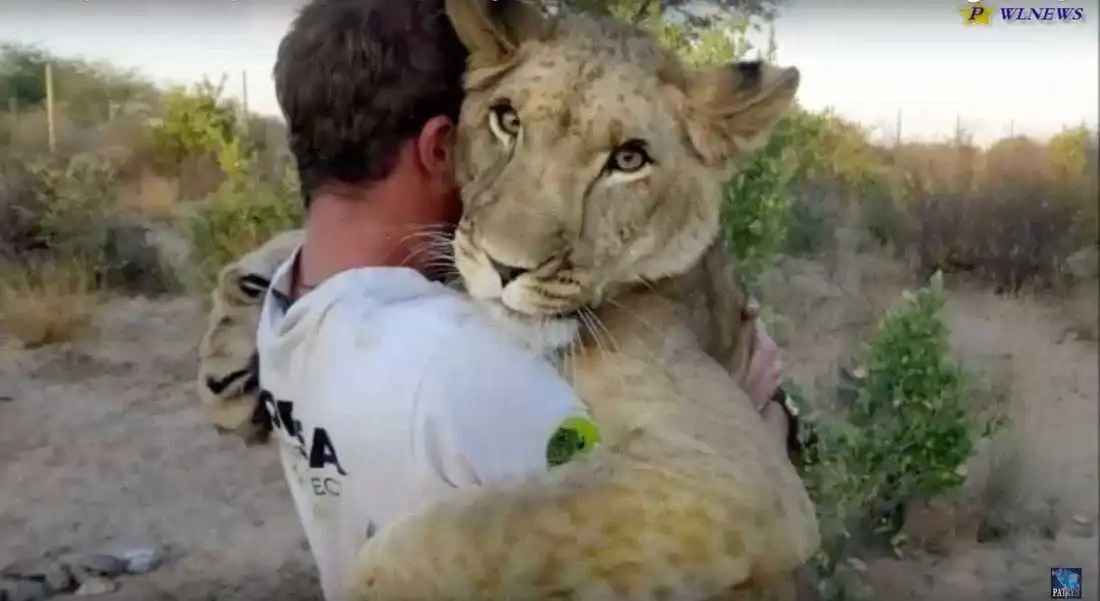
In the intricate tapestry of human-animal interactions, the lion stands as a potent symbol of both majesty and menace. Culturally revered yet feared, the lion’s relationship with humans necessitates an in-depth exploration, particularly through the lens of cultural relativism. This perspective encourages us to evaluate the concept of danger not as an absolute, but as a relative phenomenon deeply shaped by varying societal values, beliefs, and historical contexts. So, are lions truly dangerous to humans? The answer is complex and nuanced, inviting one to ponder the intricate behaviors of these majestic felidae.
Firstly, it is pivotal to comprehend lion behavior within the context of their ecological niche. Lions, as apex predators, play an integral role in ecosystem dynamics. Their predatory instincts are not simply about survival; they are innately tied to their social structures and territorial practices. Unlike solitary big cats, lions exhibit extraordinary social behavior, living in prides. These social bonds influence their interactions, not just within their species, but with other organisms, including humans. Encounters often occur in areas where human expansion encroaches upon wildlife habitats, leading to increased interaction and conflict. Thus, one must question if lions exhibit danger or if humans inadvertently provoke such fears through habitat encroachment.
From a cultural relativist standpoint, the perception of lions as dangerous varies remarkably across different societies. In regions where humans coexist more closely with lions, such as parts of Africa, the narrative shifts. Here, lions are often viewed as part of the landscape, integrated into local folklore, and sometimes even revered as symbols of strength or guardianship. In contrast, in regions devoid of such proximity, the perception aligns more closely with fear and danger. This discordance leads one to consider: Are lions genuinely dangerous, or is danger a socio-culturally constructed narrative? The danger attributed to lions may be a reflection of human fear of the unknown, deeply rooted in myths and stories passed down through generations.
Historically, human-animal conflict has been documented extensively. Records show that as human populations expand and encroach upon natural habitats, predation incidents rise. Livestock loss, often blamed on lions, fuels resentment and fear, resulting in retaliatory measures against these apex predators. Such actions, often culturally justified, lead to a continuous cycle of conflict, perpetuating the perception of danger associated with lions. However, here again, the cultural context matters—while some societies seek coexistence through conservation efforts, others resort to culling, leading to a divergent understanding of lions as either protectors of the ecosystem or harbingers of destruction.
The impact of cultural narratives on human interactions with lions cannot be understated. In Western media, the portrayal of lions tends to be sensationalized. They are depicted as vicious beasts, lurking in the shadows, waiting to pounce. This portrayal promotes a mindset steeped in fear and misunderstanding. Such dramatization overlooks the innate behaviors of lions, which typically avoid human contact unless threatened or habituated to human presence. The consequence of these portrayals is a distorted relationship, where lions are relegated to the role of monstrous entities rather than sentient beings deserving of respect and understanding.
Moreover, the intersection of conservation efforts and cultural narratives presents an intriguing paradox. Some communities are pioneering innovative approaches to lion conservation that recognize the cultural significance of these animals. For instance, initiatives that engage local populations in wildlife tourism offer alternative livelihoods and promote a sense of stewardship. Such efforts challenge the notion of lions as mere dangers and instead frame them as vital components of biodiversity, worthy of preservation. This paradigm shift is essential for fostering coexistence, mitigating human-lion conflict, and re-evaluating what constitutes danger.
As conservationists delve deeper into cultural relativism, they unravel the threads connecting human beliefs with wildlife management. Understanding that definitions of danger are steeped in culture encourages dialogue that transcends mere fear. In societies where lions are held in high esteem, their conservation can become a community endeavor rather than a contentious issue. Community-led initiatives aimed at protecting lions while simultaneously safeguarding livestock can generate a culture of cooperation rather than conflict. In this context, it becomes apparent that humans are not merely victims of lion aggression but active participants in a shared habitat.
Furthermore, understanding lion behavior through a cultural lens invites questions about empathy and moral obligations. Are humans justified in deeming lions as dangerous based solely on fearful encounters? Can a more profound understanding of lion behavior and their ecological roles foster greater empathy and, consequently, mitigate fears? Perhaps realizing that lions are not mindless killers, but rather sophisticated social hunters, capable of emotions and complex interactions, can alter our perspective. Recognizing that they too, like humans, are driven by survival rather than malignance may promote a deeper respect for their existence.
In conclusion, the question of whether lions are dangerous to humans cannot be rendered in black and white. Instead, it is intricately woven into the cultural, historical, and ecological fabric of societies. As we reconsider our relationship with these magnificent creatures, adopting a perspective rooted in cultural relativism is paramount. By acknowledging that danger is often a socially constructed perception shaped by individual narratives and experiences, we can foster a more harmonious coexistence. Whether viewed as dangerous predators or venerable icons, the lion invites us to examine not only its behavior but also our beliefs as we share a planet. The exploration of this relationship promises not only to enhance our understanding of lion behavior but also to enrich our cultural narratives—transforming fear into curiosity, conflict into cooperation, and danger into a deeper, shared existential dialogue.