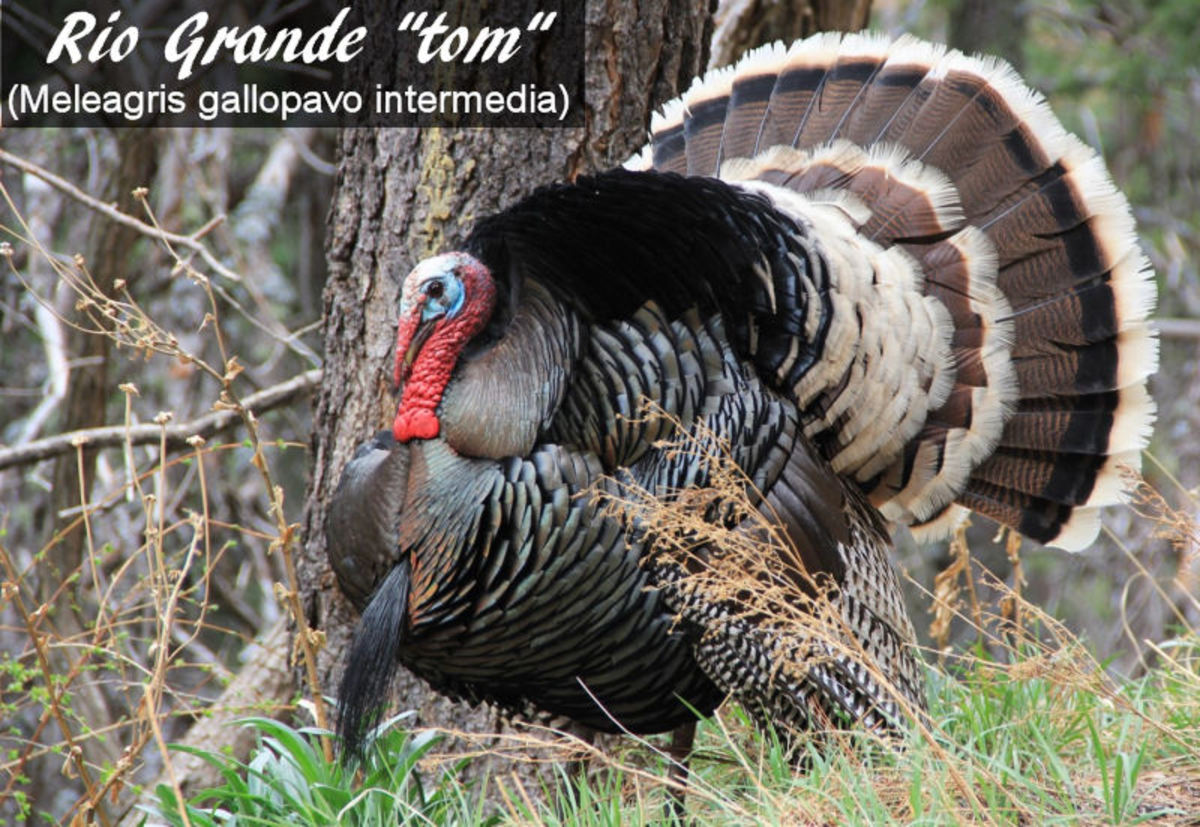
Are turkeys native to North America? This seemingly innocuous query merits deeper exploration, especially when viewed through the multifaceted lens of cultural relativism. The wild turkey (Meleagris gallopavo), an emblematic creature in the tapestry of North American wildlife, invites examination not merely as a biological entity but as a cultural artifact interwoven with the historical narratives of indigenous peoples and colonists alike.
To embark upon this inquiry, we must first traverse the geological and biological landscape that underpins the turkey’s presence in North America. The wild turkey is indeed native to the continent, evolving into distinct subspecies adapted to various locales from the arid deserts of the Southwest to the temperate woodlands of the East. This evolutionary lineage positions the wild turkey as a quintessential symbol of North American fauna, one that has existed for thousands of years, long before European contact.
However, the question of native status extends beyond mere biological origins; it envelops the rich tapestry of cultural histories that have formed around this bird. Indigenous groups have integrated turkeys into their livelihoods, culinary traditions, and spiritual practices. For instance, the Powhatan Confederacy, among other tribes, held the wild turkey in high esteem, not simply as a source of sustenance but as an integral component of their communal ceremonies and rituals.
Upon European contact in the 16th century, the understanding and representation of turkeys underwent a remarkable transformation. Colonists from England and Spain initially misidentified the bird due to its unfamiliarity, associating it with the region from whence they procured the bird: Turkey, in the Middle East. This nomenclature, though erroneous, persisted, revealing how cultural misunderstandings can scaffold new narratives that redefine the essence of a species.
What’s particularly intriguing is how the relationship between humans and turkeys evolved in the context of colonization. Wild turkeys became a staple of the colonial diet, serving not only as sustenance but also as a symbol of bounteous harvests. The wild turkey was incorporated into various cultural milestones, notably during the Thanksgiving feast—an event intricately intertwined with narratives of cooperation, survival, and, unfortunately, conflict between indigenous populations and European settlers.
As we delve deeper, we encounter the concept of cultural relativism, which encourages the examination of traditions, beliefs, and behaviors within their own cultural contexts rather than through an ethnocentric lens. The portrayal of the wild turkey varies significantly among different communities. For indigenous peoples, the turkey symbolizes life, sustenance, and continuity, while for European settlers, it transformed into a commodity intimately linked to notions of abundance and prosperity.
The playful question surfaces again: are turkeys, in their essence, merely birds, or are they reflections of our cultures, histories, and shifting paradigms? From a cultural relativism standpoint, the answer is decidedly multifaceted. The wild turkey serves not only ecological roles such as pest control and seed dispersal but also functions as a potent cultural emblem that celebrates biodiversity and heritage. This duality challenges us to contemplate how species, including the wild turkey, embody the intersection of ecological and cultural narratives.
In contemporary society, the image of the turkey has evolved yet again. The domestication of turkeys for agricultural purposes has led to a significant divergence from their wild counterparts. The broad-breasted white turkey, commonly seen in industrial farming, diverges vastly from the wild turkey in both genetics and behavior. This domestication trend raises ethical dialogues concerning environmental sustainability, health consciousness, and a return to traditional practices. Returning to cultural roots, some chefs and groups advocate for the consumption of heritage breeds, such as the Bourbon Red, which mirrors the wild turkey’s robust characteristics while fostering biodiversity.
Consideration of the wild turkey through a cultural relativism framework further affirms the significance of local knowledge. Indigenous stewardship of natural resources contributes profoundly to conservation efforts and the understanding of ecological dynamics. Just as the turkey plays a role in human culinary traditions, it also signifies the interconnectedness of ecosystems. This interconnectedness mandates recognition and respect for indigenous practices that have existed in harmony with the environment for millennia.
Engaging with the wild turkey thus prompts reflection on broader ecological and cultural themes: biodiversity, sustainability, and the ethics of consumption. As we dissect the implications of wild versus domesticated turkeys, we should also acknowledge how the narratives we construct shape our relationship with nature.
In conclusion, the question of whether turkeys are native to North America transcends biological definitions. The wild turkey’s complex narrative weaves together ecological realities and cultural perceptions, illustrating the intricate ballet between species and human societies. Our understanding of the turkey—its origins, its role in various cultures, and its future in a rapidly changing world—urges us to recognize and celebrate the intricate interplay between nature and humanity. In doing so, we honor not only the wild turkey but also the myriad of stories that give life to this remarkable bird.