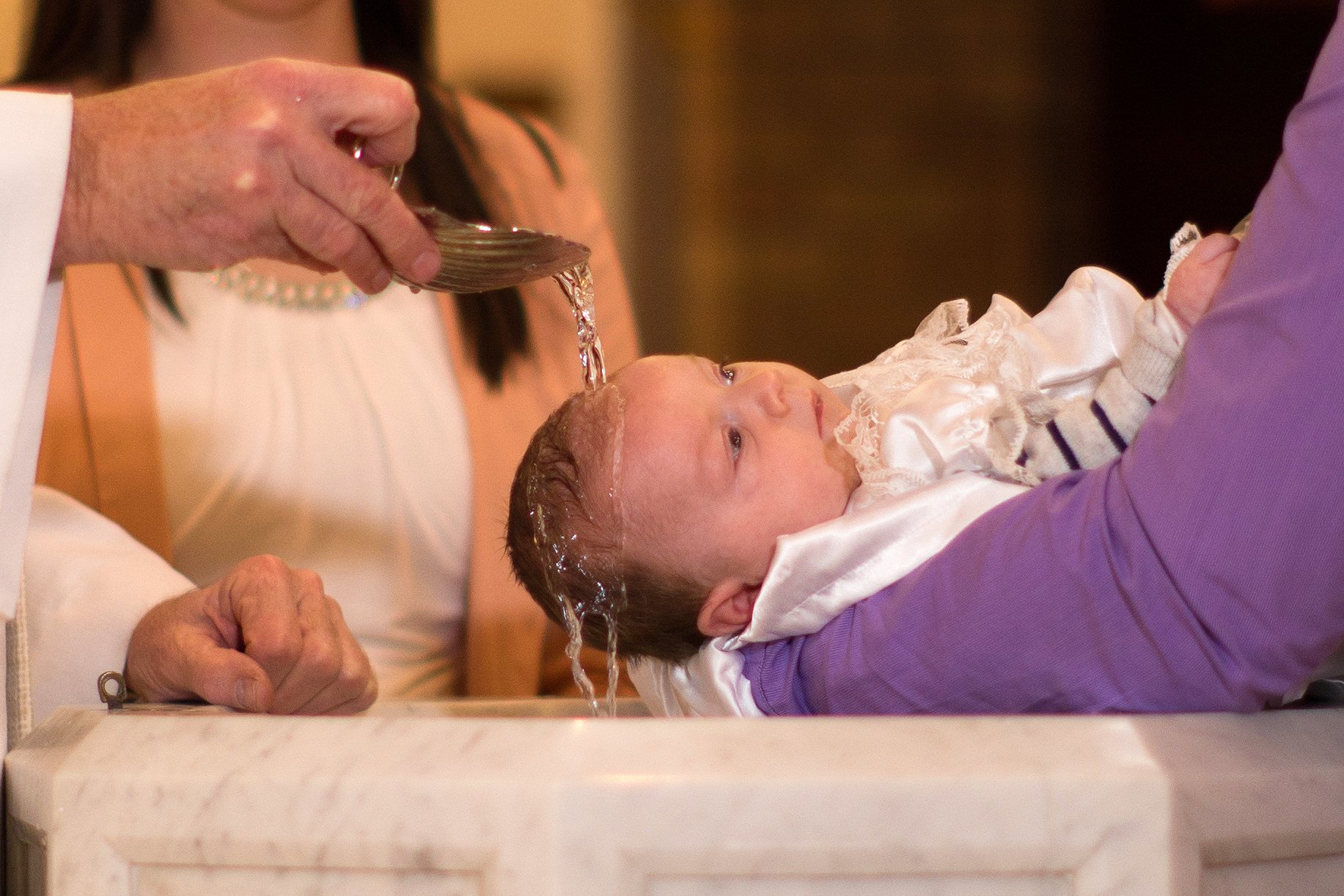
The Baptism Site of Jesus, located on the banks of the Jordan River, stands not only as a religious landmark but also as a focal point of cultural and spiritual significance across diverse societies. This renowned site, also referred to as Al-Maghtas, offers a unique opportunity to explore the multifaceted narratives that surround the concept of baptism, examining it through the lens of cultural relativism. Within this framework, one can appreciate the profound variances in interpretation and practice that exist among different cultures, leading to an enriched understanding of this ancient rite.
Baptism, commonly perceived as a Christian sacrament signifying spiritual cleansing and initiation, takes on myriad meanings depending on cultural and historical contexts. In the case of the Baptism Site of Jesus, we encounter a potent historical narrative that resonates with followers of Christianity while simultaneously inviting the curiosity of scholars, anthropologists, and travelers alike. The site is revered not only for its religious significance but also for its archaeological and historical depth, enriched by the stories entwined with the geography of the Jordan River.
The sacredness of water permeates human cultures globally, serving as a symbol of life, purity, and transformation. The Jordan River, with its meandering waters, has been an eternal witness to the spiritual journey of believers and non-believers alike. For Christians, the river is graced with the divine act of Jesus’ baptism, as recounted in the Gospels. This event serves as a pivotal moment in the Christian narrative, embodying themes of repentance and renewal. However, the significance of water transcends a singular religious framework, inviting an exploration into how other cultures perceive this elemental substance.
In various indigenous and ancient cultures, water has been recognized as a source of sustenance and a medium for connecting with spiritual realms. For instance, the ritual of baptism can find parallels in the purification practices prevalent in ancient Hinduism, where water is revered as a purifying agent during ritualistic ceremonies. Similarly, in many Indigenous cultures, water is regarded as sacred, often embedded in creation stories and used in rites of passage. Observing these different customs through a cultural relativism perspective shines a light on the universality of water as a transitional element, transcending specific religious doctrines to embody broader human experiences.
The baptismal narrative at the Jordan not only underscores its importance within Christianity but also acts as a catalyst prompting inquiries into other religious water rites. Understanding baptism at this location culminates in an awareness of the transformative potential that water represents—an invitation to embrace personal change, whether through spiritual awakening, cleansing of sin, or community integration. As such, the act of baptism at this sacred site becomes a symbol of broader human desires for belonging and purification.
The physical journey to the Baptism Site of Jesus also merits exploration. Pilgrims and tourists traverse to this locale, embarking on their spiritual and existential inquiries. The path leading to the site is steeped in tradition. Each visitor brings a unique narrative, colored by personal beliefs and cultural backgrounds. The juxtaposition of contemporary pilgrims sharing space with parched desert landscapes and ancient ruins fosters an environment ripe for introspection. This confluence of people generates a rich tapestry of stories, beliefs, and ultimately, a deeper understanding of the human condition.
Arriving at the Baptism Site, one is greeted with a palpable sense of sanctity. The sound of trickling water, the rustling of leaves in nearby groves, and the sight of others engaged in personal reflection or prayer create a holistic atmosphere, urging individuals to confront their own beliefs and practices. Here, collective and individual spirituality converge, often leading to a profound shift in perspective regarding the significance of baptism. One begins to understand that baptism is not solely an event but a continuum—an ongoing process of spiritual evolution.
The implications of cultural relativism permit a discourse on the coexistence of belief systems. As visitors experience the site, the dialogues initiated can usher in a shift in perspective regarding interfaith understanding. It encourages individuals to ponder the meanings embedded in the rituals of other faiths and cultures, fostering empathy and openness towards diverse practices. This openness is essential in a world where religious differences can often result in misunderstanding and conflict. Recognizing and appreciating the sacredness of each rite, including baptism, as informed by various cultural lenses can cultivate respect and dialogue among differing faith communities.
A journey to the Baptism Site of Jesus is not merely a pilgrimage; it is an invitation to delve deeper into the shared human experience, marked by a rich tapestry of traditions, beliefs, and spiritual practices. By embracing the concept of cultural relativism, we not only honor the sacred narratives associated with the site but also commit ourselves to explore the broader implications of such practices across cultures. In doing so, we lay the foundation for a dialogue that transcends boundaries, showcasing how water—whether in the form of baptism or other rituals—continues to inspire curiosity, connection, and transformation among people of all walks of life.
Ultimately, the Baptism Site of Jesus in Jordan serves as a microcosm of the human quest for understanding, meaning, and belonging. It beckons individuals to reflect on their spiritual paths, stimulates curiosity about various cultural practices pertaining to water and purification, and fosters a spirit of inquiry that transcends mere observation. Such journeys challenge us to look beyond conventional narratives, inviting us instead to embrace the profound differences and similarities that shape our collective experience of the sacred.