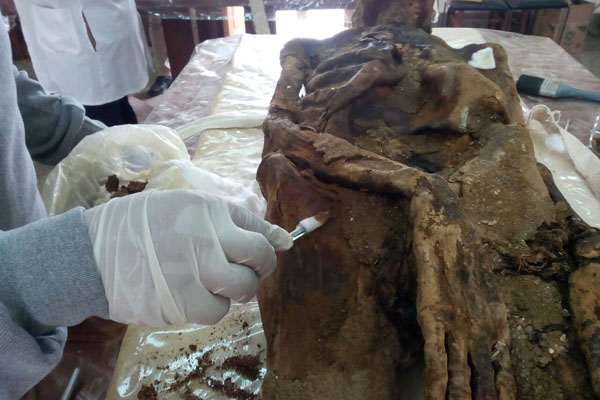
Archaeological discoveries continually reshape our understanding of human origins, and recent findings have sparked renewed interest in the study of the birthplace of humankind. The examination of ancient sites has unveiled a wealth of information about our ancestors, revealing not only their physical characteristics but also their cultural practices. This article navigates through the significant discoveries made by archaeologists in the context of cultural relativism, illustrating the profound implications these findings have on our understanding of humanity’s shared heritage.
The Context of Cultural Relativism
Cultural relativism posits that a person’s beliefs, values, and practices should be understood based on their cultural context rather than through the lens of another culture. In the realm of archaeology, this perspective is pivotal, as it allows researchers to approach ancient civilizations without imposing modern biases. By embracing cultural relativism, archaeologists can appreciate the complexities of ancient human societies and their divergent paths of development. In this light, recent archaeological discoveries can be interpreted through the prism of cultural uniqueness, providing insights into the social dynamics, environmental adaptations, and technological innovations of our ancestors.
Sites of Interest: The Cradle of Humankind
One of the most notable sites contributing to the understanding of human origins is the Cradle of Humankind, located in South Africa. This UNESCO World Heritage Site has yielded a plethora of fossils and artifacts dating back millions of years. Among the remarkable discoveries, the partial skeleton of a hominin known as ‘Little Foot’ has fascinated researchers. This specimen not only provides insight into the physical evolution of our ancestors but also raises questions about their lifestyles, including diet and social behavior.
More recently, the discovery of stone tools at the site, dating back approximately 2.6 million years, illustrates the cognitive advancements of early hominins. Tools made from local stones offer a glimpse into the resourcefulness and ingenuity of these ancient populations. The implications are profound; they suggest that technological development was not a linear progression but rather an intricate tapestry of cultural evolution influenced by environmental factors and social necessities.
Interpreting the Evidence: Biocultural Interactions
The relationship between the biological and cultural aspects of human evolution cannot be overlooked. Archaeological findings exhibit that physical adaptations often occurred alongside developments in social structures, dietary practices, and technological innovations. For instance, the remains found in ancient burial sites indicate complex rituals and beliefs about life and death. Such practices reflect a shared identity and underscore the role of culture in shaping human behavior.
The discovery of early art, such as cave paintings and carvings, further amplifies the significance of cultural expression in human evolution. These artistic endeavors reveal not only aesthetic values but also cognitive capabilities, suggesting that our ancestors engaged in abstract thinking. The interpretations of such artifacts can vary significantly across cultures, emphasizing the necessity of a culturally relative viewpoint when analyzing ancient human behaviors.
Global Connections: Migration and Exchange
Archaeological evidence suggests that migration patterns played a crucial role in the dispersal of early humans across continents. Studies of ancient DNA reveal complex interconnections between populations, illustrating how cultural exchange and adaptation were integral to human survival. This interconnectedness challenges prevailing notions of isolated cultures, revealing that early humans were not merely localized groups but part of a broader network of exchange.
Recent excavations in regions such as the Levant have uncovered evidence of technological diffusion, with tools and agricultural practices appearing to spread through cultural exchange rather than mere necessity. This phenomenon illustrates the dynamic interplay between biology and culture. The adoption of new techniques allowed for greater adaptability to varied environmental conditions, enhancing the survival of early communities.
The Implications of Cultural Relativism on Interpretation
The significance of cultural relativism in interpreting archaeological findings extends beyond mere academic discourse. It promotes a nuanced understanding that acknowledges the diversity of human experiences. By consciously avoiding ethnocentric interpretations, researchers can appreciate the vast array of cultural expressions that have emerged throughout history. For instance, burial practices varied widely among ancient civilizations, each reflecting unique views of the afterlife and community cohesion.
This understanding is paramount in reconstructing narratives that encompass the multiplicity of human existence. Differentiating between cultures allows for the acknowledgment of the rich tapestry of human history, steering away from monolithic narratives that overshadow minority voices. This approach fosters a more inclusive perspective, recognizing how various cultural practices contributed to the evolutionary saga of humankind.
Conclusion: Embracing Complexity in Human Origins
The journey toward understanding the birthplace of humankind reveals a complexity that transcends biological evolution. Recent archaeological discoveries, viewed through the lens of cultural relativism, illuminate the interplay between culture and biology. By recognizing the vast environmental, social, and technological contexts of our ancestors, we cultivate a deeper appreciation for the diverse narratives that construct the human experience. The trajectory of human development is not merely a story of survival but a mosaic of cultural expressions that define what it means to be human.
As research continues to unveil the intricacies of our past, the legacy of our ancestors serves as both a reminder and an inspiration. The path forward in anthropology and archaeology lies in an unwavering commitment to understanding the multifaceted nature of human beings, ultimately enriching our communal identity across time and space.