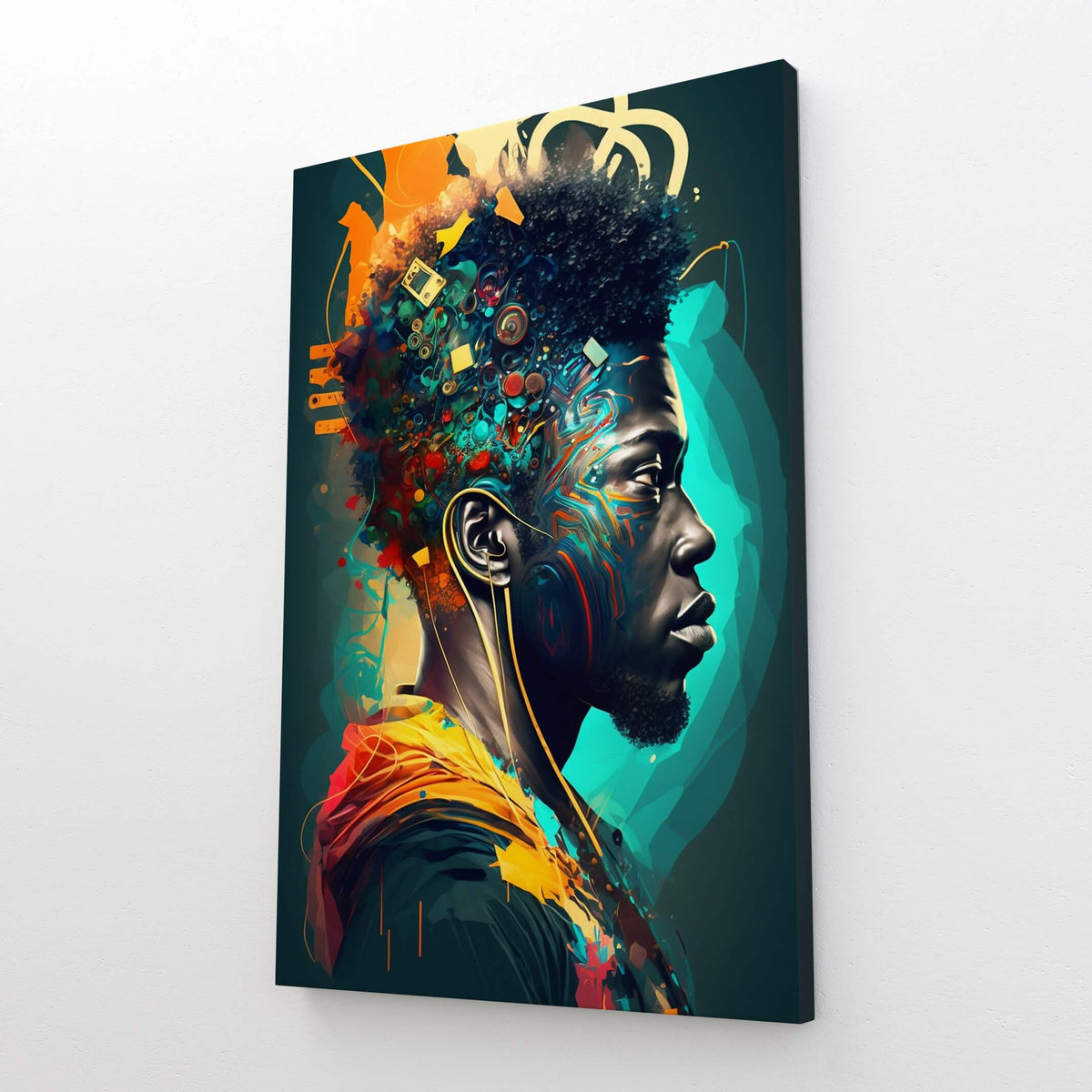
Black and white African wall art exemplifies a profound intertwinement of aesthetic appeal, cultural significance, and historical resonance. This dual-toned medium not only beautifies spaces but also encapsulates the diverse narratives of African heritage. How does one decipher the enigmatic symbolism embedded within these artistic expressions? Moreover, what challenges emerge when one interprets them through a lens of cultural relativism?
To understand the essence of black and white African wall art, it is essential to explore the symbolism inherent within this art form. Each piece serves as a conduit, transporting viewers into the rich tapestry of African identity. The use of black and white can be particularly evocative, often invoking themes of dualism—light versus dark, life versus death, and the visible versus the invisible. These dichotomies weave through the fabric of African cultures, revealing how they navigate complex realities.
In many cultures, colors carry distinct meanings. Black typically symbolizes strength, resilience, and fertility, while white is often associated with purity, spiritual elevation, and peace. Together, these colors can communicate a narrative that resonates deeply within the viewer, prompting contemplation of themes such as the ancestral lineage or the struggles faced by contemporary African societies. The interplay between these hues in wall art mirrors the socio-political landscapes that characterize various regions across the continent.
Additionally, the intricate designs prevalent in black and white African wall art play a pivotal role in expressing cultural heritage. Patterns often hold historical significance, serving as a bridge between generations. For instance, geometric shapes and motifs can represent tribal affiliations or convey messages pertinent to rituals and communal practices. The artistry encapsulated in these works can be seen as an abstract lexicon, allowing for personal and communal storytelling.
Moreover, the medium through which this art is produced further illustrates the dynamic nature of African cultures. Traditional methods, such as wood carvings and textiles, have been augmented by contemporary techniques, including digital art forms. This evolution raises questions about authenticity and preservation in a rapidly globalizing world. How do contemporary artists balance innovation with the cultural heritage upon which their work is founded? This inquiry invites a deeper analysis of the continuity and change within African art traditions.
When examining black and white African wall art, one must also consider the viewer’s perspective, particularly through the lens of cultural relativism. Cultural relativism posits that one should understand beliefs and practices in their own cultural context, free from ethnocentric judgments. This perspective confronts the challenge of interpretation. A piece of art that is imbued with cultural significance for one group may elicit a very different response from someone outside of that cultural milieu.
The potential for misunderstanding is inherent in cross-cultural exchanges. An individual might appreciate the aesthetic qualities of a piece without comprehending its deeper meanings or the socio-cultural dynamics it represents. This mismatch can lead to superficial interpretations or the commodification of art, stripping it of its original contextual richness. Therefore, acknowledging the art’s context becomes imperative for a more authentic appreciation.
Furthermore, this dichotomy prompts a critical dialogue regarding ownership and representation in the arts. As the global art market increasingly showcases black and white African wall art, discussions around cultural appropriation arise. Who has the right to create, sell, or display such cultural artifacts? The ethical implications of these questions create a complex web of consideration that interests anthropologists, historians, and artists alike.
In the context of globalization, the accessibility of African art has expanded, allowing for broader recognition and appreciation. Yet, this exposure can simultaneously dilute cultural significance, leading to a homogenization of artistic expression. The challenge lies in preserving authentic narratives while engaging with international audiences. African artists face the daunting task of ensuring their work conveys genuine cultural messages while also appealing to diverse viewers who may lack cultural context.
Consequently, the role of educators and curators becomes increasingly vital in fostering informed appreciation of black and white African wall art. It is essential to cultivate a framework that encourages viewers to engage with the artwork empathetically, rather than merely aesthetically. Workshops, lectures, and exhibitions that provide contextual information can enhance understanding and appreciation, promoting a more nuanced engagement with African cultures.
In conclusion, black and white African wall art stands as a powerful testament to the complexities of cultural expression. It serves as a medium rich in symbolism, heritage, and socio-political commentary. However, as the appreciation for this art form grows globally, the challenges of cultural relativism, interpretation, and representation become increasingly salient. How can we ensure that the beauty of this art is mirrored by a respect for its authenticity and context? This question remains integral to the ongoing discourse surrounding African artistic expression in a globalized world.