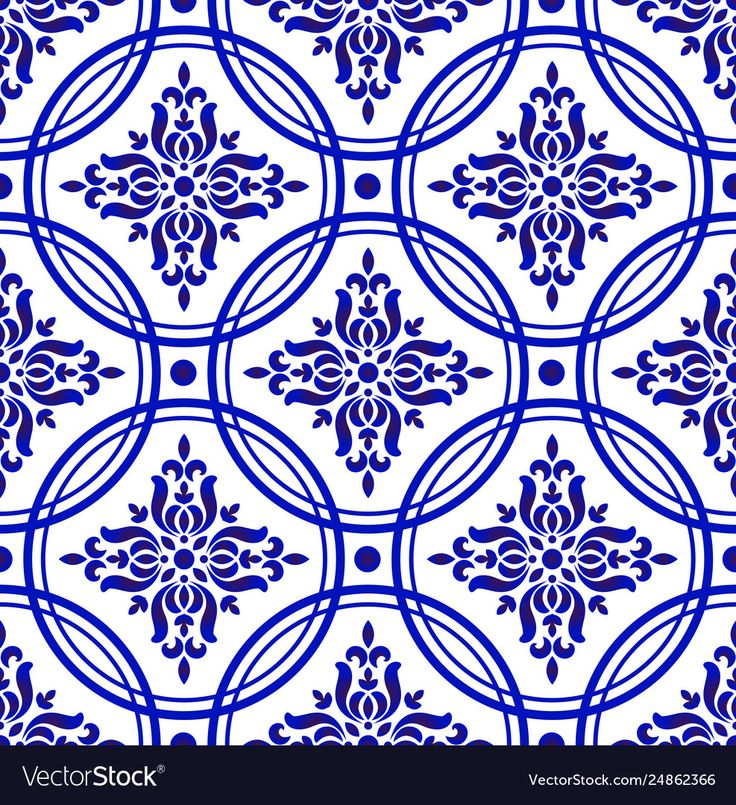
The allure of blue and white china, adorned with intricate patterns, evokes a sense of nostalgia and admiration that transcends time. These porcelain masterpieces have captured the imagination of collectors, historians, and casual admirers alike. At the intersection of artistry and cultural significance, blue and white china provides a fascinating window into the traditions and values of the societies from which they emerge. Understanding the names and origins of these patterns contributes to a broader appreciation of their symbolic meanings and enduring relevance.
The Origins of Blue and White China
Blue and white porcelain, predominantly produced in China, traces its roots back to the Tang Dynasty (618-907 AD) when cobalt blue pigments were first used to decorate pottery. The technique flourished during the Yuan Dynasty (1271-1368 AD) and reached its pinnacle in the Ming Dynasty (1368-1644 AD). During this period, the production of blue and white china proliferated, leading to innovative designs that reflected the social, political, and economic conditions of the time.
The pivotal role of trade routes, particularly the Silk Road, cannot be overstated. The introduction of blue and white porcelain to Europe during the 16th century ignited a fascination that would shape western artistic and dining customs. Moreover, the cultural diffusion that occurred as a result of these interactions facilitated an aesthetic exchange, leading to the adaptation and reinterpretation of Chinese motifs by European artisans.
Common Names and Their Symbolic Significance
Delving into the lexicon of blue and white china unveils a rich tapestry of patterns, each imbued with specific meanings and stories. Some of the most notable pattern names include:
- Willow Pattern: One of the most recognizable designs, the Willow pattern, tells a story of love and betrayal, featuring a pagoda, willow trees, and a bridge. Its origins are often debated, attributed to Chinese customs or Western reinterpretation. Regardless, it has become synonymous with the romantic idealization of Chinese culture in the West.
- Lotus: Exemplifying purity and enlightenment, the lotus pattern is emblematic of spiritual themes in Buddhism. This design resonates with individuals seeking deeper meanings, serving as a reminder of resilience and rebirth.
- Dragon and Phoenix: This auspicious pairing symbolizes the harmony of opposites, often reflecting themes of imperial power and marital bliss. The dragon represents strength and masculinity, while the phoenix embodies grace and femininity, underscoring the cultural relevance of duality in Chinese philosophy.
- Peony: Known as the ‘king of flowers,’ the peony pattern attracts attention for its opulence and association with wealth and prosperity. It represents the interconnectedness of beauty and fortune, enhancing its desirability as a decorative motif.
Each of these patterns, along with countless others, illustrates the intricate ways in which art forms weave together narratives that resonate across cultures. The fascination with these designs arises not merely from their aesthetic qualities but from their embedded stories and the cultural values they encapsulate.
Cultural Relativism and Perception
Cultural relativism posits that one must understand the beliefs and practices of another culture from their perspective rather than imposing external judgments. This framework is particularly pertinent when considering blue and white china. As these porcelain pieces traversed geographical and cultural boundaries, they were recontextualized, reflecting the unique tastes and values of varying societies.
For instance, European porcelain manufacturers, enamored with the exoticism of blue and white designs, sought to replicate and adapt these patterns to suit local aesthetic preferences. The resulting imitations, notably Delftware in the Netherlands and Wedgwood in England, reflect an intricate interplay between admiration and appropriation. In this light, the original Chinese motifs are reinterpreted, losing some of their intrinsic meanings while simultaneously gaining new significance in a different cultural milieu.
Furthermore, the obsession with blue and white china within Western societies often exposes underlying tendencies toward romanticization and commodification of non-Western cultures. The prevalence of these patterns in contemporary decor serves as a poignant reminder of colonial legacies and the continued fascination with the ‘exotic other.’
Conclusion
The enduring fascination with blue and white china patterns arises from their aesthetic beauty, historical significance, and the intricate cultural narratives they convey. By exploring the names and origins of these designs through the lens of cultural relativism, one uncovers a rich tapestry of meaning that transcends mere decoration. The stories embedded within blue and white china invite reflection on the complexities of cultural exchange and the mutable nature of artistic expression.
As these porcelain treasures continue to captivate audiences around the world, they stand as timeless examples of tradition and adaptation, urging us to look beyond the surface and appreciate the cultural dialogues that shape our shared human experience.