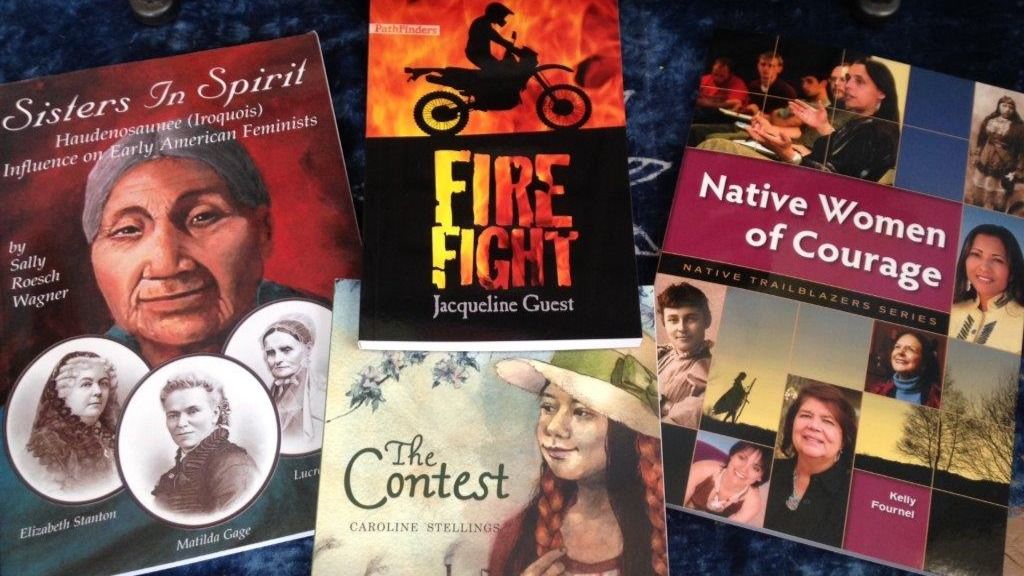
Books by Native American authors serve as profound vessels of cultural expression, evoking a symphony of spirit and survival. Their narratives, steeped in the rich traditions and histories of Indigenous peoples, function as both mirrors of the past and windows into the contemporary landscape of Native identity. This literary corpus invites readers to traverse the complexities of cultural relativism while illuminating the resilient spirit that informs each tale. In embarking on this exploration of Native literature, one encounters enchanting metaphors, lyrical prose, and poignant themes that resonate across generations.
At the heart of Native American literature lies an intricate relationship between storytelling and identity. Through the act of storytelling, authors weave an intricate tapestry that embodies collective memory. For many tribes, oral traditions are foundational, preserving histories, moral lessons, and spiritual beliefs. The written word, however, introduces a new medium that allows Indigenous voices to echo in a broader cultural context. This transition amplifies the narrative’s reach, transforming local stories into universal truths.
Using metaphor as a deft instrument, Native American authors illustrate the struggles and triumphs of their communities. Consider the metaphor of the journey: these narratives often depict protagonists embarking on physical or spiritual quests, symbolizing their paths toward self-discovery and cultural reclamation. Such journeys, whether through the vastness of the natural world or the labyrinthine corridors of memory, reflect the resilience of Native peoples in the face of historical and contemporary challenges.
One exemplary author whose work embodies this metaphorical journey is Louise Erdrich. Her novel, *The Round House*, explores the themes of justice and healing through the lens of a young boy grappling with his mother’s trauma following a violent crime. The physical setting of the house, a stark structure amidst the North Dakota landscape, becomes a metaphor for the home that is both protective and vulnerable. Erdrich’s use of descriptive language immerses readers in an environment that is laden with emotional weight, accentuating the interconnectedness of place, identity, and personal narrative.
Similarly, Sherman Alexie’s writings often reflect a world caught between tradition and modernity. In *The Lone Ranger and Tonto Fistfight in Heaven*, Alexie uses humor and satire to convey the complexities of contemporary Native life. The characters’ experiences serve as metaphors for the struggle to navigate a world that frequently sidelines Indigenous perspectives. Through his poignant storytelling, Alexie magnifies the paradoxes of existence, encouraging readers to reconcile conflicting identities and cultural experiences.
The concept of cultural relativism further enriches the understanding of Native American literature. It posits that one’s beliefs and values must be understood within their cultural context. This perspective is particularly salient when examining books authored by Native writers, as they encapsulate the diversity of thought and experience within Indigenous communities. Works by authors such as N. Scott Momaday and Joy Harjo delve into the spiritual dimensions of life, weaving elements of nature and mythology into their narratives. Such intertwinements suggest that experiences are not isolated events but are interconnected within a broader tapestry of life.
Momaday’s *House Made of Dawn* epitomizes this idea, where the protagonist’s journey home symbolizes a reconnection with traditional heritage. The ebb and flow of nature throughout the novel serves as a powerful metaphor for the cycles of life inherent in Indigenous culture. Every sunrise and sunset refracts the struggle and resilience of the characters, reinforcing the sentiment that survival is an integral part of the Native narrative.
Moreover, the work of Joy Harjo, a Pulitzer Prize-winning poet and the first Native American Poet Laureate of the United States, elevates the spiritual aspects of Indigenous literature. Her poem *An American Sunrise* revitalizes memories of her ancestors and the land they inhabited. The imagery in her work resonates with the concept of place, reminding readers that real estate cannot merely be viewed through the lens of ownership but must be understood as a sacred connection to identity and history.
In addition to the metaphorical nuances and cultural context, there lies a unique appeal in the distinct narrative styles and stylistic choices employed by Native American authors. The blend of poetry, lyricism, and prose reflects an inherent musicality, reminiscent of oral storytelling traditions. This resonates with the reader on a visceral level, inviting empathy and a deeper understanding of Native experiences. Novels often flow like rivers, each chapter cutting through layers of meaning and emotion, creating an immersive experience that transcends the written word.
Moreover, the appeal of Native American literature is also fortified by its embrace of modern themes, such as environmentalism, identity politics, and social justice. Many authors advocate for Indigenous rights and ecological stewardship, linking the survival of cultural identities with the health of the land. Through fiction, poetry, and essays, they articulate a holistic worldview that challenges the often fragmented narratives presented in mainstream literature.
In conclusion, books by Native American authors serve not merely as texts but as essential chronicles of spirit and survival. Through rich metaphorical landscapes, compelling narrative journeys, and the integration of cultural relativism, these works foster a profound appreciation for the complexities of Indigenous identity. They remind us that literature has the power to transcend boundaries and forge connections, allowing readers to engage with and reflect upon the rich tapestry of human experience. In every page, there exists an invitation to not only understand but to empathize with the enduring spirit of those who weave their stories into the fabric of our collective consciousness.