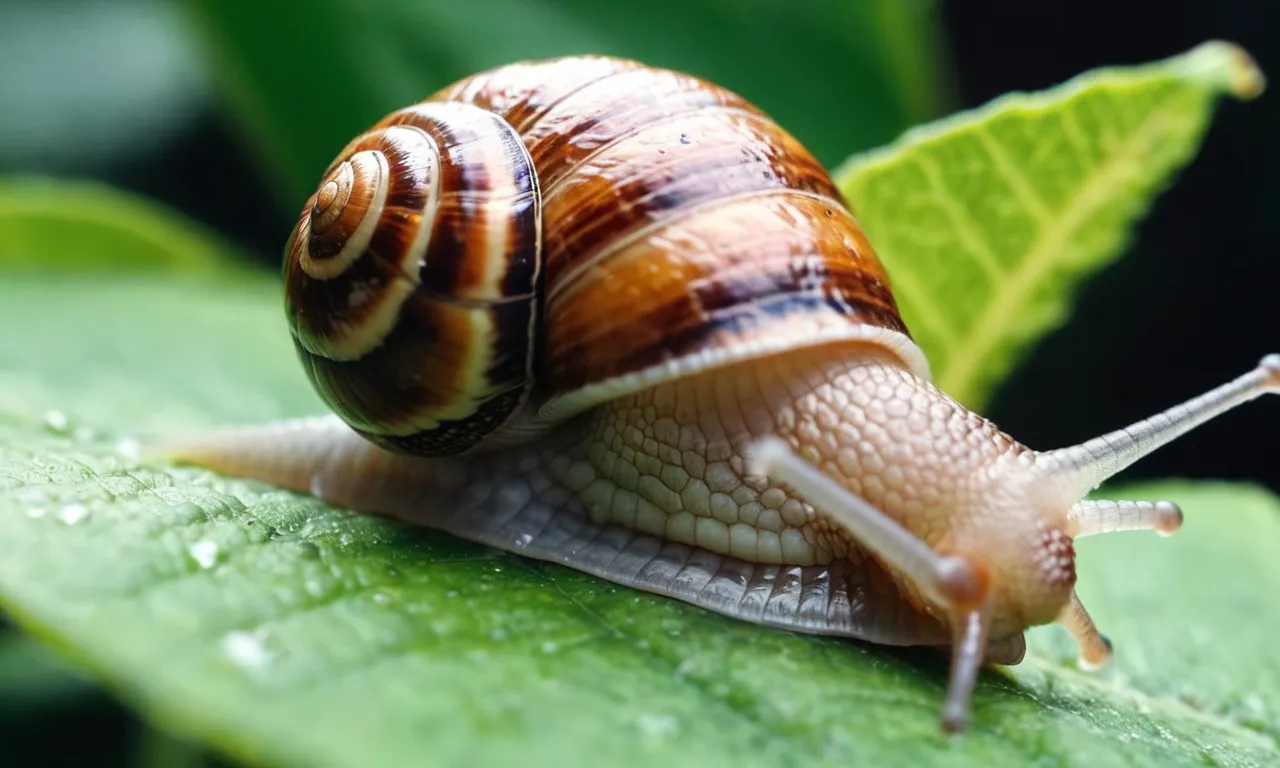
Snails have intrigued scientists and laypersons alike for centuries, not merely due to their unique anatomy but also because of their ecological significance and the metaphorical weight they carry in various cultures. This article delves into the question of whether snails can survive without their shells, exploring not only the biological realities but also the cultural implications and the deeper philosophical inquiries that arise from this peculiar conundrum.
At a biological level, a snail’s shell is more than a mere external structure; it serves as a vital protective barrier against predators and environmental hazards. Comprising mostly calcium carbonate, the shell is integral for the mollusk’s survival. When a snail is deprived of its shell—a condition that may arise due to trauma or predation—the physiological ramifications can be dire. Most notably, the soft-bodied organism becomes profoundly vulnerable, facing desiccation and increased predation risks. Indeed, while some marine gastropods are known to adapt to shell loss through thick mucus secretion or behavioral changes, the terrestrial varieties typically cannot endure life without this essential exoskeleton.
The fascination with this aspect of snail survival extends beyond biology, prompting inquiries into the symbolic relevance of shells within human culture. In many societies, snails and their shells have served as metaphors for vulnerability, resilience, and even femininity. The act of carrying one’s home—a notion personified by the snail—evokes a rich tapestry of psychosocial interpretations. The presence of a shell can be likened to the protective mechanisms individuals employ in society, influencing how one navigates relationships and confronts existential threats.
In examining cultural relativism, one must acknowledge the diverse ways in which various civilizations have perceived snails and their shells. For example, in some Indigenous cultures, shells are not merely remnants of a biological process but possess intrinsic value as symbols of sustenance and adaptability. This perspective alters the discourse regarding the snail’s dependency on its shell, reframing the narrative around survival. It remains of paramount importance to appreciate that cultural significance often informs interpretations of biological phenomena, suggesting a dual framework for understanding life.
Furthermore, the duality of the shell serves as an allegory for societal constructs. In contemporary urban settings dominated by fast-paced lifestyles, the metaphorical shell may symbolize the various façades individuals adopt to shield themselves from the surrounding chaos. Therefore, while snails may perish without their shells, humans possess greater agency, often choosing to either embrace or discard their protective layers. This philosophical inquiry triggers a deeper reflection on the interplay between vulnerability and resilience, igniting dialogues that extend well beyond the realm of biology.
The psychological dimensions of this inquiry cannot be overlooked. The snails, in their naturally vulnerable states, echo humankind’s intrinsic feelings of insecurity and their quest for safety. The cultural portrayal of snails varies vastly; in some societies, they are considered delicacies, while in others, they embody patience and perseverance. This variegated concept of the shell can be juxtaposed with modern societal phenomena, such as the digital age’s alter egos and avatars. Indeed, many individuals engage in selective ‘masking’ in the online world, akin to a snail’s shell, as a protective measure against the perceived exposure of their true selves.
Yet, we must critically assess the implications of relegating such creatures to mere symbols in human culture. This anthropocentric view can lead to existential neglect of the biological realities that snails face. The environmental significance of snails in their ecosystems, particularly in nutrient cycling and soil health, prompts a reassessment of their roles beyond the constraints of cultural interpretation. Their impact on biodiversity and ecological stability poses a return to the question of survival—can we afford to disregard the fragility imposed by shell loss, both on an individual level and as a species more generally?
Incorporating ecological thinking into our exploration of snails could foster greater advocacy for biodiversity conservation. Understanding that the survival of these creatures is not just a biological concern, but also a reflection of our broader ecological interdependence, challenges assumptions about the complacency of the modern world. It implies that the narratives we construct around snails—and their shells—must be informed by both empirical knowledge and cultural wisdom, acknowledging that our fates may be intertwined.
In conclusion, the question of whether snails can live without their shells invites multifaceted interpretations that span biological, cultural, and philosophical realms. The intricacies of snail biology reveal vulnerabilities that evoke profound questions of survival and identity. Through the lens of cultural relativism, the symbolism of the shell evolves, bridging the gap between the visceral existence of gastropods and the metaphorical realizations that dwell within human societies. By embracing this complexity, we not only gain insight into the lives of snails but also deepen our understanding of our place within the intricate web of life. Ultimately, the snail’s journey is intertwined with our own narratives of existence, making this exploration as much about humanity as it is about the humble mollusk.