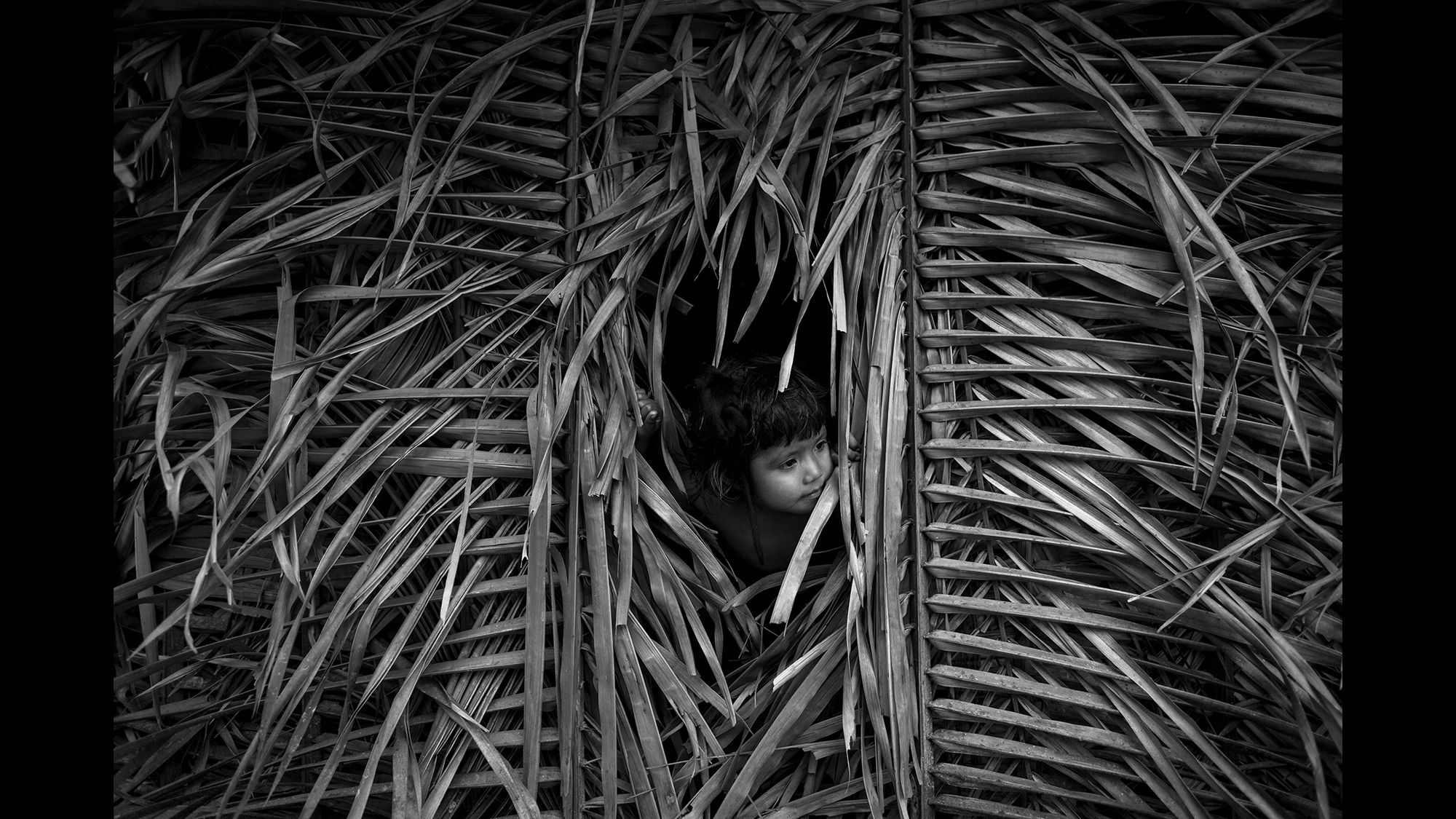
The Amazon rainforest, a verdant tapestry of biodiversity and cultures, unfurls a myriad of narratives, both captivating and controversial. Among its most enigmatic inhabitants are the so-called “cannibal tribes,” a phrase that arouses curiosity yet often misrepresents the complexities of indigenous life. This article endeavors to dissect the intricate webs of fact and fiction surrounding these tribes through a lens of cultural relativism, illuminating the profound implications of anthropological scholarship.
The term “cannibalism” often conjures visceral images and evokes moral repugnance. However, within many indigenous cultures, the act takes on multifaceted meanings that transcend mere consumption of human flesh. Understanding these nuances requires a willingness to engage with indigenous worldviews. To this end, the concept of cultural relativism plays a pivotal role. It posits that one must interpret behaviors, practices, and belief systems within the cultural context that birthed them. Thus, the term “cannibal” ceases to be a pejorative, transforming instead into a complex social construct that demands a critical examination.
Historically, the discourse surrounding Amazonian tribes has been invariably tainted by colonial legacies. Early explorers and missionaries often portrayed indigenous peoples as savages, framing their practices through a Eurocentric lens. In this paradigm, cannibalism was not merely a dietary choice but a testament to barbarism and primitivism. Such portrayals served political and economic ends, justifying the colonial enterprise and its attendant violence. They painted a misleading picture that was often steeped in sensationalism and a fundamental misunderstanding of tribal customs.
Within certain Amazonian communities, the act of consuming human flesh can symbolize reverence, a connection to ancestral spirits, or a ritualistic acknowledgment of defeat in the context of warfare. For example, among the Tupinambá of Brazil, the consumption of a slain enemy was often seen as a means of absorbing their valor. Such frameworks challenge the ethnocentric views that dismiss these practices as mere brutality. Instead, they compel us to recognize diverse systems of meaning that govern human behavior. The implications of such understanding are profound, signaling a far-reaching shift in perspective regarding what constitutes moral and ethical conduct.
Moreover, anthropological inquiry into the cannibalistic practices of Amazonian tribes reveals a tapestry of social structures, beliefs, and traditions that challenge reductive narratives. Many tribes engage in warfare, ritualistic cannibalism, and elaborate mourning practices that intertwine food, death, and identity. For the Yanomami, who have been historically labeled as cannibals due to their practices surrounding the dead, the consumption of flesh is intimately tied to their cosmology and social cohesion. By partaking in such acts, they reinforce communal bonds and reflect on the cyclical nature of life and death.
The prevailing narratives, often sensationalized, could lead to ethical dilemmas in the representation of indigenous cultures. Researchers and academics have a social responsibility to foster an informed dialogue, one that acknowledges the agency of indigenous peoples while also respecting their traditions. Responsible anthropological practices necessitate collaboration and inclusivity, emphasizing the voices of indigenous groups themselves in the academic discourse. This inclusion not only enriches the understanding of cultural practices but also allows indigenous communities to reclaim their narratives from the clutches of external interpretation.
The aspect of ritual cannibalism in the Amazon also provokes further inquiry into the psychological and spiritual dimensions of these practices. Psychological anthropology can illuminate the intersections of identity, ritual, and social structure in ways that normative psychological frameworks cannot. The act of consuming a deceased kin or enemy becomes an existential engagement, reflecting deep-seated fears, desires, and the fabric of communal life. Such rituals may carry with them cathartic significance, serving as mechanisms for grief, vengeance, and ultimately reconciliation.
Contemporary representations in media and literature often exacerbate misunderstandings. The stereotype of the savage cannibal perpetuates tropes that inhibit genuine engagement with the richness of Amazonian cultures. Films, books, and news outlets risk presenting a monolithic image that oversimplifies complex realities. Additionally, the ramifications of these portrayals are far-reaching, influencing both public perception and policy decisions that impact indigenous land rights, cultural preservation, and autonomy.
As anthropologists and scholars increasingly critique previous frameworks, they advocate for an interdisciplinary approach that encompasses ecological, political, and social factors influencing these communities. The intersection of anthropology with environmental science, for instance, prompts a reevaluation of how indigenous land stewardship interacts with global environmental concerns. The preservation of Amazonian tribes and their practices becomes critical not merely from a cultural standpoint but also in the broader context of biodiversity and climate change.
The discourse surrounding cannibal tribes within the Amazon serves as a microcosm of broader societal attitudes toward the ‘Other.’ It unfolds a complex narrative that oscillates between fear and fascination. Embracing cultural relativism compels a transformation in how societies perceive their differences and similarities. Recognizing the interconnectedness of human experience fosters empathy and understanding, paving the way for more respectful and informed interactions.
In conclusion, the cultural practices of Amazonian tribes, often shrouded in mystery and stigma, beckon us to engage deeply with our assumptions and biases. Cannibalism, far from being a sensational footnote in anthropological literature, emerges as a rich tapestry woven with meaning, history, and belief. Embracing the complexities of these narratives can unveil vital insights into the human condition, prompting a reevaluation of morality, identity, and the intricate workings of culture itself.