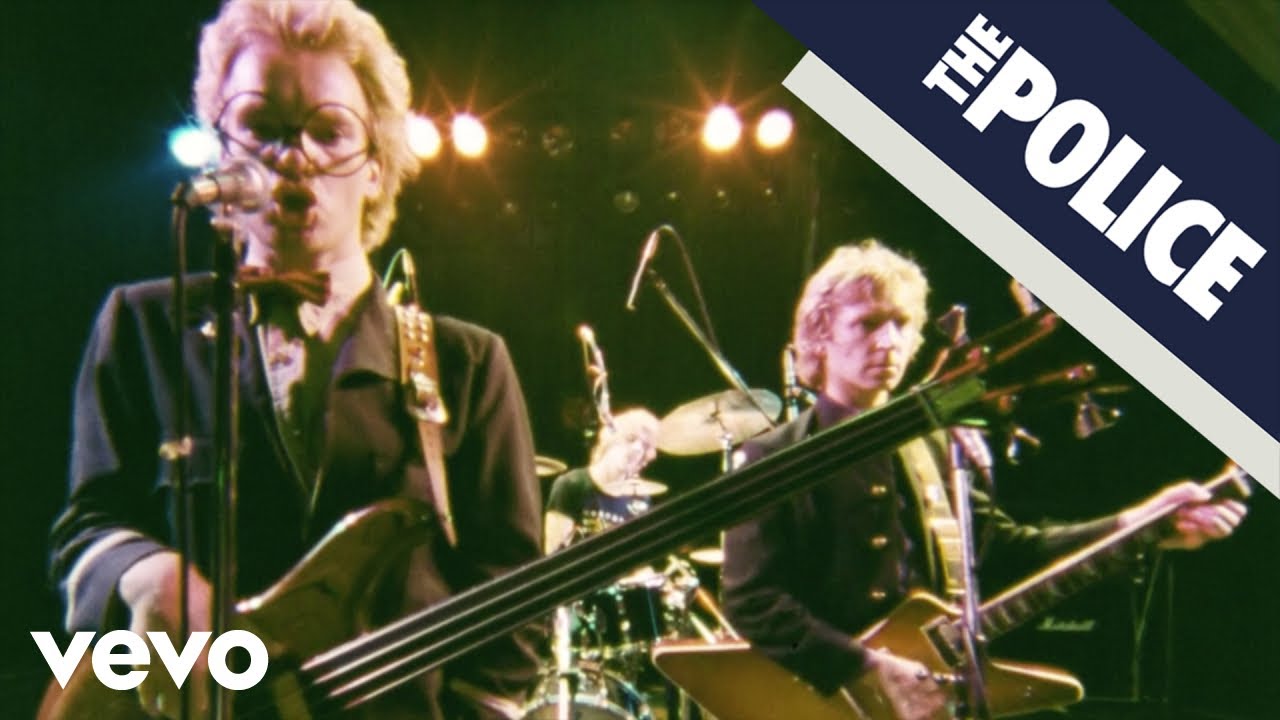
“Can’t Stand Losing You,” a song by the iconic British rock band The Police, epitomizes a multifaceted exploration of human emotion through the conduit of music. This piece delves into the intersections of musical expression and cultural understanding, inviting listeners and scholars alike to consider its resonance beyond mere auditory experience. In scrutinizing this track, one encounters a tapestry woven from threads of sorrow, longing, and existential contemplation. The song’s lyrical depth and sonic architecture invite an academic inquiry into its broader cultural implications.
The Police, formed in the late 1970s, amalgamated punk rock energy with reggae rhythms, crafting a sound that was both distinctive and accessible. The band’s music, and particularly “Can’t Stand Losing You,” reflects the zeitgeist of the era—an amalgamation of emotional turbulence and societal upheaval. The lyrical preoccupation with loss not only resonates on a personal level but also serves as a commentary on the collective human experience, a theme foundational to cultural relativism.
Cultural relativism posits that one’s beliefs and values must be understood in the context of their own culture rather than judged against another, fostering an appreciation for multiplicity in human experience. In examining “Can’t Stand Losing You” through this lens, we uncover layers of meaning that transcend geographical and temporal boundaries. The sharp dichotomy between love’s euphoria and heartbreak is not merely an individual experience but a universal narrative transcending cultural confines. The progression of the song reflects an overarching theme: the agonizing struggle to reconcile affection with the painful specter of loss.
At the heart of the song lies an exploration of attachment—both romantic and existential. The protagonist’s emotional turmoil is articulated through vivid imagery and lyrical poignancy. Within the confines of Western musical paradigms, one often encounters narratives steeped in expressionistic honesty, and this track is no exception. The chorus, punctuated by visceral emotion, evokes a profound sense of vulnerability. Such an emotional landscape invites listeners from disparate backgrounds to engage in a form of cultural empathy. The anguish expressed in the lyrics reverberates with anyone who has navigated the choppy waters of affection; thus, the song transcends its immediate cultural context.
The instrumentation further augments the song’s emotional toll. Drawing from reggae influences, the syncopated rhythms create a distinctive auditory landscape that complements the lyrical content. The fusion of rock and reggae not only exemplifies genre-blending but also mirrors the layers of the human experience itself—complex, often contradictory, and always evocative. Through this sonic fabric, The Police encourage listeners to confront their emotions head-on. The deft interplay between the driving beat and the mournful lyrics encapsulates the ambivalence of love—a central theme in both individual and collective cultural narratives.
Moreover, the song’s reception and enduring popularity can be analyzed through the lens of cultural relativism, revealing how diverse audiences interpret and internalize its message. For audiences familiar with the band’s exploration of themes tied to personal and societal conflict, the song serves as a poignant reminder of the fragility of human connection. In cultures where emotional expression is tightly regulated, the raw honesty of “Can’t Stand Losing You” may be seen as both a liberating force and a provocative challenge to social norms. The juxtaposition of personal vulnerability against the backdrop of societal expectation encapsulates the struggle inherent in navigating the modern human condition.
This song also opens a dialogue around the concept of existential loss, suggesting that the pain of losing someone is not merely a personal ache but a broader commentary on life’s ephemeral nature. The lyrics paint a picture of desperation intertwined with attachment—a narrative that instigates reflection on mortality and the transitory essence of relationships. In this light, the song becomes not just a lament for lost love but a broader meditation on human existence itself, a theme that resonates with various cultures’ philosophies regarding life and death.
As listeners engage with “Can’t Stand Losing You,” they are invited to cross the thresholds of personal experience and cultural understanding. The song’s accessibility fosters an environment in which listeners from varying backgrounds can find common ground, thus fulfilling one of the key tenets of cultural relativism—the acknowledgment that while cultures may differ, the emotional truths they grapple with are often similar. It encourages a sense of shared humanity in the face of loss, urging individuals to traverse the emotional landscapes depicted within the music.
In summation, “Can’t Stand Losing You” serves as a profound commentary on the complexities of love and loss, an exploration of human emotion that defies cultural boundaries. Through the confluence of intricate lyrics and innovative soundscapes, The Police craft a musical experience imbued with depth and resonance. This artistic endeavor transcends the constraints of its time and origin, offering a poignant reflection on the universality of human experience. Such a perspective promotes curiosity and a deeper understanding of the ways in which music can serve as both a mirror and a lens through which we can contemplate the intricacies of life and the inevitable losses therein.
Experiencing this song is not merely an act of listening but rather an engagement in a dialogue—a conversation with oneself, with the music, and with the myriad cultural narratives that shape our understanding of love and loss. Indeed, “Can’t Stand Losing You” remains an enduring testament to the power of music as a cultural artifact that continues to invite reflection and connection across the globe.