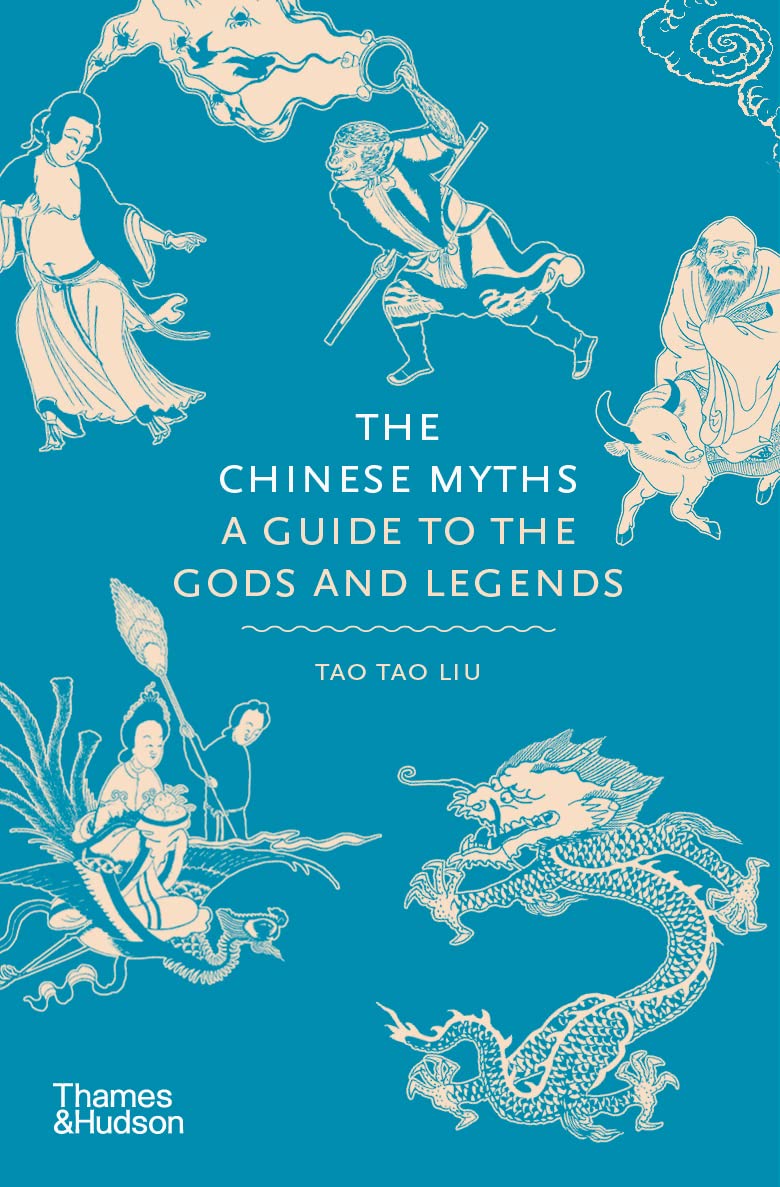
Chinese mythology serves as a profound repository of narratives that not only delineate the cultural ethos of one of the world’s oldest continuous civilizations but also provide a fascinating lens through which to examine humanity’s universal themes of existence. The realm of Chinese myths and legends is replete with tales of dragons, gods, and heroes, each intricately woven into the fabric of cultural relativism, thus reflecting the historical and socio-political milieu of ancient China. The polyvalent nature of these myths invites a closer inspection into their ethereal qualities, the function they serve in society, and the underlying fascination they provoke across generations.
One of the most prominent figures in Chinese mythology is the dragon, a creature that epitomizes power, strength, and benevolence. Unlike its Western counterpart, which often symbolizes destruction and chaos, the Chinese dragon is revered as a harbinger of good fortune. This divergence in representation highlights a more holistic understanding of the natural world in Chinese culture, illustrating an intrinsic desire to harmonize with nature rather than conquer it. The veneration of the dragon in various festivals, such as the Dragon Boat Festival, reflects the cultural significance attached to agriculture and the essential role of water, a vital resource for sustaining life. This intricate relationship underscores the anthropological notion that myths evolve in tandem with societal needs and values.
Moreover, deities in Chinese mythology often embody natural elements, human ideals, or cultural virtues. The pantheon is replete with gods such as the Jade Emperor and Guan Yin, each representing differing facets of life, death, benevolence, and morality. The multifaceted nature of these deities facilitates a narrative flexibility that allows for a moral dialogue that transcends time. For example, Guan Yin embodies compassion and mercy, ideals that resonate deeply with confucian ethics and the collective consciousness of the society. The portrayal of deities reflects a cultural relativism where divine figures are not merely static icons but dynamic representatives of prevailing social values and existential queries.
Within the tapestry of these legends, we also encounter a multitude of heroes whose narratives serve as templates of virtue and idealized behavior. Figures such as the mythical archer Hou Yi, who shot down nine suns to save the earth, epitomize the valor and self-sacrifice praised in Chinese culture. These stories, rich in symbolism, resonate on multiple levels, providing not only entertainment but also moral guidance. They encapsulate the Confucian ideal of the “junzi” or gentleman, a paragon of virtue who is expected to act in the service of humanity. Such allegorical tales reflect societal aspirations towards an ethical community, highlighting the function of myth as a tool for promoting social cohesion and moral rectitude.
In examining these legends through the lens of cultural relativism, it becomes evident that what may seem fantastical to outsiders serves a vital purpose within the cultural context of Chinese society. Myths are imbued with sociocultural significance that resonates not only during traditional retellings but also in contemporary interpretations. As globalization accelerates, these traditional narratives face the challenge of reinterpretation, wherein they must retain their significance while resonating within a modern framework. This adaptability may be perceived as a testament to the enduring nature of these myths, as they continue to evolve and find relevance in the collective psyche of contemporary society.
Furthermore, the fascination with dragons, gods, and heroes can be traced to a deeper psychological engagement with existential themes such as creation, destruction, and the human condition. The archetypal narrative patterns found within these narratives mirror the intrinsic conflicts and aspirations of humanity, invoking fundamental questions about our origins and our place within the cosmos. This engagement serves as a reminder of the quest for meaning, a pursuit that transcends cultural boundaries. The universal archetypes observed in these myths affirm that, while distinctly different in form, human societies share remarkable similarities in their mythological expressions of life’s profundities.
Moreover, the confluence of art and mythology in Chinese culture also adds a distinctive layer of richness to these legends. The fluidity of myth as reflected in Chinese calligraphy, painting, and theatrical performances provides visual and auditory narratives that augment the oral traditions. The art forms associated with these myths are not merely aesthetic but are imbued with cultural significance that enhances the mythological experience, creating a multisensory engagement for the audience. In this way, the legends of dragons, gods, and heroes are not confined to mere textual interpretation; they are lived experiences that permeate various aspects of daily life, affirming a collective cultural identity.
Ultimately, Chinese myths and legends represent much more than mere stories of fantastical creatures and heroic deeds. They are a manifestation of a cultural framework that embraces morality, existential inquiry, and a deep-seated respect for nature. The multifarious dimensions of these narratives invite scholarly examination and appreciation, revealing a rich tapestry of human experience that elevates them beyond the trivialities of entertainment. The fascination they elicit stems not only from their historical roots but also from their enduring ability to provoke thought, inspire creativity, and evoke a sense of connection to a shared human heritage.