Classification is often likened to weaving an intricate tapestry, where threads of distinct colors, textures, and patterns intertwine to form a cohesive narrative. In the realm of modern science, this tapestry is composed of the myriad forms of life that populate our planet, each carefully categorized and labeled. The systematic classification of organisms, or taxonomy, serves as a crucial framework not only for scientific inquiry but also for cultural interpretation. Today’s classification groupings operate within a landscape shaped by advancements in genetics, ecology, and the principles of cultural relativism, offering an illuminating lens through which we can view both the biological and sociocultural dimensions of life.
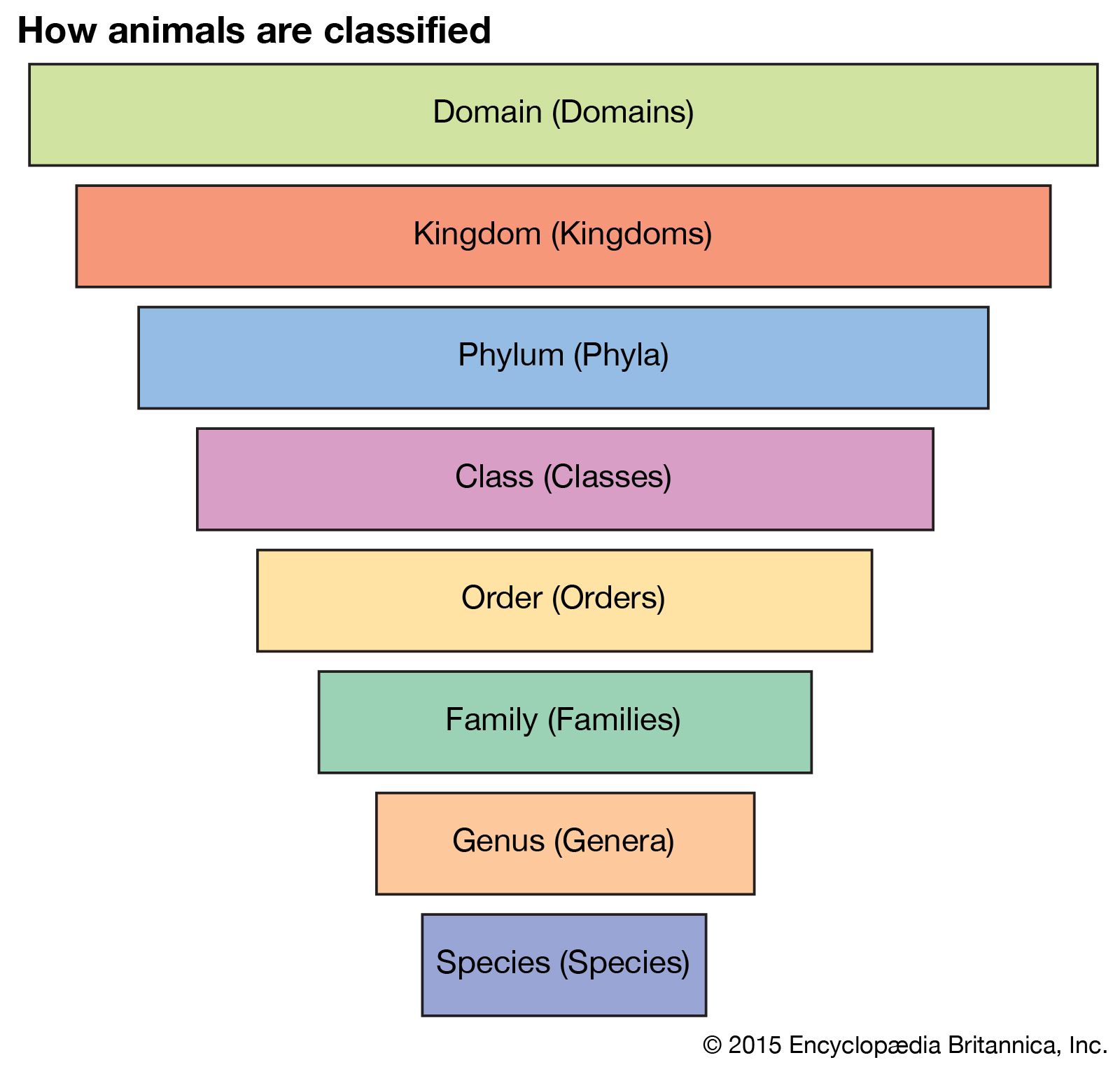
At the heart of this exploration lies the concept of cultural relativism—the idea that beliefs, values, and practices must be understood based on their cultural context rather than judged against an external standard. When applied to the classification of life, cultural relativism elucidates how different societies perceive and categorize the natural world, recognizing that these systems are not monolithic but rather fluid and diverse. For example, while Western science predominantly adheres to the Linnaean system of taxonomy—comprising domains, kingdoms, phyla, classes, orders, families, genera, and species—many Indigenous cultures employ their unique classification systems based on spiritual, ecological, and practical considerations.
In this context, the discourse on biodiversity is enhanced when we appreciate that every classification system is but a reflection of the relationship between a culture and its environment. In some instances, plants and animals are categorized not solely by morphological traits but also by their significance in traditional practices, folklore, and ecological balance. This approach to taxonomy leads to a richer understanding of life forms that transcends biological definitions, revealing the intricate interdependencies and cultural narratives that shape our interactions with the natural world.
The advent of molecular biology and genetic analysis further complicates and enriches the tapestry of classification. Genetic sequencing allows scientists to uncover phylogenetic relationships that were previously obscured. This technological advancement reveals that organisms once thought to be distinct may share a more profound genetic affinity. Interestingly, the delineation between species can sometimes become perilously thin, challenging anthropocentric views of separation and hierarchy. This newfound clarity in genetic classification beckons scientists and anthropologists alike to consider how these revelations resonate with indigenous classification systems, where the interconnectivity of life is often the focal point.
Consider the universally acknowledged adage of interconnectedness among living beings. The idea that “all life is interwoven” is not mere poetic license; it is substantiated by biological evidence and mirrored in the belief systems of many cultures. For instance, in various Indigenous traditions, the connection between humans and the environment is a fundamental premise, where every species is viewed as a relative deserving of respect. Such perspectives may challenge scientific hierarchies and spotlight the limitations of conventional taxonomy that segregates life forms into rigid categories. Through cultural relativism, a dialogue begins to emerge—one that encourages a more holistic view of biodiversity.
Moreover, the implications of these taxonomic shifts extend beyond academic discourse to practical applications in conservation efforts. Recognizing the interrelations among species prompts reevaluation of conservation strategies and policies. Conservationists, armed with the knowledge of genetic relationships and cultural insights, can foster initiatives that resonate more deeply with local communities, ensuring that efforts are culturally sensitive and ecologically sound. The dualities of science and culture thus amalgamate, yielding a conservation philosophy that is not merely about preserving species but also honoring the narratives and practices that surround them.
As classifiers of life, scientists carry the weighty responsibility of shaping public perception through education and scholarship. The narratives these scientists present, steeped in empirical evidence, have the power to revolutionize how we understand our position within the natural world. In an era where the loss of biodiversity looms large, the urgency for inclusive dialogue becomes paramount. Detailed taxonomic work coupled with advocacy for cultural appreciation can foster a sense of agency among communities, empowering them to engage in the stewardship of their environments.
The journey of classification is fraught with philosophical quandaries, as modern science grapples with defining what it means to be “alive.” Metaphorically, one could envision the advent of an evolving classification system as a living organism itself, infinitely adapting and responding to stimuli from internal and external environments. This dynamic system mirrors the very essence of life—fluid, interconnected, and resilient. The challenge, then, lies not solely in categorization but in recognizing how these categories inform cultural narratives, social structures, and ethical frameworks.
In conclusion, classification groupings today serve as more than mere scientific taxonomies; they represent a confluence of biology and culture—a dialogue revealing the profound connections shared among all forms of life. By embracing cultural relativism, we begin to unravel the complexities and nuances inherent in biological classification, fostering a collaborative approach that honors both scientific integrity and cultural significance. As the tapestry of life continues to evolve, our understanding must likewise adapt, weaving together the threads of science and culture into a rich narrative that celebrates the diversity of existence.