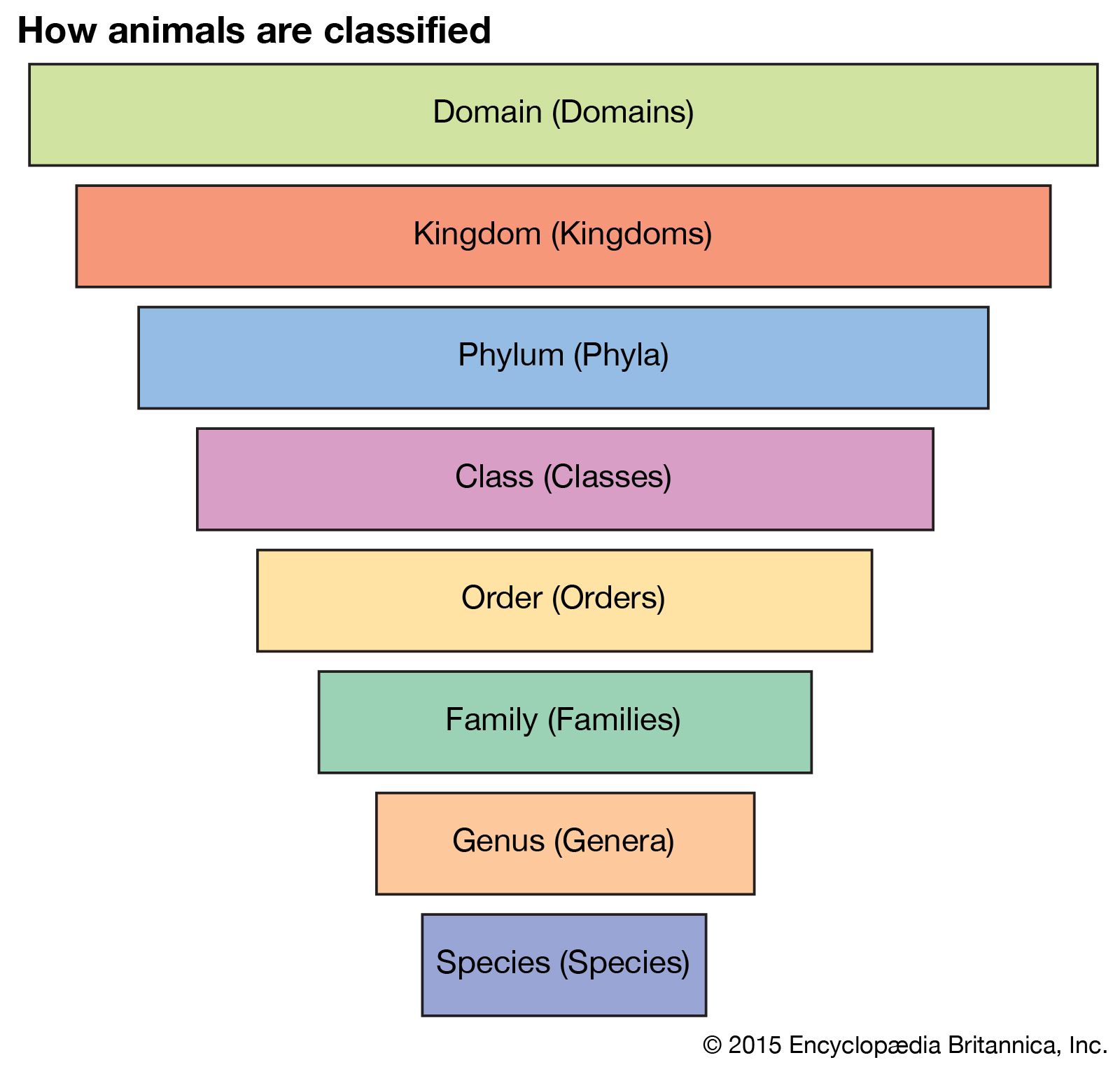
At the crux of our understanding of biological diversity lies a system of classification that has elegantly shaped the field of biology for centuries. Carl Linnaeus, an 18th-century Swedish botanist, is credited with establishing a hierarchical structure that became the foundation of taxonomy. This classification system did not merely serve functional purposes but also reflected broader cultural paradigms. Delving into Linnaeus’s taxonomy reveals profound insights into human cognition, cultural relativism, and the innate human fascination with categorization.
In essence, Linnaeus’s system operates on the premise of a hierarchical organization of living organisms into a structured framework of domains, kingdoms, classes, orders, families, genera, and species. Linnaeus introduced binomial nomenclature, assigning each organism a two-part Latin name—a genus and a species epithet—which bestowed a semblance of universality and precision. This method of naming transcended linguistic barriers and offered a standardized means of identification, reflecting mankind’s yearning for order amidst the complexity of life.
The fascination with categorization is deeply embedded in human psychology. From metaphorical systems to physical environments, humans perceive and interpret the world through frameworks that enable comprehension. Linnaeus’s taxonomy exemplifies this intrinsic cognitive inclination. It simplifies the multifaceted nature of living organisms into distinct categories, thus making the study of biological diversity more approachable. This categorization mirrors societal structures; just as societies often classify individuals based on roles, professions, or social standings, biological entities are similarly organized into a coherent system for easier comprehension.
However, one must consider the cultural backdrop into which Linnaeus introduced his classification system. The Enlightenment era, characterized by a surge in scientific inquiry and rational thought, provided fertile ground for Linnaeus’s theories to flourish. Yet, the prevailing cultural attitudes of the time also influenced his interpretations and categorizations. As a product of 18th-century Europe, Linnaeus unwittingly infused his taxonomy with Eurocentric perspectives. For instance, the classification system not only reflects biological relationships but also echoes cultural assumptions regarding nature and the ‘other.’ This raises significant questions concerning cultural relativism, as Linnaeus’s structure might not universally apply to all cultures or ecological perspectives.
The hierarchical nature of Linnaeus’s taxonomy can be viewed as a manifestation of a Western-centric worldview. This perspective often values certain species over others, positing a linear evolution among organisms that aligns closely with human societal progressions. In contrast, many indigenous cultures perceive life in a more interconnected manner, viewing species as part of a holistic ecosystem rather than a linear hierarchy. Such cultural paradigms challenge the validity of a universal classification system and highlight the necessity for cultural sensitivity in scientific discourse.
Furthermore, Linnaeus’s classifications have implications that extend beyond mere biology; they resonate within the realms of power dynamics and colonialism. During the 18th and 19th centuries, European exploration and expansion intensified. The classification system served as a tool for categorizing flora and fauna encountered in colonized territories. This classification often accompanied a sense of superiority over the ‘exotic’ lands being classified, fostering a narrative that positioned Eurocentric knowledge as the pinnacle of understanding. Consequently, natural history became intertwined with imperialism, as exploring and cataloging biological diversity were often acts of domination.
Despite these complexities, it is crucial to recognize Linnaeus’s contributions to scientific inquiry. His classifications laid the groundwork for future biologists, ecologists, and anthropologists to build upon and refine. The scaffold he erected enabled subsequent generations to explore taxonomy’s intricacies, leading to the development of cladistics and phylogenetics—fields that emphasize evolutionary relationships and genetic connections among organisms.
The evolution of Linnaeus’s system into contemporary biological classification demonstrates both its durability and its capacity for adaptation. Presently, scientific advancements allow for the integration of genetic data, which adds a layer of sophistication and nuance to the understanding of relationships among species. This progression underscores an essential aspect of cultural relativism: knowledge is dynamic and reflexive. While Linnaeus provided a foundational classification, our increasing understanding of genetics and evolutionary biology prompts a reevaluation of his methods. These developments advocate for a more inclusive approach, recognizing the validity of diverse cultural interpretations of the natural world.
In continuously navigating the intersections of taxonomy and cultural relativism, one reflects on the broader implications of classification systems. Linnaeus’s framework serves as a critical reminder that while scientific endeavor seeks objectivity, it remains inexorably intertwined with cultural narratives and societal values. The fascination with classification speaks to a primal human desire to make sense of complexity, yet it equally compels an examination of the cultural lenses through which we perceive our natural world.
Ultimately, the legacy of Carl Linnaeus transcends the boundaries of biology, inviting ongoing dialogue about the interplay of science, culture, and representation. Engaging with these discussions adds depth to our appreciation of biodiversity and underscores the importance of a culturally sensitive approach to scientific classification. Within this exploration lies a treasure trove of knowledge, awaiting curiosity and contemplation, as we endeavor to classify and understand the myriad forms of life that coalesce into our shared existence.