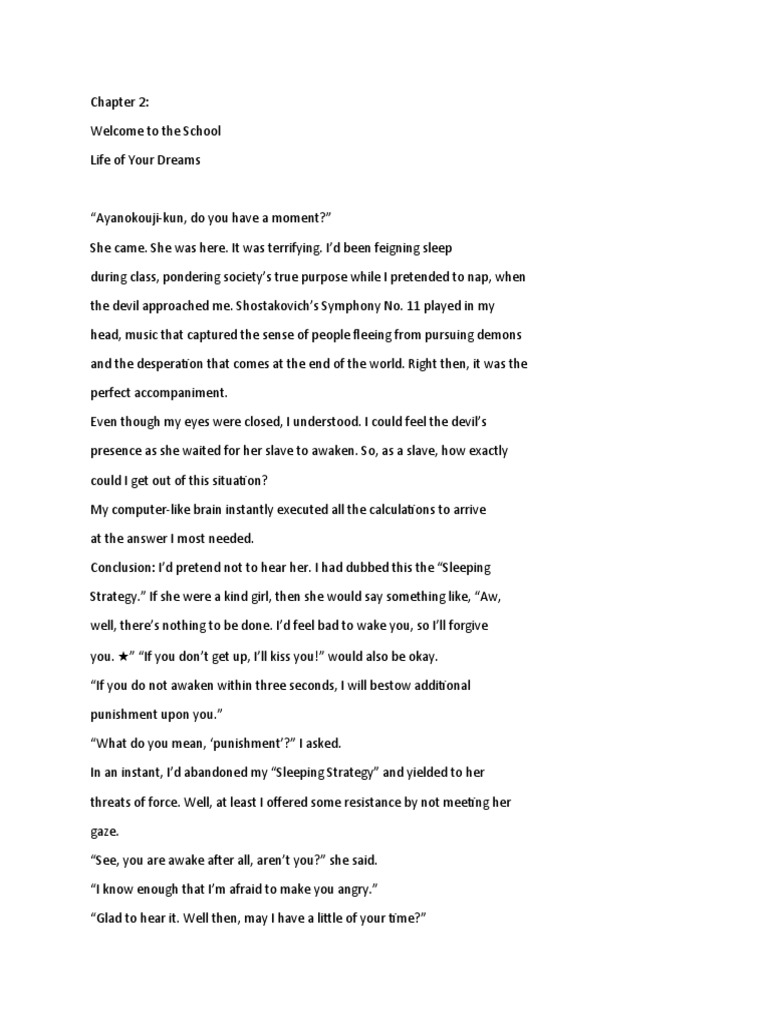
In the realm of contemporary literature, few narratives challenge conventional paradigms with the fervor and audacity exemplified by the “Classroom of the Elite” novels. This series, authored by Syougo Kinugasa, transcends traditional storytelling boundaries, emerging as a psychological thriller steeped in the microcosm of academic life. The complexity of its characters and the socio-cultural dynamics at play offer a fertile ground for analysis through the lens of cultural relativism.
At the crux of “Classroom of the Elite” lies the elite Tokyo Metropolitan Advanced Nurturing High School, an institution that epitomizes hyper-competitive educational environments. Here, the stratification is not merely based on academic prowess but extends beyond into the realms of psychological warfare and social manipulation. The narrative deftly explores how students, ensconced within meticulously curated social hierarchies, are compelled to navigate an intricate landscape replete with moral ambiguity and existential dilemmas.
This milieu represents a rich tapestry of cultural relativism, positing that ethical standards and social norms are neither absolute nor universal. Instead, these variables are profoundly influenced by context. The students in this fictional world are not merely grappling with academic pressures; they are ensnared in a relentless contest where friendships are transactional, success is bifurcated from virtue, and survival hinges on the adeptness of one’s social maneuvering. Thus, the narrative invites the reader to reconsider their own cultural paradigms regarding education, competition, and morality.
As we delve deeper into the characters, particularly the protagonist Kiyotaka Ayanokouji, a complexity unfolds that is emblematic of a post-modern existential crisis. Ayanokouji’s stoic demeanor belies a profound intelligence and an intricately woven psyche that is both fascinating and unsettling. He embodies the quintessence of cultural relativism; his actions and ethical considerations are profoundly influenced by the institutional mandates that dictate success. His struggle highlights the dissonance between individual identity and imposed societal roles, a theme that resonates universally yet manifests distinctly within the confines of the school’s cultural setting.
The narrative strategy employed in “Classroom of the Elite” also warrants examination. Kinugasa utilizes a non-linear timeline, filled with flashbacks and character introspections that allow readers to engage with the psychological shades of each character. Such multiplicity of perspective reinforces the theme of cultural relativism. Ayanokouji’s seemingly Machiavellian tendencies are viewed through a lens that constantly shifts, compelling readers to consider the broader implications of his actions against the standard of societal ethics. This perspective shifts evoke critical inquiries into the essence of morality, challenging preconceived notions of right and wrong within different cultural contexts.
Moreover, the complexities of inter-student relationships further elaborate on the varied interpretations of loyalty and betrayal. The characters engage in alliances that may seem disingenuous, raising questions about the authenticity of human connections in a competitive environment. For instance, the dynamics between Ayanokouji and his classmates illustrate the intricate balance of cooperative strategies versus individualistic motivations. Cultural relativism posits that these relationships cannot be dissected through a singular ethical framework; instead, they are informed by the inherent norms of collaboration dictated by the school’s hyper-competitive setting. This narrative layer compels readers to scrutinize their cultural understanding of teamwork and mutual dependence.
In parallel, the series addresses broader societal constructs concerning meritocracy and elitism. The institution functions as an allegory for societal stratification, where the elites dictate the rules, and the underprivileged must navigate an oppressive terrain of social challenges. The psychological thriller aspect heightens this tension, with plot twists that underscore the lengths individuals will pursue to retain their status or ascend the hierarchy. Such intrigues serve as a microcosm of societal conflict, affording insights into the cultural, psychological, and ethical dimensions of human interaction.
Noteworthy is how the series orchestrates an intricate dance between the intellect and emotional acuity of its characters. The prominence of strategic thinking, particularly in Ayanokouji, demonstrates a calculated approach to interpersonal relations that reflects broader societal valuations of intelligence and manipulation. This thematic exploration urges readers to question how cultural frameworks shape definitions of success. What competencies are lauded? In what environments are they cultivated? The narrative challenges entrenched beliefs, presenting a shift in perspective that resonates with the reader’s curiosity regarding societal constructs.
The psychological depth of the characters invites a broader reflection on human behavior, motivations, and ethical boundaries. It serves as a mirror to the reader’s own cultural predilections and the constructed nature of morality. In this way, “Classroom of the Elite” not only engages with the tropes of a psychological thriller but delves into the cultural multi-dimensionality of ethical constructs, fostering a dialogue on relativism.
In conclusion, the “Classroom of the Elite” series offers a profound exploration of the complexities inherent in academic rivalry and social interactions through the lens of cultural relativism. By weaving intricate character studies, multifaceted plotlines, and existential inquiries, the narrative promises a contemplative shift in perspective for its audience. It illuminates the paradoxes of success and morality, compelling readers to reflect on their cultural biases and the ethical landscape that governs human interactions. Ultimately, this engagement fosters a richer understanding of the psychological nuances prevalent not only within the confines of the fictional world but also in our own realities.