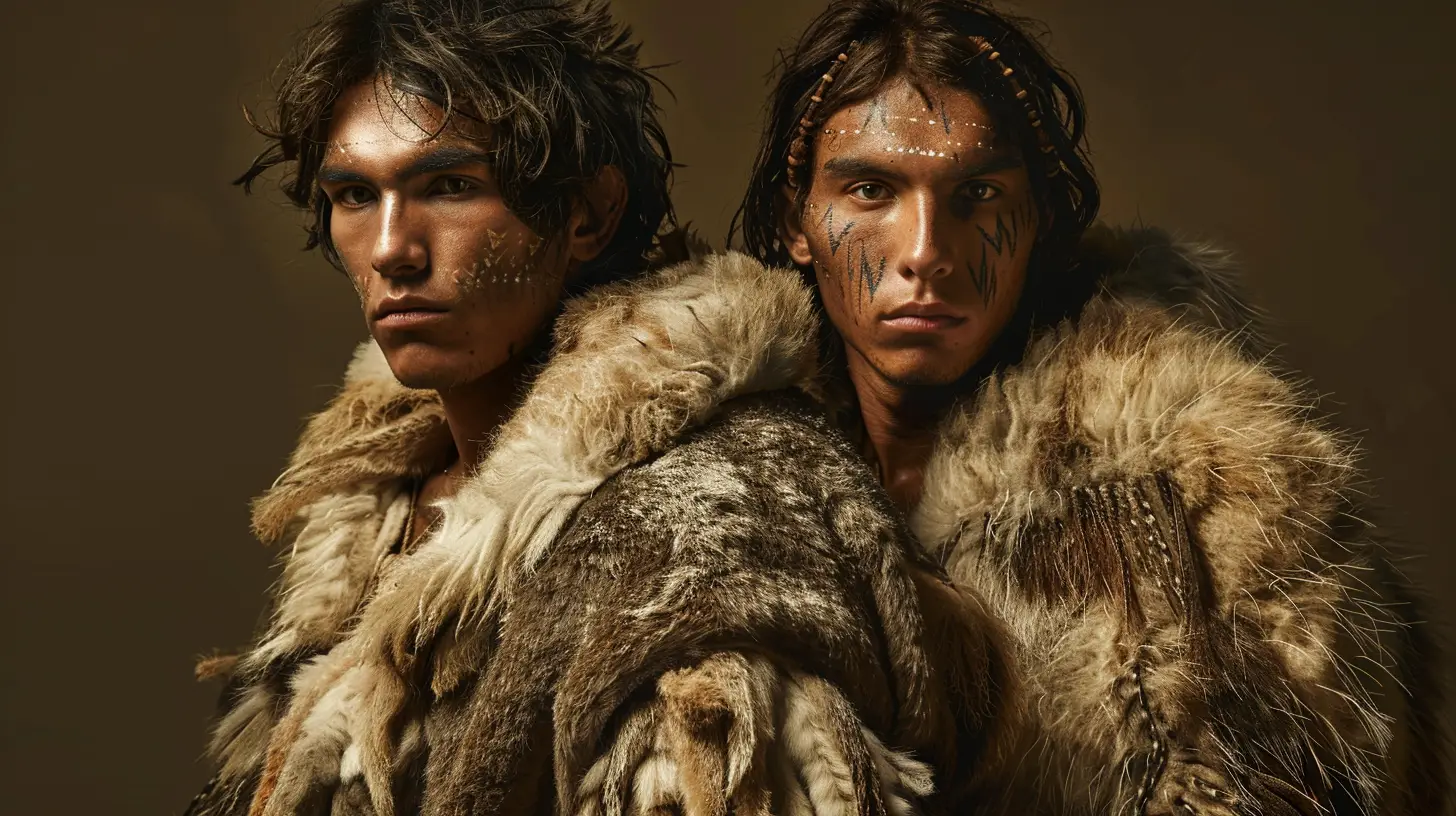
The Stone Age, a period marked by the advent of human culture, is often romanticized through its crude aesthetics and rugged lifestyles. Nonetheless, the clothing of this era transcended mere utility; it formed a pivotal aspect of identity and social structure among early human societies. Viewed through the lens of cultural relativism, the garments fashioned during the Stone Age reflect a myriad of environmental adaptations, symbolic meanings, and emerging gender roles—factors that shaped the narrative of humanity’s evolution. This examination will delve into the multifaceted dimensions of Stone Age clothing, elucidating its significance across various domains.
Firstly, the materials utilized for clothing in the Stone Age provide a fascinating insight into human ingenuity and resourcefulness. Early humans commonly utilized animal hides, fur, and plant fibers to create garments that offered protection against the harsh climates of their habitats. These materials were not merely practical; they served as a canvas for artistic expression. The practice of adorning clothing with pigments from natural resources or decorative elements such as beads and shells evidenced an intrinsic desire for aesthetic appeal. This adornment can be perceived as an early form of cultural expression, revealing the values and priorities of disparate groups.
The environmental context was paramount in determining the types of clothing worn by various Stone Age communities. For instance, those who inhabited frigid regions crafted thick garments from the pelts of large mammals such as woolly mammoths and bison, providing essential warmth against the elements. Alternatively, communities in temperate climates fashioned lighter clothing derived from the fibers of reeds and grasses. This adaptive response to environmental stimuli illustrates the interconnectedness between culture and habitat, emphasizing that clothing is not merely a reflection of individual creativity but also a necessity dictated by geographical realities.
Furthermore, the social dimensions of Stone Age clothing signify the emergence of early stratification within societies. The processes of hunting, gathering, and crafting were often delineated along gender lines. Typically, men were responsible for hunting and providing skins, while women engaged in the creation of clothing, which often included sewing and ornamentation. The division of labor and the associated clothing styles can be seen as reflective of burgeoning gender roles. Women’s clothing often served dual purposes—offering warmth while also signifying their social standings within the group through decorative embellishments. Consequently, clothing became an emblem of status, aligning with the emergent hierarchies in Stone Age communities.
In addition to status indicators, clothing within the Stone Age served as a medium for communication amongst groups. The distinct styles of dress, particular motifs, and colors could convey information about tribal affiliation, marital status, and even rank. The nuances of design and craftsmanship evolved into a lexicon of sorts, allowing individuals to navigate their social worlds with greater ease. This phenomenon finds resonance in contemporary cultures, where fashion continues to serve as a critical vehicle for identity and social cohesion.
The ritualistic aspect of clothing cannot be understated, as certain garments took on symbolic meanings that were crucial within spiritual and communal contexts. Ceremonial attire, often elaborately designed, played a significant role in rites of passage, fertility rituals, and other communal gatherings. The notion of clothing as a conduit for the sacred is supported by archaeological findings revealing richly decorated garments likely used in rituals. In this way, clothing transcended mere physical protection and functionality, entering the realm of the spiritual and the metaphysical, laying the groundwork for future civilizations’ relationships with costume and attire.
Steel threads of thought show that the evolution of clothing during the Stone Age underscored human adaptability and creativity. This evolution did not arise in a vacuum; it was interwoven with the broader tapestry of environmental challenges and social dynamics. Each necessity drove innovation, ultimately leading to advancements that defined subsequent cultural epochs. The adaptability of human beings in creating clothing from whatever resources were readily available demonstrates an innate instinct for survival and creativity, aspects that remain fundamental to the human experience.
In retrospect, the clothing of the Stone Age is not merely a chapter in the annals of human history; it serves as a testament to the resilience and adaptability of our species. This exploration into primitive clothing practices offers valuable insights into the complexities of early cultures, highlighting how intertwined attire is with social constructs, environmental challenges, and individual expression. An academic interpretation emphasizes not only the functional aspects of these garments but also their impact on relationship dynamics, cultural identity, and ritualistic practices.
In conclusion, an examination of Stone Age clothing through a cultural relativism perspective unveils a rich tapestry intricately woven with the threads of survival, identity, symbolism, and societal organization. By appreciating the historical significance of these primitive garments, we can gain a deeper understanding of the cultural forces that have shaped humanity over millennia. The clothing of the Stone Age stands, therefore, as more than just primitive threads; it represents the foundational steps in the intricate dance of human culture, forging connections that resonate into the present day.