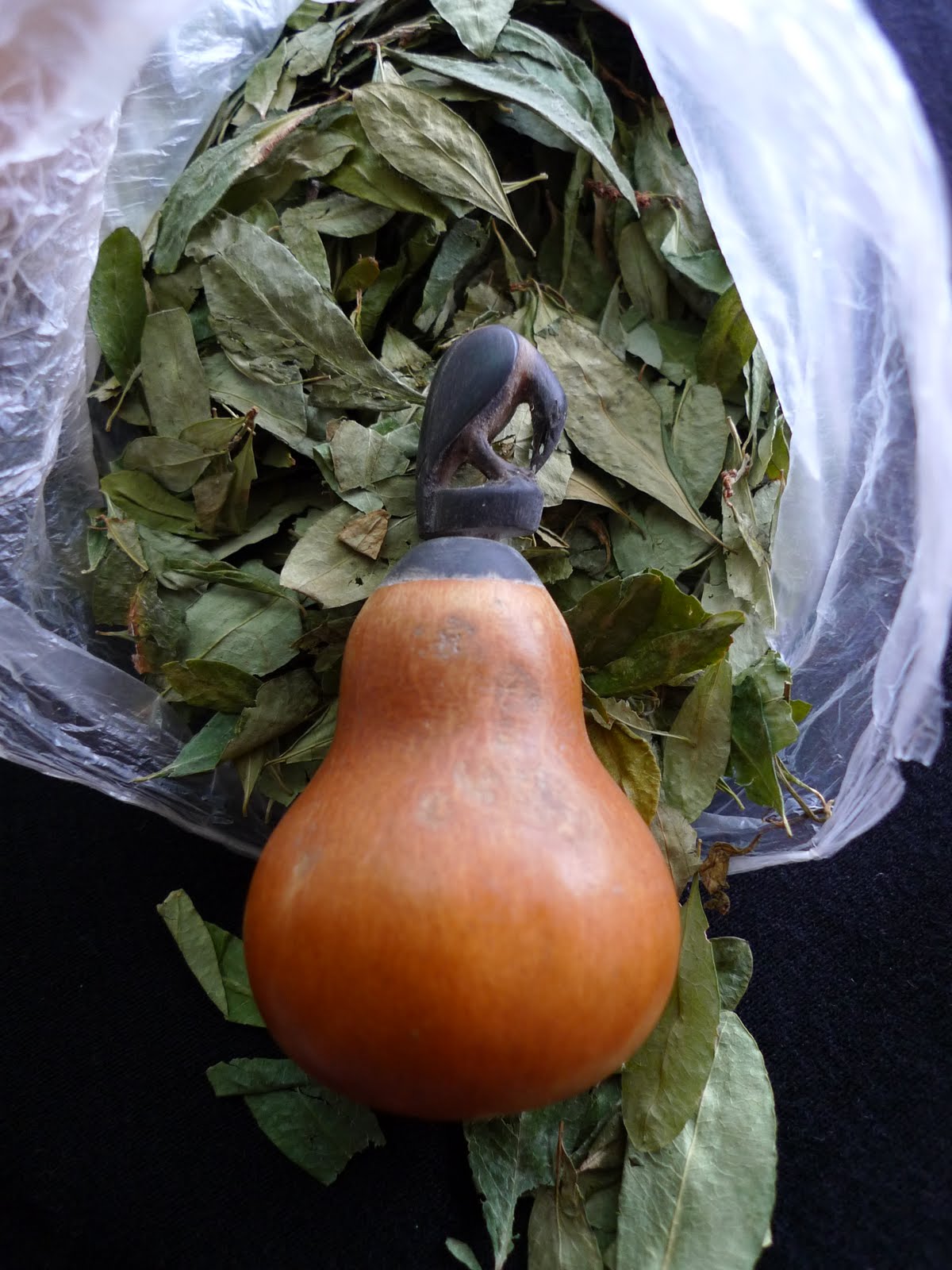
The legal status of coca leaves in the United States has long been a contentious issue, deeply interwoven with historical narratives, cultural perceptions, and prevailing legal frameworks. As a plant revered in various indigenous cultures for its medicinal and ritualistic properties, the coca leaf has often found itself at the intersection of myth, law, and the burgeoning field of cultural relativism. Understanding the coca leaf’s journey—from a sacred natural product to a symbol of illicit activity in modern society—requires an exploration of its cultural significance, the socio-legal landscape, and the overarching implications of global drug policies.
At the outset, it is vital to disentangle the myths that often overshadow the coca leaf’s intrinsic value. Many in the United States associate the coca leaf almost exclusively with cocaine, a major misconception stemming from historical narratives and media portrayals. The coca leaf itself contains a relatively low concentration of alkaloids; it is a staple for communities in the Andean region, where it has been utilized for thousands of years for its energizing properties and its role in traditional medicine. Contextualizing coca within its indigenous cultural framework reveals a critical nuance: the leaf is not merely a precursor to a highly controlled substance but a revered element interwoven with social practices, customary rituals, and economic stability.
Legally, the status of coca leaves in the United States can be traced back to the early 20th century, marked by the passage of the Harrison Narcotics Tax Act of 1914. This legislation positioned coca—alongside opium and its derivatives—as a substance of concern. The demonization of coca leaves was exacerbated by heightened anti-drug rhetoric and geopolitical considerations during the latter part of the 20th century. This legal stance, often enforced with dilatory zeal, overlooks the ethnobotanical significance of coca. Furthermore, the dichotomy in legal treatment of coca versus other plants with psychoactive properties raises critical questions regarding cultural biases embedded within drug policy frameworks.
Examining the international landscape, coca’s classification as a controlled substance under the United Nations Single Convention on Narcotic Drugs of 1961 enters the conversation. Yet, many countries, particularly in South America, maintain a more permissive stance towards coca cultivation for local use. Cultural relativism provides a lens through which to analyze these differences; when cultures utilize substances within their traditional contexts, policies in countries like Bolivia and Peru contrast starkly with Western discourses that prioritize prohibition over understanding. It encapsulates the broader issue of how global frameworks often impose uniformity on diverse cultural practices and traditions.
The fascination surrounding coca leaves in the United States extends beyond mere legal implications. It mirrors a broader societal curiosity about the otherness associated with indigenous practices. The fetishization of coca reflects a paradoxical relationship where the Western gaze oscillates between romanticization and demonization. As communities in the Andes celebrate coca as a symbol of resilience and identity, the plant simultaneously serves as a focal point for debates on drug policy, colonialism, and economic disparity. This duality drives engagement with coca leaves, prompting questions about empowerment versus exploitation.
In the U.S., the legitimate application of coca leaves lags significantly behind its empirical findings on health benefits. Scientific research has documented several therapeutic uses of coca, including its efficacy in managing altitude sickness and alleviating symptoms of fatigue. However, skepticism surrounding coca’s legal status hampers its potential utility; innovation in this domain remains stifled by prevailing narratives. As the movement for the legalization of cannabis gains traction, advocates for coca may find parallels in this struggle. The growing recognition of the need for harm reduction, integrated health approaches, and the decriminalization of non-violent drug offenses can serve as a potential ally in the push for more nuanced perspectives on coca leaf usage.
The intersections of coca, culture, and law also evoke larger conversations about privilege in discourse surrounding drug use and addiction. Marginalized communities have often borne the brunt of law enforcement efforts against drug proliferation. Yet, substances like tobacco and alcohol continue to be normalized within mainstream society despite their well-documented health risks. This inconsistency highlights broader issues of systemic racism, economic inequities, and social stigmas attached to certain communities. An analysis framed through cultural relativism challenges rigid standards that demonize specific practices while allowing others to thrive untouched.
In summary, the legal status of coca leaves in the United States encapsulates a complex interplay of mythology, law, and cultural significances. As we dissect this intricate fabric, we uncover the broader implications of cultural relativism that inform our understanding of drug policy and global narcotics discourse. The coca leaf remains a potent symbol—a reminder of the need to bridge cultural divides and ensure equitable treatment in legal frameworks. Acknowledging the cultural significance of coca offers an opportunity to reevaluate established drug laws and challenge prevailing myths. Ultimately, it calls for a rethinking of policy rooted in respect for human traditions, engagement with indigenous voices, and recognition of the multifaceted narratives surrounding this remarkable plant.