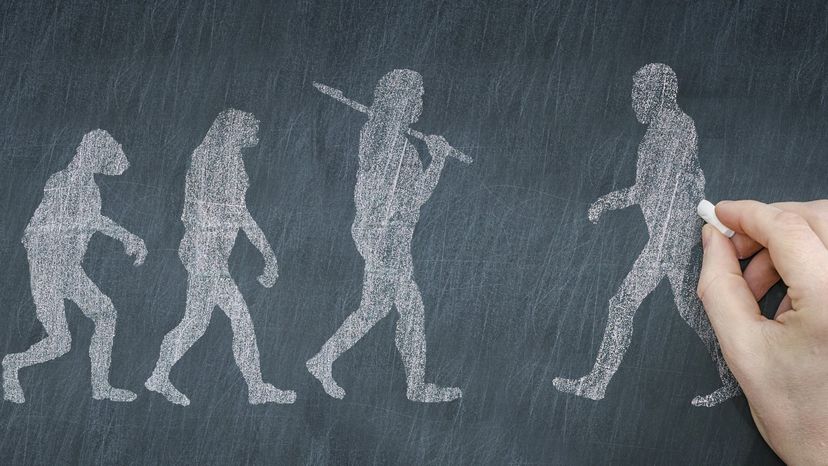
The notion of resurrecting Neanderthals, our evolutionary cousins who roamed the Earth until approximately 40,000 years ago, beckons a multitude of scientific, ethical, and cultural inquiries. This idea, often tantalizingly framed by the advancements in genetic engineering, particularly CRISPR technology, stimulates both fervent debate and profound speculation. Why does the prospect of reviving Neanderthals invoke such fascination? Moreover, what ethical dilemmas emerge when stepping into the domain of de-extinction? This exploration delves into the intricate web of science, ethics, and cultural relativism surrounding the potential resurrection of Neanderthals.
The scientific basis for potentially reviving Neanderthals is grounded in the advancements of genetic science. Researchers have successfully extracted DNA from Neanderthal fossils, allowing for genetic sequencing that reveals insights into their biology, behavior, and even their interactions with early Homo sapiens. Gene editing technologies, especially CRISPR-Cas9, open doors to altering existing human genomes to integrate Neanderthal DNA, thereby raising the question: is it scientifically feasible to ‘bring back’ a Neanderthal? While some scientists remain optimistic, the complexities of such an endeavor cannot be overstated. The ethical dimensions of playing God lead us to reflect on the broader implications of manipulating life itself.
From an ethical standpoint, the resurrection of a hominin species presents formidable challenges. First and foremost resides the question of identity and autonomy. If Neanderthals were to be successfully brought back, would they be considered humans or another species entirely? Contemporary ethical discourse suggests that our moral obligations extend to sentient beings, which raises crucial considerations regarding consent and personhood. Would it be ethical to resurrect Neanderthals if they are subject to a life of captivity and experimentation? This perspective necessitates a dialogue within the realm of biocentrism—the ethical viewpoint that gives intrinsic value to all living beings.
Moreover, the implications of resurrection extend beyond individual ethics, probing the societal consequences of reintroducing a Neanderthal population. The potential for cross-species interaction adds layers of complexity to our existing social hierarchies and cultural structures. For instance, how would a revived Neanderthal integrate into contemporary human society? Would they be viewed as merely an experiment, a curiosity in a zoo-like environment, or would they possess rights akin to those of humans? This raises further ethical questions about systemic inequalities and cultural relativism, which suggest that moral frameworks are not universally applicable but rather contingent upon cultural contexts.
Within this discussion of cultural relativism, we must examine the historical context of Neanderthals. Often portrayed as brutish and primitive, popular media has shaped a skewed understanding of their cognitive and social capabilities. New archaeological evidence suggests that Neanderthals were not solely survivors of their environment but were capable of sophisticated behaviors, including tool-making, symbolic representation, and possibly even burial rituals. A revival rooted in these misconceptions could perpetuate biases, leading to further exploitation or dehumanization. Thus, the portrayal of Neanderthals in scientific and popular narratives warrants scrutiny, emphasizing the need for a more nuanced appreciation of their reality.
Additionally, the fascination with bringing Neanderthals back is inherently intertwined with human curiosity about our origins and evolutionary paths. The allure of uncovering the ‘missing link’ between our species and our closest relatives taps into existential questions about what it means to be human. In a world grappling with climate change, habitat destruction, and species extinction, the desire to regenerate species encountered by humans taps into deeper fears about our own mortality and the fate of the planet. To revive Neanderthals is to confront the ghosts of our past, unveiling them from the shadows not just of evolutionary history, but of our moral consciousness regarding life itself.
The cultural implications extend further, as the prospect of creating a Neanderthal challenges humanity’s anthropocentric worldview. By intertwining genetic engineering with philosophy, we confront what distinguishes humans from other hominins. The pursuit of bringing back Neanderthals might reflect our inherent desire for control over nature, resulting in philosophical dilemmas that question the essence of life and existence. In the context of ecological ethics, it raises the question of whether we should alter nature at all, especially when there are species that currently face extinction due to human actions.
Furthermore, as we entertain the logistics of bringing back Neanderthals, practical challenges become apparent. Resource allocation, funding, and public opinion shape the reality of such projects, with broader implications for conservation efforts and genetic research. Critics argue that the focus on resurrecting Neanderthals may divert attention and funds from pressing ecological crises impacting existing species and ecosystems around the world.
Ultimately, the questions surrounding the revival of Neanderthals are manifold and multifaceted, encompassing scientific possibility, ethical reasoning, and cultural implications. The intersection of these domains reveals not just the limits of our scientific agency but also the philosophical commitments we hold regarding our relationship with all forms of life. As we continue to navigate the uncharted waters of genetic engineering and de-extinction, it is paramount to engage in deep, reflective discourse that prioritizes ethical integrity and cultural sensitivity. The prospect of bringing back Neanderthals serves as a mirror, reflecting the complexities and contradictions of our humanity, inviting us to ponder not only what it means to revive the past but what we ought to learn from it as we move towards an uncertain future.