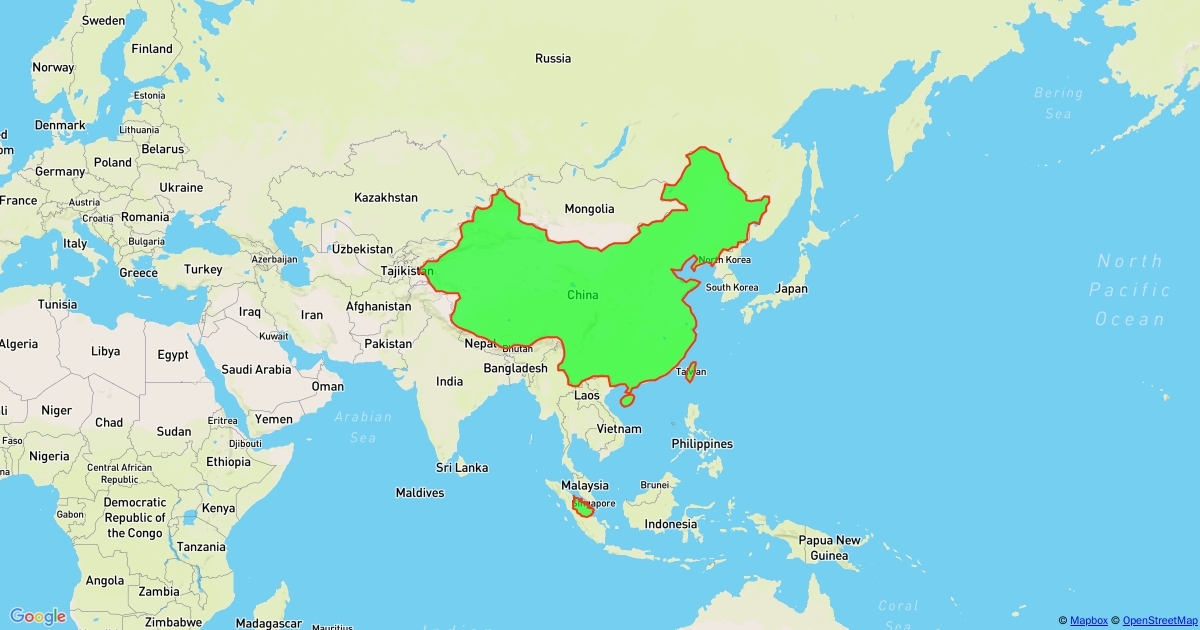
Mandarin Chinese, as one of the most widely spoken languages in the world, extends far beyond the borders of the People’s Republic of China, emerging as an influential linguistic presence in various corners of the globe. This phenomenon is not merely a byproduct of geographic proximity; rather, it reflects deeper socio-cultural dynamics and the intricate web of globalization. Understanding the countries where Mandarin is spoken provides a fascinating lens through which we can explore cultural relativism and the multifaceted impacts of a global language.
The significance of Mandarin can be observed in several nations, each engaging with the language in unique ways that resonate with their socio-economic contexts. At the heart of this discussion lies the People’s Republic of China, where Mandarin is the official language and serves as a fundamental pillar of national identity. However, it is imperative to recognize that Mandarin’s global reach extends far beyond its epicenter.
Mandarin has established a notable foothold in neighboring countries such as Taiwan and Singapore. In Taiwan, Mandarin serves as a medium of instruction in schools, fostering a cultural landscape that melds indigenous traditions with Chinese influences. The linguistic heritage here is entwined with a distinct Taiwanese identity, showcasing how Mandarin can serve as both a unifying force and a vehicle of local expression. In Singapore, the government promotes Mandarin through a bilingual education policy, which reflects a pragmatic approach to fostering national cohesion in a multicultural society. These examples exemplify how Mandarin adapts to local contexts, illustrating the concept of cultural relativism where language acts as a conduit for expressing communal identities.
In addition to the regions in East Asia, the spread of Mandarin to the Western Hemisphere has profound implications. The United States, for instance, has witnessed a burgeoning interest in learning Mandarin over the past few decades. Educational institutions have responded to this demand, implementing comprehensive programs aimed at introducing students to the complexities of Chinese language and culture. This interest is not merely academic; it is fueled by an understanding of China’s growing economic clout and geopolitical influence. In cities with large Chinese diasporas, such as San Francisco and New York, Mandarin functions as a vital link within communities, transcending monolingual boundaries and fostering intercultural dialogues.
Meanwhile, the presence of Mandarin in Africa is often overlooked yet merits considerable attention. Countries like South Africa and Zambia have begun incorporating Mandarin into their educational systems, spurred by the influx of Chinese investment and infrastructure projects. In this context, Mandarin becomes intertwined with local languages, creating a linguistic tapestry that reflects socio-economic transformations. The rise of Mandarin in these regions complicates the traditional narratives surrounding colonial languages, marking a shift where a non-Western language assumes a significant role in shaping contemporary identities.
Furthermore, Oceania, particularly Australia and New Zealand, has become a fertile ground for Mandarin speakers. With the increasing migration of Chinese citizens and students, the cultural landscape of these nations has evolved. In educational domains, Mandarin classes are increasingly popular, as more individuals seek to engage with one of the world’s fastest-growing economies. This adoption of Mandarin can be perceived as emblematic of a broader trend, wherein language serves to facilitate understanding in an increasingly interconnected world.
While examining these varied contexts, it is essential to unravel the nuances of cultural relativism that accompany the proliferation of Mandarin. Language is more than a mere communication tool; it encapsulates the values, beliefs, and traditions of its speakers. As Mandarin proliferates, it inevitably intertwines with local cultures. The infusion of Mandarin into diverse linguistic settings leads to a phenomenon known as language contact, whereby elements from one language influence another. This interaction may yield unique dialects or hybrid forms, enriching the linguistic arsenal of communities and fostering a greater appreciation for multiculturalism.
However, this integration is not devoid of challenges. The dominance of Mandarin may overshadow indigenous languages, posing a risk to linguistic diversity and cultural heritage. In some cases, local languages may be marginalized, neglected in favor of Mandarin, which is perceived as a language of opportunity. Thus, the expansion of Mandarin necessitates a careful examination of its implications on local identities, urging us to contemplate whether the spread of a global language can coexist harmoniously with the preservation of cultural distinctiveness.
Moreover, the political ramifications of Mandarin’s global outreach cannot be underestimated. The Chinese government has actively promoted the language as part of its soft power strategy, utilizing language as a means to enhance its cultural influence abroad. Through initiatives such as Confucius Institutes, the Chinese state aims to disseminate its cultural values, thereby shaping international perceptions. This presents an intriguing paradox where language serves as both a tool of connection and a potential vehicle for cultural imperialism. In navigating this complex landscape, cultural relativism challenges us to consider the perspectives of both Mandarin speakers and the communities that encounter it.
The global reach of Mandarin Chinese intrigues anthropologists and linguists alike, as it encapsulates the convergence of culture, economics, and identity. The linguistic transition that accompanies the spread of Mandarin serves not only as a testament to globalization but also as a prompt for reevaluating power dynamics in linguistic interactions. As communities across the globe embrace Mandarin, they contribute to the intricate mosaic of linguistic diversity while simultaneously grappling with the implications of such dynamics. Exploring this subject through the lens of cultural relativism permits a deeper awareness of how language shapes our understanding of each other in an increasingly interconnected world.