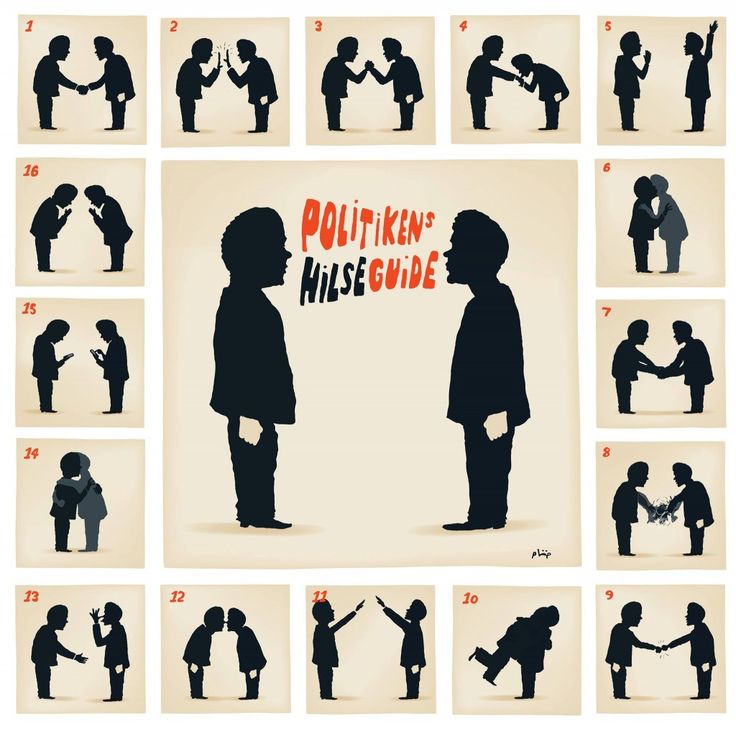
In an increasingly interconnected world, cultural expressions of greeting have evolved to encompass a plethora of gestures, each imbued with social significance and emotional resonance. One such ubiquitous yet fascinating practice is the act of kissing on the lips as a form of greeting. While it may provoke a varied response across different cultures, this gesture has historical roots and sociocultural implications that merit a closer examination. A thorough exploration of cultures that adopt this practice offers insight into the complexities of human interaction and challenges ethnocentric interpretations of affection.
The phenomenon of kissing as a salutation is often viewed through the lens of cultural relativism—a framework that advocates understanding behaviors and norms within their specific cultural context. Kissing, particularly on the lips, can be perceived as an intimate act, a symbol of love, or a casual greeting, depending on the geographic and social landscape. In some contexts, the act of kissing conveys deep affection or signifying familial bonds, while in others, it may transcend into a greeting ritual meant to fortify social networks.
In the Mediterranean basin, for instance, countries such as France and Italy have embraced the notion of kissing as a normative form of salutation. In France, the “la bise” is a socially sanctioned act often performed among friends and family, varying in frequency depending on regional customs—two kisses in Paris, three in some parts of the south. This culturally accepted behavior fosters not only intimacy but reinforces community ties. Similarly, in Italy, the “bacio” can indicate warmth and spontaneity, whereby familial interactions often incorporate a kiss upon greeting, reinforcing synergies among relatives. This illustrates how kissing on the lips transcends mere physical touch, entwining itself within the broader narrative of community cohesion.
In stark contrast, certain cultures approach the notion of kissing with trepidation or outright disapproval. For example, in the predominantly Muslim societies of the Middle East, public displays of affection—including kissing—are often frowned upon. Here, greeting rituals like handshakes and different forms of non-contact often prevail. The divergence in interpretation highlights the necessity of contextual understanding in deciphering the socio-cultural functions embedded in gestures of greeting.
Delving deeper into this cultural tapestry, specific indigenous groups encapsulate their own unique practices. The Inuit people incorporate the “kunik”—a form of greeting that involves pressing one’s nose against another’s face, a demonstration of affection distinct from mouth-to-mouth contact. This introduces an alternative framework for considering intimacy and familial ties, all while emphasizing mutual respect and understanding rather than focusing solely on the lips.
Furthermore, the intersection of cultural practices with local definitions of masculinity and femininity raises other intriguing questions. In some cultures, kissing among men is a routine form of greeting. For instance, in parts of Eastern Europe, male friends may greet one another with a kiss on the lips, emblematic of camaraderie and brotherhood. Conversely, similar actions in Western contexts may elicit discomfort or even scandal. This disparity reveals how societal norms play a fundamental role in shaping the formalities of greeting and interaction. As cultural sensibilities shift, understanding these gestures becomes paramount to fostering mutual respect and empathy among diverse populations.
Conversely, the impulse for amalgamation within a globalized society could give rise to hybrid greetings—where native practices are infused with external influences, creating fresh interpretations of traditional customs. The act of kissing on the lips as a greeting could evolve, particularly in urban centers where multiculturalism flourishes. This adaptation underlines the dynamic nature of culture as it responds to external factors such as migration, technology, and globalization, inviting curiosity about how these shifts manifest in everyday interactions.
The economic implications of kissing as a greeting have also surfaced in contemporary discourse. In business contexts, particularly among companies with international scope, the subtle nuances of greeting encapsulate a potential area of misunderstanding among professionals. Misinterpretations of intentions, compounded by cultural differences, can hinder negotiations and relationship-building. Here, education around the etiquette of kissing—where it is appropriate and where it is not—is essential for fostering a conducive environment for commerce and collaboration.
In dissecting the nuances of cultures that embrace kissing on the lips as a form of greeting, one inevitably grapples with the importance of context, tradition, and respect for diversity. This gesture serves not merely as a trivial social formality but as a significant facet of cultural identity, connecting individuals across centuries and civilizations. Such understanding evokes a promise of curiosity about the intricate web of human relationships, encouraging individuals to engage openly with alternative practices and perspectives—to revel in the rich tapestry of human expression.
Ultimately, the act of kissing on the lips deserves recognition beyond the superficial. As society strives to acknowledge various modalities of expression, it reinforces the notion that cultural discrepancies are not mere points of contention but opportunities for enlightenment and growth. As we venture into discussions surrounding intimacy, affection, and the multi-faceted expressions of human connection, we are reminded of the paramount importance of viewing these gestures through a diverse and relativistic lens, inviting profound understanding in our global society.